Author: Alex

  • Best Affordable Track Day Cars Under £30,000 for UK Enthusiasts

    Best Affordable Track Day Cars Under £30,000 for UK Enthusiasts

    The hunt for affordable track day cars that genuinely deliver on circuit has never been more competitive. With manufacturers pushing driver-focused performance further down the price ladder and a thriving second-hand market for proven heroes, you can now get serious lap times for well under £30,000. Whether you are a seasoned trackday regular or a boy racer ready to make the jump from street to circuit, the options in 2026 are genuinely exciting.

    The key is knowing which cars offer real performance headroom, manageable running costs, and insurance premiums that won’t swallow your entire trackday budget before you’ve turned a wheel. We’ve broken down the models worth your money, the specs that matter, and the considerations that separate a smart buy from an expensive mistake.

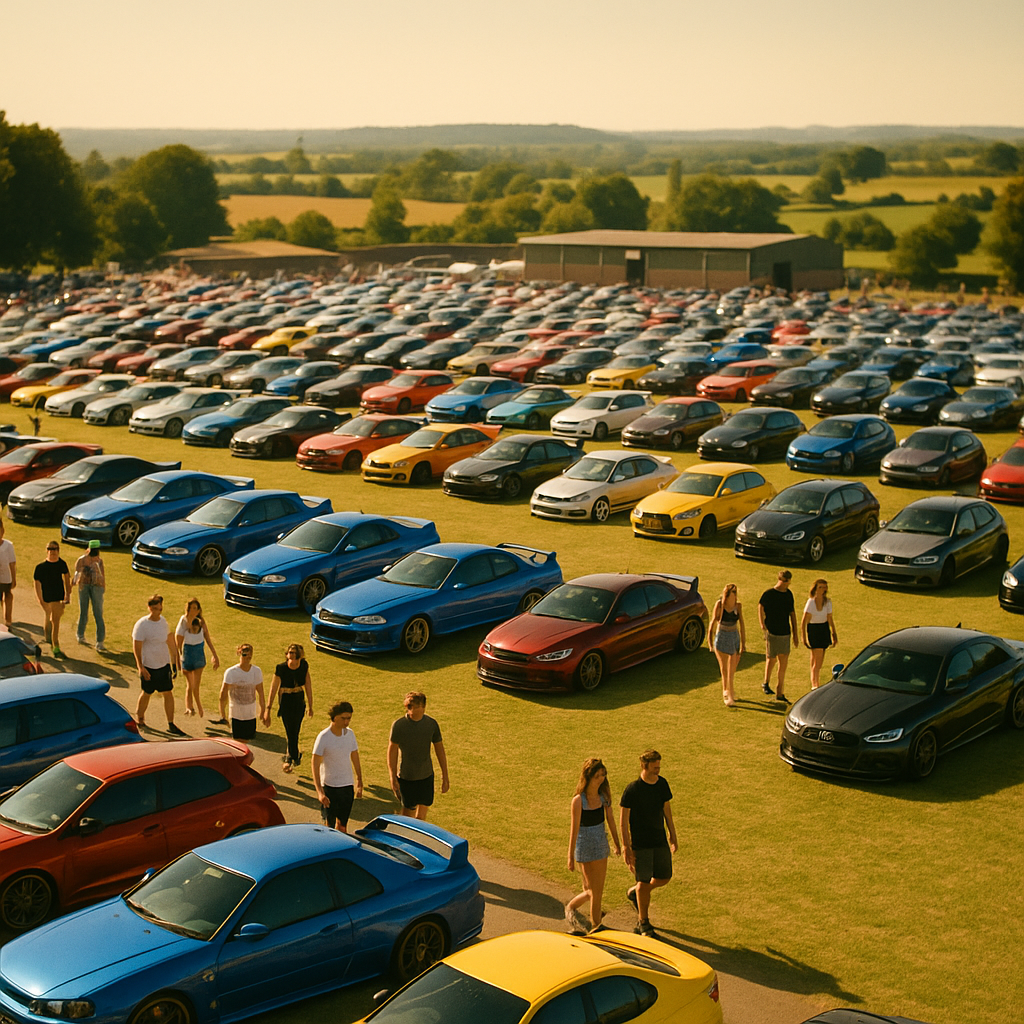
    Affordable track day cars lined up in a UK circuit paddock at golden hour
    Affordable track day cars lined up in a UK circuit paddock at golden hour

    What Makes a Good Affordable Track Day Car?

    Not every fast road car translates to a capable track machine. The best affordable track day cars share a few core traits: a strong power-to-weight ratio, a sorted suspension platform, accessible parts availability, and enough aftermarket support to grow with your skills. Reliability under sustained heat is just as important as outright speed. A car that cooks its brakes on lap three or overheats in a warm paddock is a liability, not an asset.

    Front-wheel-drive hot hatches tend to dominate the sub-£15,000 bracket for good reason. They are forgiving to learn on, cheap to insure, and genuinely quick in the right hands. Step up toward £20,000 to £30,000 and the rear-wheel-drive and all-wheel-drive options become far more tempting, offering greater balance and the kind of adjustability that separates track enthusiasts from track addicts.

    Top Affordable Track Day Cars Under £30,000 Right Now

    Renault Megane RS Trophy

    The Megane RS Trophy remains one of the most complete front-wheel-drive track tools you can buy used for under £20,000. The 300hp turbocharged four-cylinder, four-wheel steering, and Brembo brake package come together to produce a car that feels genuinely engineered for circuit use rather than just badged up for the brochure. Tyres are the main ongoing expense; the Trophy rewards sticky rubber, and budget compounds will blunt its edge considerably.

    Toyota GR86

    Priced just under the £30,000 ceiling new and available used for considerably less, the GR86 has become a staple of UK club motorsport. Its naturally aspirated 2.4-litre flat-four produces 234hp, which sounds modest until you factor in the near-perfect 50:50 weight distribution and a kerb weight under 1,280kg. It rewards precision rather than brute force, making it one of the best teaching tools on track. The aftermarket support is phenomenal, too. For those interested in pushing the platform further, there is growing overlap with the off-road modding community; the same engineering philosophy behind a well-sorted Toyota 4×4 Chassis Upgrades project speaks to the same obsessive attention to chassis dynamics that makes the GR86 so satisfying to develop.

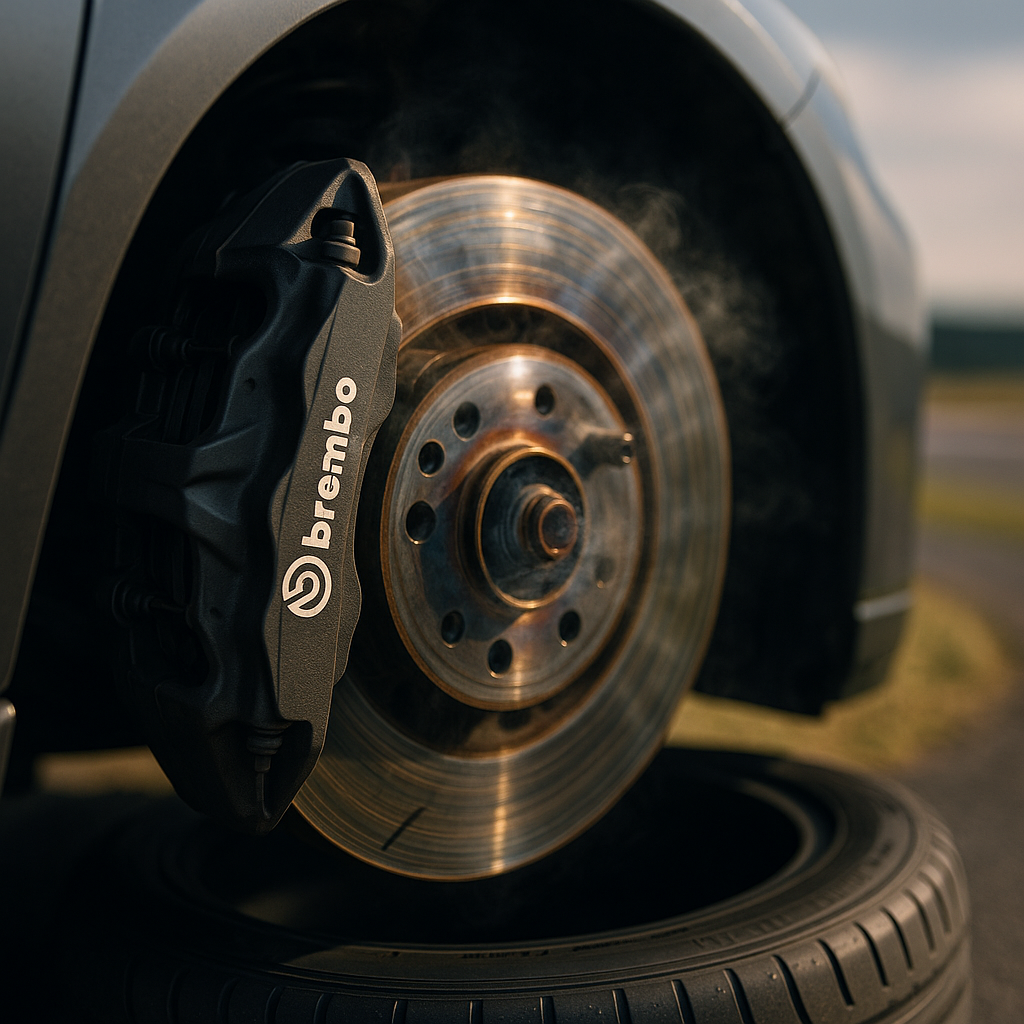
    Close-up of Brembo brake disc on an affordable track day car during a UK circuit session
    Close-up of Brembo brake disc on an affordable track day car during a UK circuit session

    Honda Civic Type R (FK8/FL5)

    The FK8 generation Civic Type R can now be found for under £25,000 with sensible mileage, and the FL5 is creeping into budget range on the used market. Both are front-wheel-drive, but the adaptive dampers, limited-slip differential, and Brembo brakes give them genuine circuit credibility. The FK8 in particular holds up impressively on track and responds well to a set of track-day pads and a basic alignment tweak. Insurance can be punchy for younger drivers, so factor that in carefully.

    Porsche Cayman (987/981)

    A used 987 or 981 Cayman sits comfortably within the £20,000 to £30,000 window and represents arguably the best chassis you can buy at any price point. The mid-engine layout provides balance that front or rear-biased cars simply cannot match, and the naturally aspirated flat-six in higher-spec trims is one of the all-time great engine sounds. Running costs are higher than Japanese alternatives, but the quality of experience on circuit is transformative. The 981 Cayman S with the 325hp 3.4-litre engine is the sweet spot for most buyers.

    Ford Focus RS (MK3)

    The MK3 Focus RS with its drift mode and 350hp turbocharged five-cylinder is now firmly in the used-car sweet spot at under £25,000. Its all-wheel-drive system provides incredible traction out of slower corners, and the mechanical character is dramatic enough to make every session memorable. Cooling modifications are advisable for sustained track use, but the fundamentals are strong and the community support is extensive.

    Insurance Considerations for Track Day Cars

    Standard road insurance does not cover track driving. Most UK enthusiasts use dedicated trackday insurance policies, which can be purchased per-day or annually depending on how often you attend events. Typical single-day cover for a car valued around £20,000 runs from £60 to £150 depending on the car and the circuit. Specialist providers like Adrian Flux and Reis offer competitive annual policies if you attend more than four or five days per year. Crucially, modifications must be declared accurately; fitting bucket seats or a roll cage without informing your insurer will void any claim.

    Which UK Circuits Should You Target First?

    Brands Hatch Indy, Silverstone National, and Cadwell Park are the three most popular open-pitlane trackday venues in the UK for good reason. Brands Hatch Indy offers a compact, technical layout that rewards precision and is ideal for learning braking points. Silverstone National provides long straights where you can genuinely explore top-speed capability. Cadwell Park is the wildcard: narrow, demanding, and utterly brilliant once you understand its rhythm. Most operators run mixed-ability sessions with instructor availability, making them accessible for first-timers with solid performance cars.

    Affordable track day cars have genuinely never been better value. Whether you are committing to a dedicated circuit machine or looking for something that doubles as a weekend road car, the models above represent some of the sharpest buys in the current market. Do your research, budget for tyres and brakes honestly, and get out there.

    Frequently Asked Questions

    What is the best affordable track day car under £20,000 in the UK?

    The Renault Megane RS Trophy and Honda Civic Type R FK8 are consistently rated as the best value front-wheel-drive track cars under £20,000 in the UK. Both offer serious performance hardware including Brembo brakes and limited-slip differentials straight from the factory, with strong community support and parts availability to back them up.

    Do I need special insurance for track days in the UK?

    Yes, your standard road insurance policy does not cover you on a circuit. You will need dedicated trackday insurance, which can be purchased per-event or as an annual policy through specialist providers such as Adrian Flux or Reis. Costs typically range from £60 to £150 per day depending on the car’s value and the level of cover you choose.

    Is the Toyota GR86 good for track days?

    The Toyota GR86 is widely regarded as one of the best track day cars available at its price point. Its lightweight platform, 50:50 weight distribution, and naturally aspirated engine make it highly rewarding to drive at the limit. It is particularly popular in UK club motorsport and has a thriving aftermarket for suspension, braking, and aero upgrades.

    How much does a track day cost in the UK?

    A standard open-pitlane track day at a UK venue like Brands Hatch or Silverstone typically costs between £100 and £250 for a full day depending on the circuit and the organiser. Add trackday insurance, fuel, and consumable costs such as brake pads and tyres, and a realistic all-in budget for the day is closer to £300 to £500.

    What modifications should I make to a track day car?

    The most impactful first modifications for any track day car are a set of dedicated track pads, fluid upgrades for the brake lines, a good set of performance tyres, and a proper four-corner alignment. Beyond that, uprated suspension components and a harness or bucket seat installation can significantly improve both safety and driver confidence on circuit.

  • How Car Enthusiasts Stay Sharp Between Track Days

    How Car Enthusiasts Stay Sharp Between Track Days

    Every petrolhead knows the post-track-day slump. The tyres are cooling, the helmet is packed away and suddenly real life feels painfully slow. The most dedicated car enthusiasts do not just wait for the next track session or late-night run – they stay sharp in between, keeping their skills, knowledge and passion fully wound.

    Why car enthusiasts need an off-track routine

    Whether you are into street racing culture, time attack, drift days or Sunday blasts on your favourite B-road, the time you spend behind the wheel is only part of the story. The quickest drivers and the most dialled-in builds are usually backed by a solid off-track routine. That might mean improving reaction times, learning new lines, planning future mods or simply staying plugged into the scene.

    Without that routine, it is easy to lose touch. You forget the feel of weight transfer, you stop following new tyre compounds or ECU tech, and your next outing becomes a rusty warm-up instead of a confident push. The smart move is to treat downtime as training time.

    Sim racing: cheap laps, serious learning

    One of the most popular ways car enthusiasts stay sharp is sim racing. A decent wheel, pedals and a solid racing title can teach you more than you might expect. You can practise braking points, trail braking, throttle modulation and racecraft without burning fuel or shredding tyres.

    Focus on running proper sessions rather than casual lobbies. Pick a car that is close to your real-world setup, turn off the arcade assists and work on consistency. Try running ten-lap stints where your lap times are within a couple of tenths. That discipline translates directly to the real world, especially when you are managing tyres or dealing with changing grip.

    Building skills with scale models and LEGO

    Hands-on projects keep your brain in “engineering mode” even when your car is off the road. Detailed model kits and brick builds are a surprisingly good way to think about suspension geometry, drivetrains and packaging. A Technic-style kit forces you to visualise how power flows, how steering is linked and how weight is supported.

    Some car enthusiasts love having a long-term build on the desk for evenings when they cannot get to the garage. It is a calm way to stay immersed in mechanics, planning upgrades and visualising wild setups. Services like Brick Club Technic LEGO Subscriptions can keep fresh, complex builds arriving regularly, which is ideal if you want a steady stream of mechanical puzzles to solve between track days.

    Garage nights: small jobs, big gains

    Not every session in the garage has to be a full engine-out mission. Use quiet evenings to tackle the jobs you normally put off: checking torque settings, cleaning brake calipers, refreshing fluids or tidying wiring. These small touches often make the difference between a sketchy night run and a clean, confidence-inspiring drive.

    Make a rolling checklist after each spirited drive: odd noises, vague pedal feel, strange tyre wear or anything that did not feel right. Then chip away at that list on weeknights. You will learn your car inside out, and you will trust it more when you push.

    Staying connected with other car enthusiasts

    Motorsport is rarely a solo game. The most switched-on car enthusiasts surround themselves with people who are just as obsessed. Local meets, cars and coffee events and club nights are perfect for trading setup tips, discovering new parts suppliers and hearing what actually works on the road or track.

    Online groups can be useful too, as long as you filter the noise. Look for communities that share data, logs and real test results rather than pure opinion. The more perspectives you have, the better your own build decisions and driving choices will be.

    Training your body and mind for faster driving

    Quick driving is not only about horsepower. Reaction speed, focus and stamina all matter, especially on longer sessions or hot track days. Simple reaction drills, like light-based apps or quickfire decision games, can keep your brain sharp. Even basic stretching and core work can help you stay comfortable and precise behind the wheel.

    Home sim racing rig used by car enthusiasts to practise driving skills
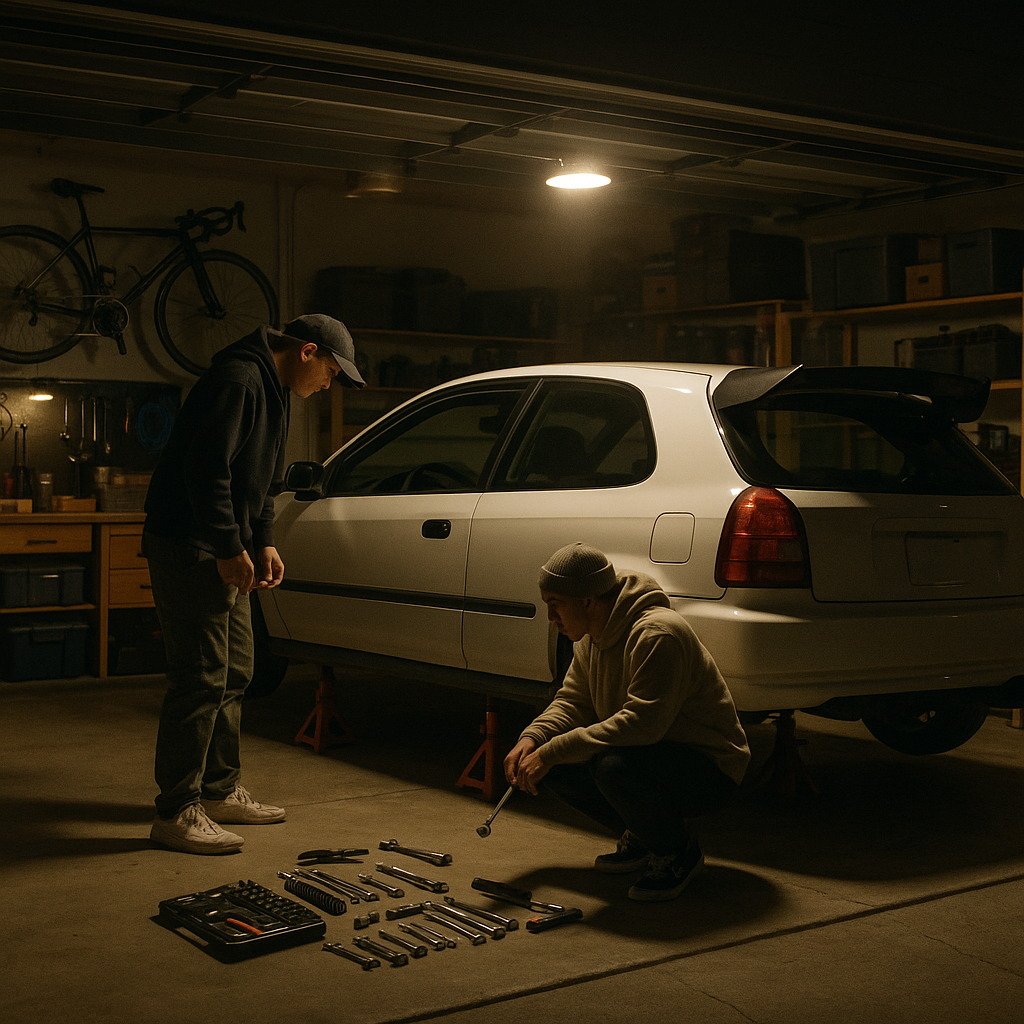
    Home garage night session where car enthusiasts work on a modified hatchback

    Car enthusiasts FAQs

    How can car enthusiasts improve driving skills without going to the track?

    You can improve driving skills through structured sim racing, watching onboard footage with data overlays, and reviewing your own in-car videos. Practising smooth inputs on everyday drives, such as progressive braking and clean steering, also builds good habits without needing a circuit every weekend.

    Are model builds and LEGO actually useful for car enthusiasts?

    Yes, complex model builds can help you think in three dimensions about how components fit and move together. While they will not replace real spanner time, they keep you engaged with mechanical ideas like steering linkages, gear ratios and suspension layouts, which can make you more thoughtful when working on your actual car.

    What is the best way for car enthusiasts to stay involved in the scene all year round?

    Mix a few habits: attend local meets, join a focused online community, schedule regular garage nights and set clear goals for your car each season. By combining social events, hands-on work and learning, you stay connected to the culture and keep your driving and build plans moving forward.