Author: Ethan

  • Street Legal Track Cars: The Best Dual-Purpose Builds Taking Over UK Roads in 2026

    Street Legal Track Cars: The Best Dual-Purpose Builds Taking Over UK Roads in 2026

    The obsession with street legal track cars has reached a fever pitch in UK car culture, and it is easy to see why. The idea of driving something genuinely rapid to a circuit, putting in proper lap times, then heading home on the motorway has always been the dream. In 2026, that dream is more achievable, and more varied, than ever before.

    Whether you are building from scratch, buying something already set up, or hunting for a sleeper that surprises at trackdays, the dual-purpose car scene is thriving. Here is a proper look at what is trending, what to buy, and what to watch out for.

    A modified Honda Civic Type R street legal track car cornering hard on a UK circuit at golden hour
    A modified Honda Civic Type R street legal track car cornering hard on a UK circuit at golden hour

    Why Street Legal Track Cars Are Dominating UK Car Culture

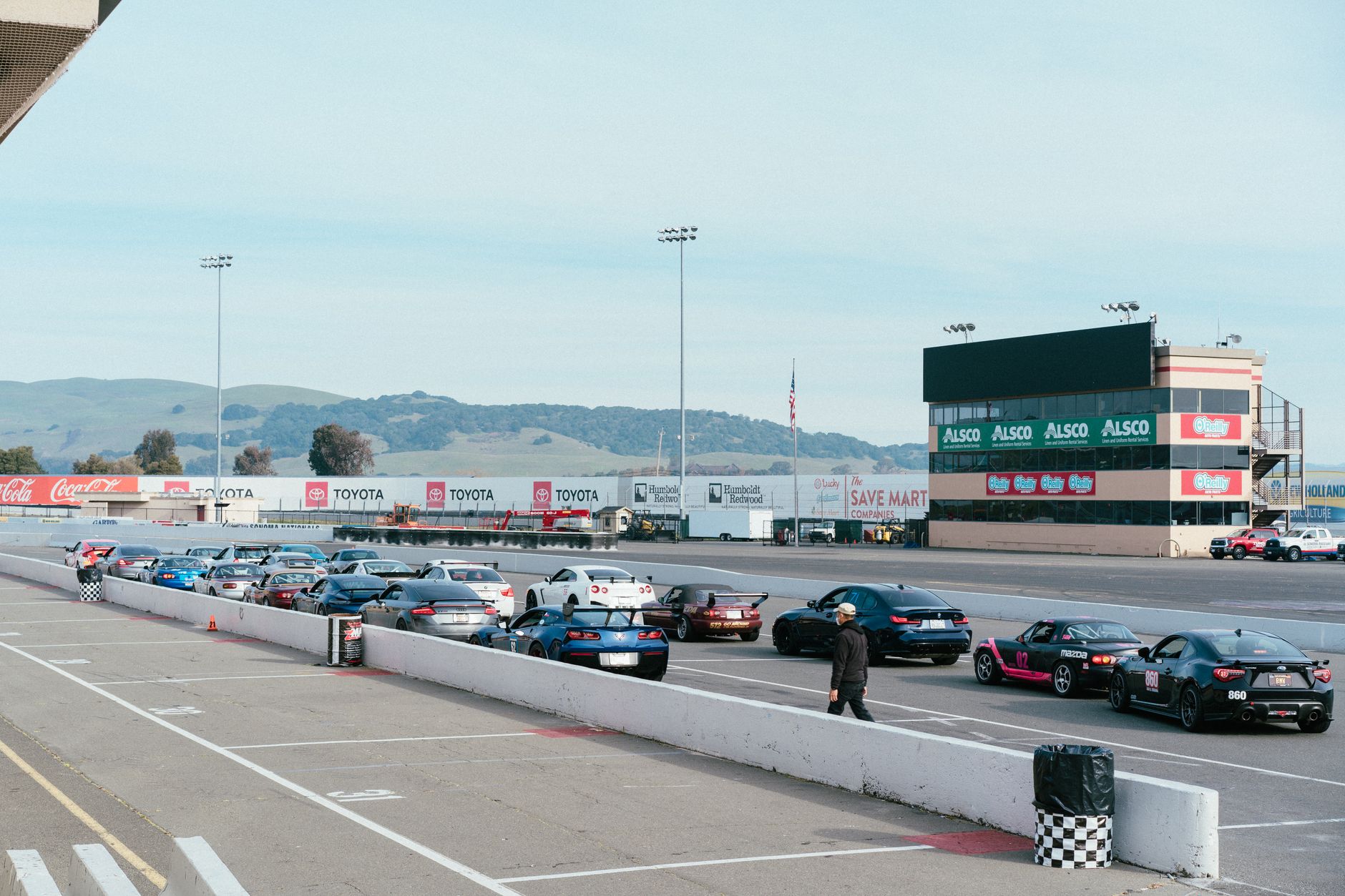
    Dedicated track cars have their appeal, but the logistics get old quickly. Trailers, tow vehicles, storage, and the cost of running a car that cannot be used on the road all add up. Street legal track cars sidestep most of that. You can drive to a Javelin or Trackday Britain event under your own steam, strip out anything removable in the paddock, and get to work. Come five o’clock, you are back on the A-road home with the heated seats on.

    The rise of budget trackday events and the sheer quality of modern tyres have also pushed the scene forward. With a set of Michelin Pilot Sport Cup 2s or Yokohama Advan A052s, a properly set-up road car becomes a serious piece of kit on track. People are realising that spending money on suspension, brakes, and rubber delivers far more lap time than chasing horsepower figures alone.

    The Best Platforms for Dual-Purpose Track Builds Right Now

    Civic Type R FL5

    Honda’s latest Civic Type R has become one of the most talked-about street legal track cars in recent years. The FL5 generation arrived with a brilliantly sorted adaptive suspension system, a mechanical limited-slip differential, and a front-wheel-drive layout that rewards skill rather than just grunt. On track, it is genuinely fast; on the road, it is surprisingly liveable. Trackday regulars have been logging remarkable times at circuits like Oulton Park and Cadwell, and a modest set of suspension tweaks alongside a brake fluid refresh is often all it needs to feel properly sorted.

    Renault Megane RS Trophy-R

    Still a benchmark in the hot hatch world, used Trophy-R prices have settled into territory that makes them an intriguing option for serious enthusiasts. Öhlins dampers, a Torsen LSD, and a weight saving programme make it one of the most complete front-wheel-drive packages ever built. It is not the most comfortable thing for a long run up the M1, but it rewards the committed driver enormously once the circuit gates open.

    Toyota GR86 and Subaru BRZ

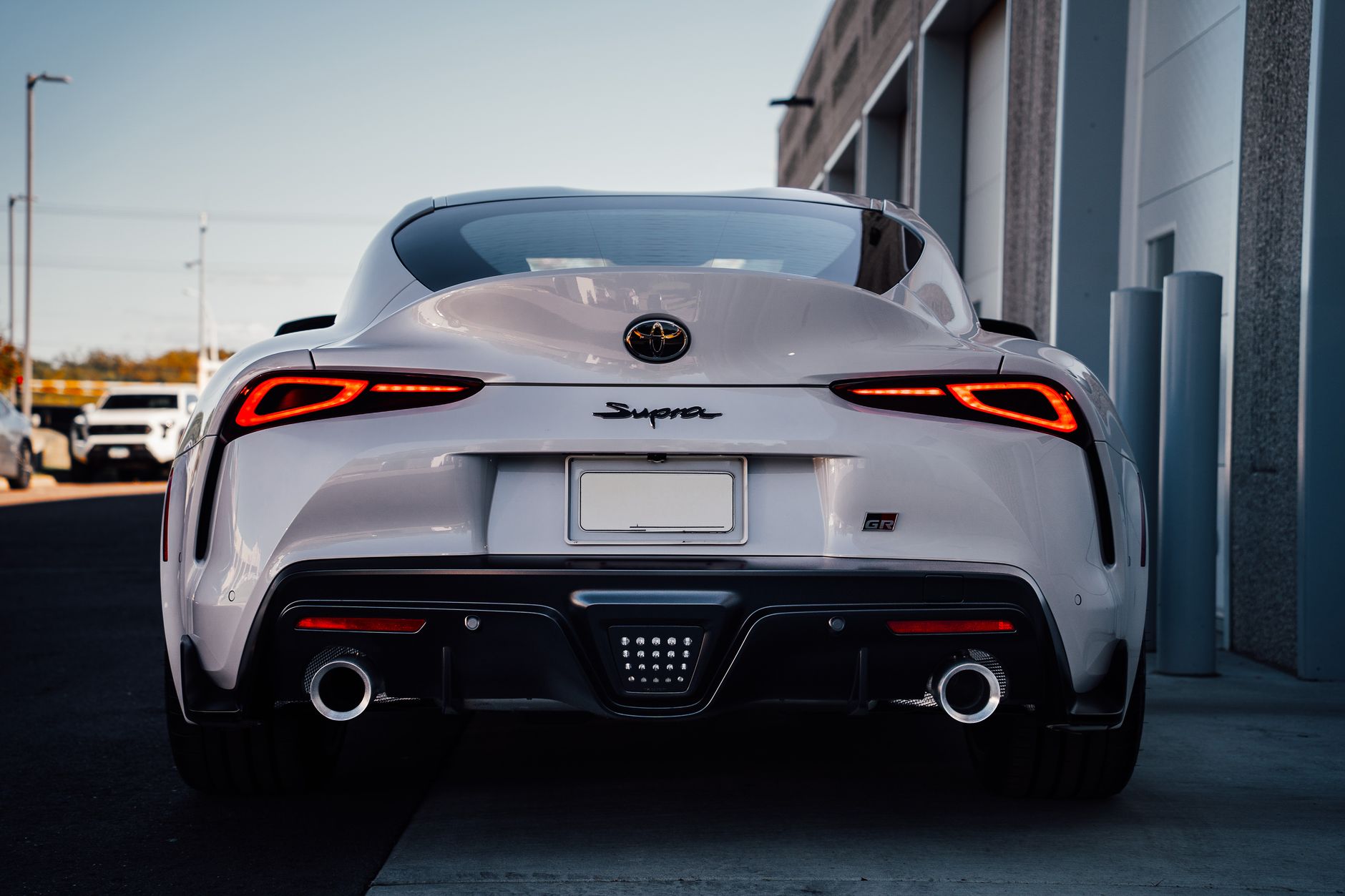
    Both the GR86 and BRZ have become the go-to entry point for rear-wheel-drive trackday builds. They are balanced, approachable, and cheap to run. The aftermarket support is enormous, and the community around these cars is one of the most knowledgeable in the business. Lightweight coilovers, a strut brace, and proper pads are the standard recipe, and the result is a car that punches well above its price point on a circuit.

    Upgraded brake discs and callipers on a street legal track car showing heat marks and track preparation detail
    Upgraded brake discs and callipers on a street legal track car showing heat marks and track preparation detail

    Mitsubishi Lancer Evolution

    The Evo refuses to die as a platform. With four-wheel drive, a torque-vectoring rear differential on later cars, and a reputation built across decades of rally competition, a properly maintained Evo is still one of the most capable street legal track cars you can put together on a budget. Keeping one in top shape matters enormously though; enthusiasts who have owned multiple Japanese performance cars often note that sourcing quality components is key. If you are mixing platforms in your garage and run an Outlander as a daily, it is worth knowing that specialist sites stock quality outlander parts alongside Evo components, which can make parts runs more efficient.

    What to Look for When Setting Up a Street Legal Track Car

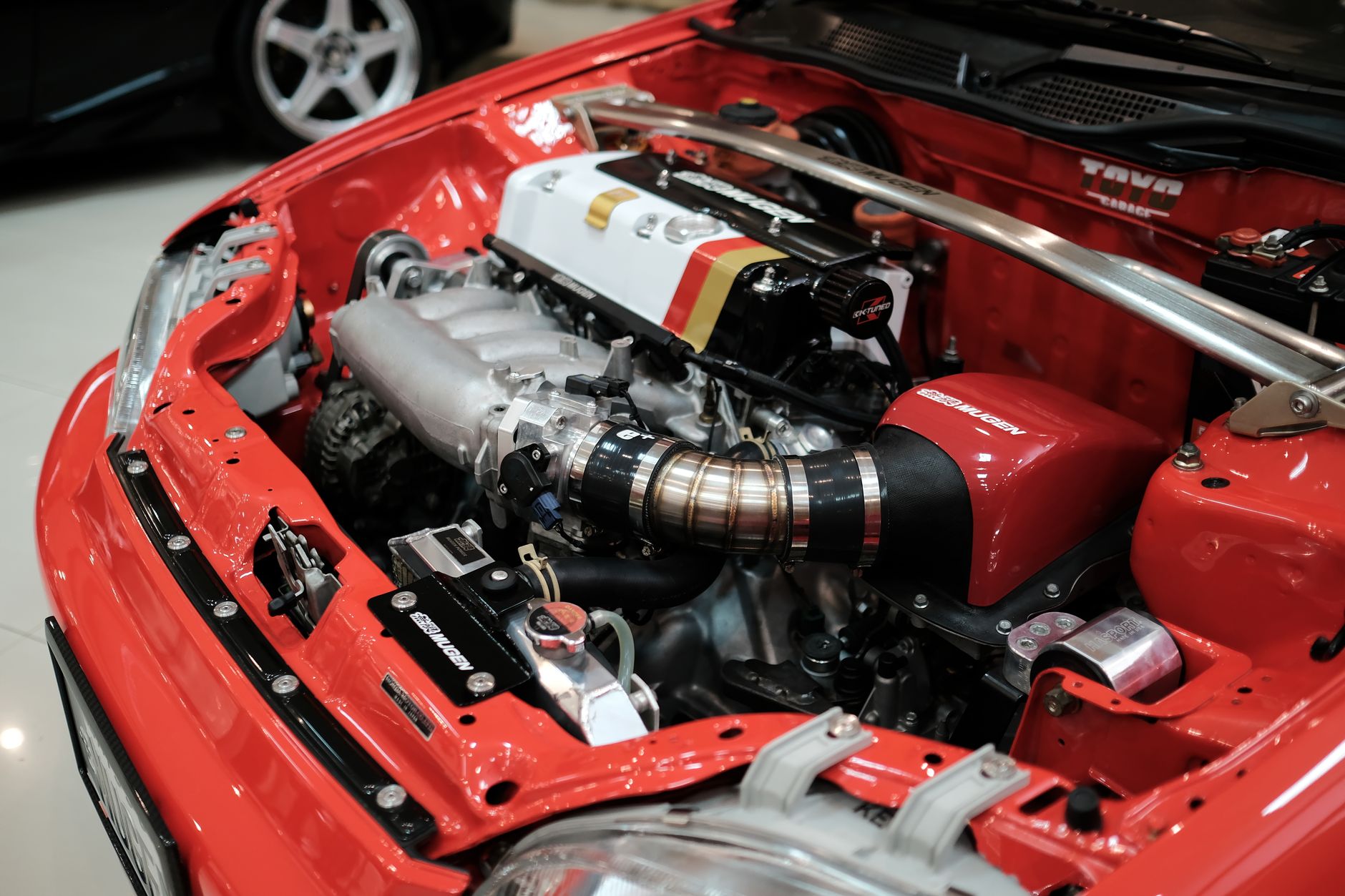
    The first priority for any dual-purpose build is brakes. Standard road car brakes are not designed for repeated hard stops from high speed. Upgraded pads with a higher heat tolerance, braided lines, and fresh fluid before every track session are the baseline. Ferodo DS2500 and EBC Yellowstuff pads are popular starting points that still work acceptably cold on the road.

    Suspension setup is the next conversation. You do not necessarily need coilovers straight away; many platform-specific spring and damper kits offer a significant improvement over standard without compromising road manners too heavily. The goal is to reduce body roll and improve feedback without making every speed bump feel like a personal attack.

    Tyres are where the real gains live. The gap in performance between a quality semi-slick road tyre and a standard touring tyre is enormous, particularly on a wet or damp circuit. If you are serious about lap times, budgeting for a second set of wheels running track-specific rubber is the smartest investment in the build.

    Keeping It Street Legal: What You Need to Stay Road Legal in the UK

    Modifications that affect MOT compliance remain the biggest concern for street legal track car builders. Roll cages fitted with bars that pass through the A or B pillars can affect airbag deployment and may technically render a car non-compliant for road use depending on how they are certified. Harnesses used without a roll cage are widely considered more dangerous than standard three-point belts in a road accident, which is why most serious builders retain the original belt setup for the road.

    Exhaust noise limits are another area to monitor. Many circuits now enforce strict db limits, and an aftermarket exhaust that sails through an MOT can still get you turned away at the paddock gate. Valve-controlled systems that switch between road and track modes have become genuinely popular for this exact reason.

    The Community Behind UK Dual-Purpose Car Builds

    One of the most underrated parts of the street legal track car scene is the community it has built around it. Forums, Discord servers, and club trackdays run by groups like SEAT Cupra UK, Honda Owners Club, and independent groups dedicated to specific platforms are full of experienced builders sharing setup notes and lap time data. If you are new to trackdays, plugging into that knowledge base early will save you significant money and help you avoid the most common setup mistakes.

    Street legal track cars represent the best of both worlds for UK enthusiasts who refuse to compromise. With the right platform, the right setup priorities, and a community behind you, a single car can deliver the daily commute and the circuit thrills without needing a second mortgage or a dedicated trailer rig to make it happen.

    Frequently Asked Questions

    What is a street legal track car?

    A street legal track car is a road-registered vehicle that has been modified or chosen specifically to perform well on a motorsport circuit while still being fully compliant with UK road regulations. These cars carry valid MOTs, tax, and insurance but are set up with upgraded brakes, suspension, and tyres to handle the demands of trackday use.

    What is the best budget street legal track car in the UK?

    For a tight budget, the Toyota GR86 and Subaru BRZ are widely regarded as the best starting points. They are rear-wheel drive, lightweight, and have enormous aftermarket support. Older Civic Type Rs, Renault Clios, and Mitsubishi Evos also offer excellent performance per pound spent when bought carefully and maintained properly.

    Do I need a roll cage for a trackday in the UK?

    A roll cage is not a requirement for most UK trackdays, particularly those held at novice or intermediate level. Many trackday operators actually restrict or ban full bolt-in cages unless they are properly certified, as a poorly installed cage can create additional hazards in an accident. A bolt-in harness bar is a popular middle ground for those wanting extra structure.

    What tyres should I use on a street legal track car?

    The most popular choice for dual-purpose use is a high-performance road tyre such as the Michelin Pilot Sport Cup 2 or Yokohama Advan A052. These offer significantly better grip than standard touring tyres and are road legal, though they perform best once fully warmed up. Many enthusiasts run a separate set of wheels with these tyres purely for track use.

    Will modifying my car for track use affect my insurance?

    Yes, modifications can affect your UK car insurance policy significantly. You must declare all modifications to your insurer; failing to do so can invalidate a claim. Some mainstream insurers exclude track use entirely, so a specialist motorsport insurance policy is often necessary even for occasional trackday attendance.

  • Street Racing 101: A Beginner’s Guide For UK Car Enthusiasts

    Street Racing 101: A Beginner’s Guide For UK Car Enthusiasts

    If you are obsessed with boost gauges, late-night meets and tunnel pulls, then street racing 101 is your unofficial starter pack. This scene is about more than just stamping your right foot – it is a mix of car culture, style, rivalry and a constant hunt for the next rush.

    What is street racing 101 really about?

    At its core, street racing is an underground motorsport culture built around fast cars, late nights and bragging rights. The classic image is a line of tuned hatchbacks and coupes on the edge of an industrial estate, bonnets up, people in hoodies and puffers, phones out, waiting for a run to kick off.

    For a lot of young drivers, it starts with cruising to local meets, watching pulls from the sidelines and slowly building a car that can hold its own. The scene blends fashion, music and machinery – rare wheels sit next to designer trainers, and the car park feels like a rolling catwalk for boy racers and petrolheads.

    Street racing 101: the cars and key mods

    Every scene has its heroes. For UK street crews, that often means turbocharged hot hatches, Japanese coupes and quick German saloons. You will see everything from budget 1.8 turbos to serious builds running big power and stripped interiors.

    Common starter mods include:

    • Intake and exhaust – to free up airflow and add some drama to the soundtrack.
    • Remaps and tuning boxes – easy power gains on modern turbo engines.
    • Coilovers and lowering springs – to get the stance right and sharpen handling.
    • Wheels and tyres – lighter alloys and sticky rubber for better grip.
    • Brakes – big discs and decent pads so the car stops as well as it goes.

    Looks matter almost as much as lap times. Clean paint, aggressive fitment and subtle aero can make even a modest build look like it belongs in a motorsport paddock.

    Culture, crews and meet etiquette

    Street racing 101 is as much about people as it is about horsepower. Most areas have their own crews, regular meet spots and WhatsApp or Discord groups where runs and cruises are organised. New faces are usually welcome, as long as they respect the vibe.

    Basic meet etiquette includes:

    • Do not rev-bomb constantly or bounce it off the limiter for attention.
    • Do not touch other people’s cars without asking.
    • Park neatly so everyone can get in and out without drama.
    • Keep the location clean – leaving rubbish behind is a quick way to get shut down.
    • Read the mood – some nights are for chill flexing, others for serious pulls.

    Reputation travels fast. Act like a clown and people will remember. Turn up with a tidy car, decent driving and a bit of respect, and you will quickly find your circle.

    Speed, risk and smarter options

    There is no way around it: racing on public roads is risky. Traffic, random junctions, pedestrians and unmarked cars all turn a quick blast into a potential disaster. The reality is that one bad decision can cost you your licence, your car or far worse.

    The smart move is to separate the buzz of the culture from the danger of actual illegal runs. Many crews now mix late-night meets with booked track sessions, drag strip events or handling days. You still get the adrenaline and the banter, but with proper run-off, marshals and timing gear.

    Think of it as the evolved version of street racing 101: same attitude, more skill, less chaos.

    Building your skills like a pro

    If you are serious about going fast, raw bravery is not enough. You need technique. Learning proper braking points, throttle control and car balance will make you quicker and safer in any situation, from a damp B-road to a full race circuit.

    Plenty of UK venues offer taster days where you can bring your own car, ride with instructors and see what your build can really do away from speed cameras and traffic lights. It is also a reality check – many so-called monsters feel very different when pushed properly.

    Modified turbo hatchback and Japanese coupe at a meet showing street racing 101 style
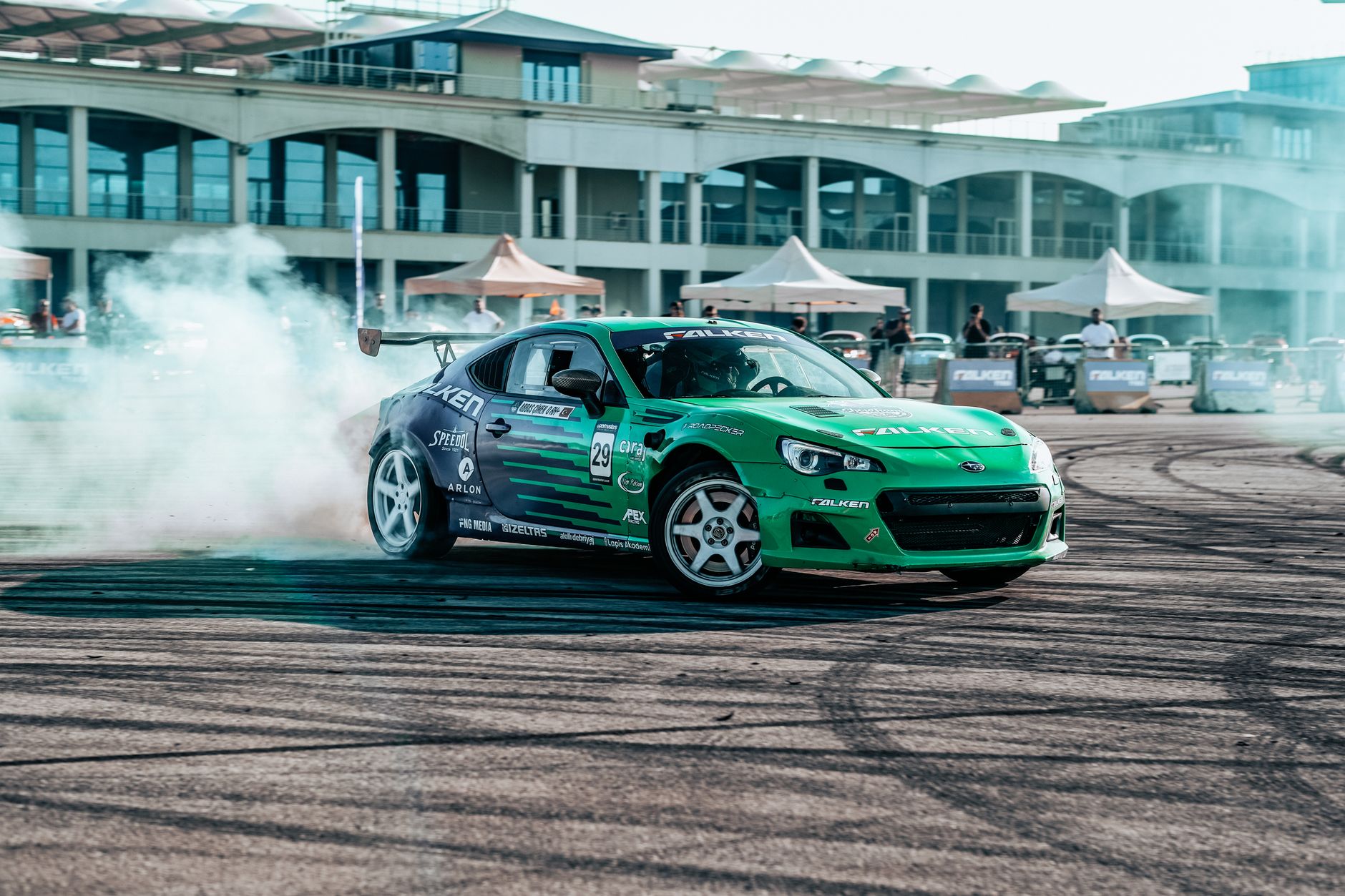
    Tuned car on circuit during track day as a safer outlet for street racing 101 fans

    Street racing 101 FAQs

    What is street racing 101 for a complete beginner?

    Street racing 101 is the basic introduction to the car culture built around fast road cars, late-night meets and friendly rivalry. For beginners, it usually means going to local gatherings, getting to know the regulars, learning how people organise cruises and pulls, and slowly upgrading your own car. It is less about jumping straight into risky races and more about understanding the scene, the etiquette and how to build a car that fits in.

    How can I get the street racing vibe without racing illegally?

    You can get the full street racing 101 experience without breaking the law by focusing on the culture and the driving in safer places. Go to organised meets, show and shine events, track days and drag strip sessions. You still get the late-night convoys, the outfits, the photos, the sound of tuned cars and the banter, but your actual hard driving happens on circuits or strips designed for speed, with marshals and safety rules in place.

    What car mods are best for someone new to the scene?

    For newcomers following a street racing 101 mindset, start with sensible upgrades that improve the whole package, not just straight-line speed. Good tyres, better brake pads and a decent alignment are smart first steps. After that, consider a mild remap, intake and exhaust for extra power and sound, plus suspension tweaks to lower the car and sharpen handling. Aim for a balanced build that looks clean, drives well and can grow with you as your skills and budget increase.