
Do you need a licence to compete in your road car? For most events, yes. A Motorsport UK competition licence is the permit that lets you enter club-level events in the UK, and you can apply for your first one online without owning a race car. Here is how the Motorsport UK competition licence 2026 process works, step by step.
1. Pick your discipline before you pick a licence
Motorsport UK issues licences by discipline, so the sport you want decides the paperwork. Circuit racing, stage rallying, speed events and off-road all have their own routes, and each one has a lower club-level grade and higher National grades above it. Decide whether you want to race wheel to wheel, drive against the clock or navigate a rally stage, then look at the licence for that sport on the Motorsport UK website.
If you are still deciding, our piece on how street car enthusiasts are crossing over into grassroots motorsport covers what the first season usually looks like.
2. Understand the grades
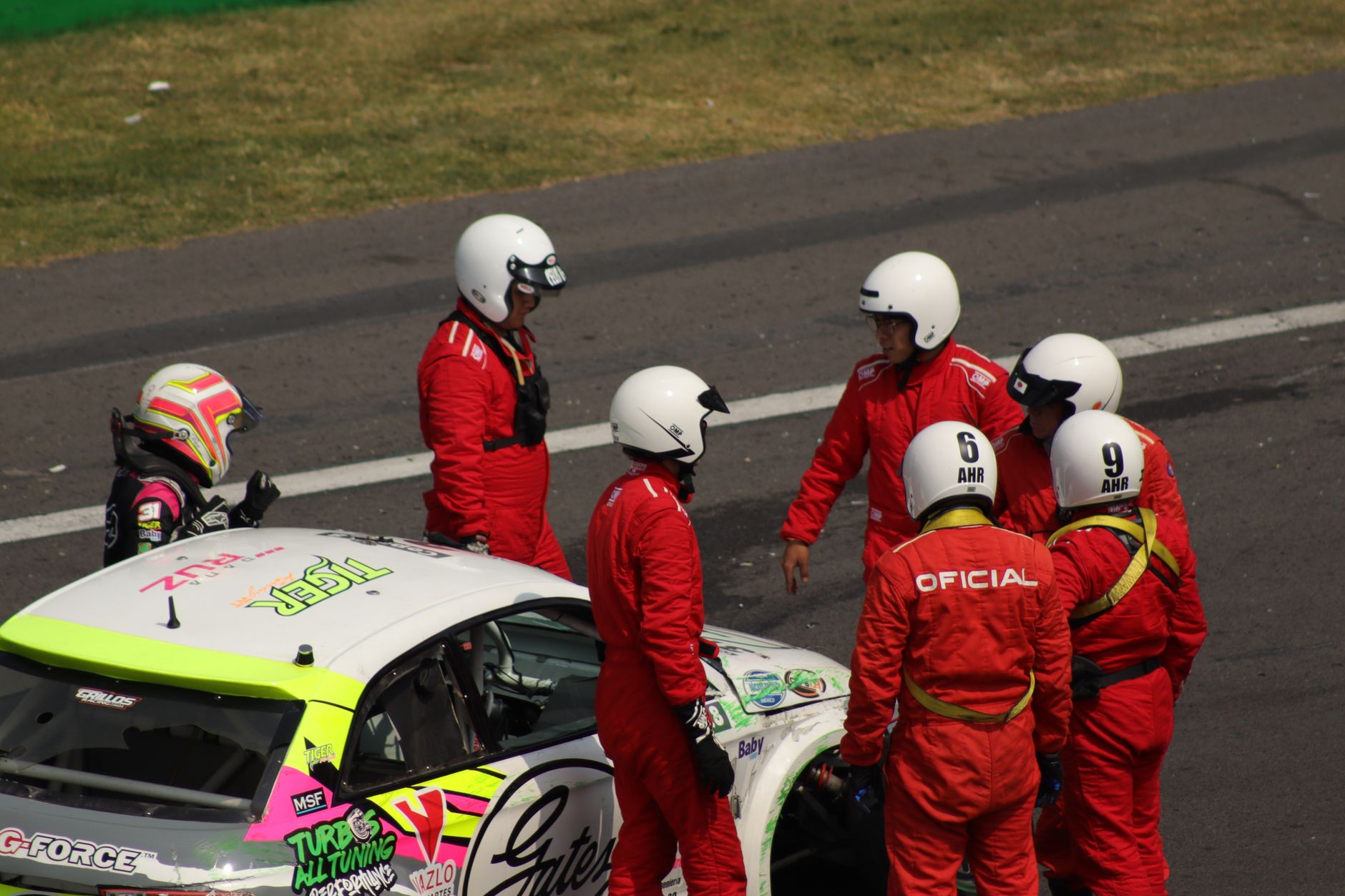
At the bottom are Interclub licences, designed for club events where you are not yet ready for a full National licence. There is also the RS Clubman licence, which covers many entry-level events such as autotests and some rallysprints. Above those sit National B and National A licences, then International grades for championship-level competition. You move up by completing events and meeting the requirements for that discipline, not by paying for a bigger badge.
For most readers the first licence will be Interclub, RS Clubman or National B, depending on the sport.
3. Do you need a medical for a Motorsport UK licence?
For most entry-level licences, you complete a medical declaration rather than a full examination. You answer questions about your health and sign the form, and a doctor’s examination is only needed in certain circumstances, such as particular conditions or older applicants. Requirements differ by licence and can change, so read the current medical guidance on the Motorsport UK site before you apply. Declaring anything honestly matters, because an inaccurate form can undermine your cover if something goes wrong.
4. Complete the training your discipline demands
Circuit racing is the one with a clear gate. To get a race licence you pass the ARDS test (Association of Racing Drivers Schools), a one-day course with a practical assessment run by an approved school. Stage rallying and speed events have their own routes, often via a club membership and a novice or beginner pathway. Joining a club recognised by Motorsport UK is a good first move anyway, because members will tell you which events welcome newcomers.
5. Apply, then budget for the kit
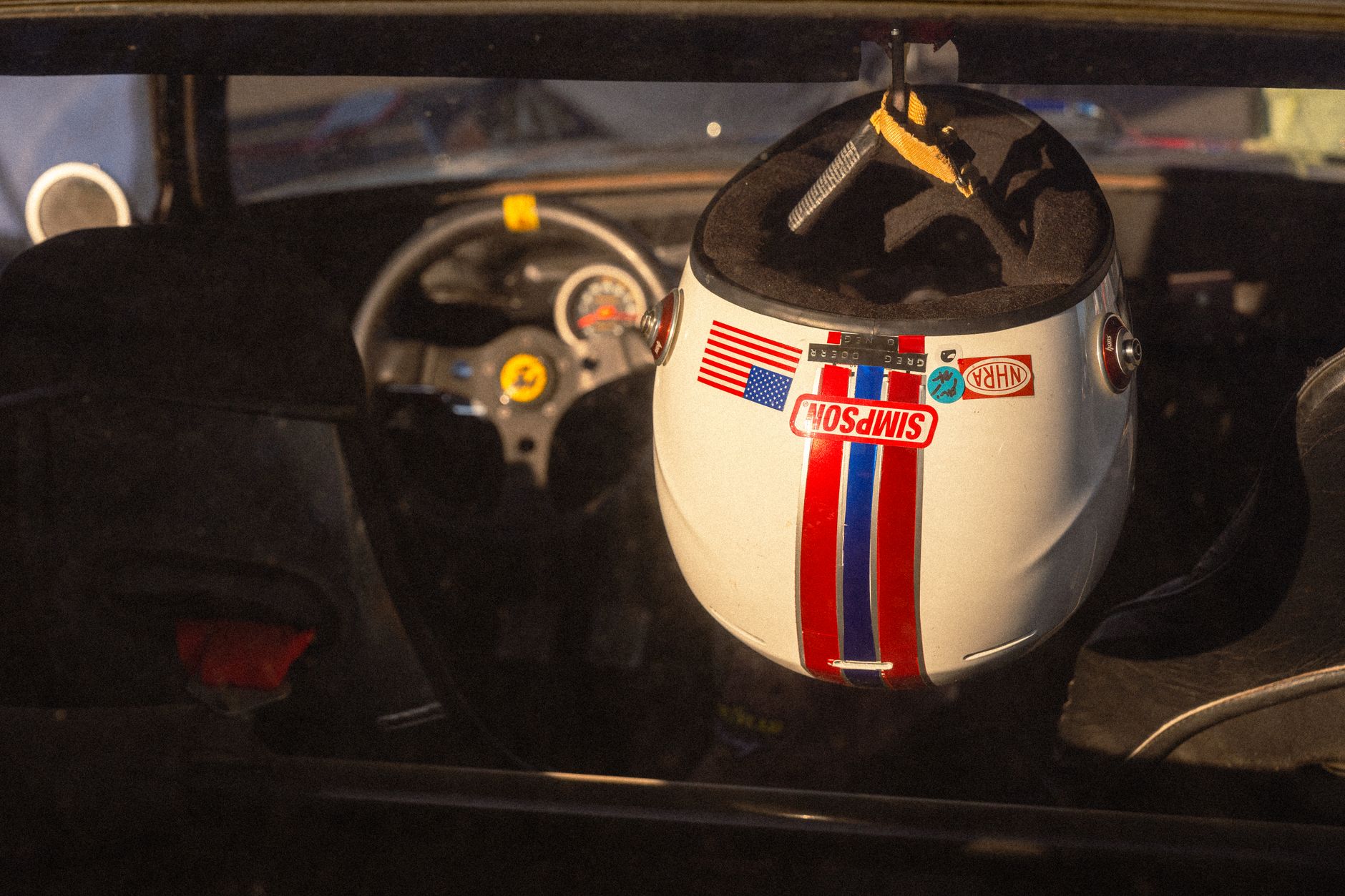
You apply through Motorsport UK, pay the licence fee and get the licence issued once your documents are in. Fees change each year, so check the current figure rather than trusting a forum post. Then budget for the safety gear: a helmet to the required standard, flame-retardant overalls, gloves and boots for circuit disciplines, and often a HANS or similar device for racing. Buy helmets new, because you cannot know the history of a secondhand one.
6. Match your discipline to your budget
Cost is where most would-be racers talk themselves out of it, so it helps to see the disciplines side by side. These are broad bands, not quotes.
| Discipline | Entry cost | Car needs |
|---|---|---|
| Autotests and khanacana | Lowest | Often your own road car |
| Sprints and hillclimbs | Low to moderate | Road car with basic safety checks |
| Stage rallying | Moderate to high | Prepared car with cage and seats |
| Circuit racing | Highest | Dedicated, scrutineered race car |
Autotests are the cheapest way in, held on car parks and fields, and a tidy daily driver is often enough. Sprints and hillclimbs give you a stopwatch and real speed. If rallying calls, our guide to building a rally car for under £5,000 shows where the money goes.
7. Get the car through scrutineering
Every event has scrutineers who check that your car meets the regulations for the class, from seat belts and fire extinguishers to tow eyes and battery security. Read the class regulations and your discipline’s rulebook (the Motorsport UK Yearbook) before you spend a penny on modifications. A car that is clean and well prepared also makes a better impression on the scrutineer, and paint takes a pounding on stage and sprint venues.
Custom Creations Detailing, a Mansfield, Nottinghamshire firm of PPF installers and car detailing specialists (customcreationsdetailing.com), works with car enthusiasts on protecting paint and care detailing, which is the sort of car cleaning and preparation a motor racing newcomer tends to overlook until the first stone chips appear.
8. Enter your first event and keep the licence valid
Start with a beginner-friendly club event, enter early and arrive with your licence, documents and kit. Licences run for a set period and need renewing, so diary the date. For circuit-based events, many newcomers also try an owners’ club day first, and our look at owners’ club track days explains why.
9. Plan for resale and running costs
A competition car holds its value differently from a road car. A tidy, well-documented example with receipts and a clean shell tends to be easier to move on, whether you are thinking of car sales down the line or a bit of car flipping to fund the next build. Regular car maintenance, such as brake fluid, tyres and checking for wear after every event, keeps costs predictable.
Before you commit, read the current licence guidance on the Motorsport UK site, join a local club and ask to marshal or spectate at one event. That single day will tell you which discipline you actually want to enter.
Frequently Asked Questions
Can I race my road car with a Motorsport UK licence?
For some events, yes. Autotests, sprints and certain club days often accept lightly prepared road cars. Circuit racing and stage rallying normally need a car built to the class regulations with safety equipment, so check the rules for your chosen discipline first.
Is there a minimum age for a Motorsport UK licence?
Yes, minimum ages vary by discipline and licence type, and juniors have their own routes. Check the current requirements for your chosen sport on the Motorsport UK website before applying, as the rules can change.
What is the ARDS test?
The ARDS test is a one-day course and assessment run by an approved racing school. Passing it is the standard route to a circuit racing licence. It covers theory, flag signals and a practical session on track.
Do I need my own kit before applying for a licence?
You do not need kit to apply, but you need it to compete. Helmets, overalls and other safety equipment must meet the required standards for your discipline. Buy helmets new and check the standards in the Motorsport UK regulations.