
Tag: motorsport lifestyle

  • How Car Enthusiasts Stay Sharp Between Track Days

    How Car Enthusiasts Stay Sharp Between Track Days

    Every petrolhead knows the post-track-day slump. The tyres are cooling, the helmet is packed away and suddenly real life feels painfully slow. The most dedicated car enthusiasts do not just wait for the next track session or late-night run – they stay sharp in between, keeping their skills, knowledge and passion fully wound.

    Why car enthusiasts need an off-track routine

    Whether you are into street racing culture, time attack, drift days or Sunday blasts on your favourite B-road, the time you spend behind the wheel is only part of the story. The quickest drivers and the most dialled-in builds are usually backed by a solid off-track routine. That might mean improving reaction times, learning new lines, planning future mods or simply staying plugged into the scene.

    Without that routine, it is easy to lose touch. You forget the feel of weight transfer, you stop following new tyre compounds or ECU tech, and your next outing becomes a rusty warm-up instead of a confident push. The smart move is to treat downtime as training time.

    Sim racing: cheap laps, serious learning

    One of the most popular ways car enthusiasts stay sharp is sim racing. A decent wheel, pedals and a solid racing title can teach you more than you might expect. You can practise braking points, trail braking, throttle modulation and racecraft without burning fuel or shredding tyres.

    Focus on running proper sessions rather than casual lobbies. Pick a car that is close to your real-world setup, turn off the arcade assists and work on consistency. Try running ten-lap stints where your lap times are within a couple of tenths. That discipline translates directly to the real world, especially when you are managing tyres or dealing with changing grip.

    Building skills with scale models and LEGO

    Hands-on projects keep your brain in “engineering mode” even when your car is off the road. Detailed model kits and brick builds are a surprisingly good way to think about suspension geometry, drivetrains and packaging. A Technic-style kit forces you to visualise how power flows, how steering is linked and how weight is supported.

    Some car enthusiasts love having a long-term build on the desk for evenings when they cannot get to the garage. It is a calm way to stay immersed in mechanics, planning upgrades and visualising wild setups. Services like Brick Club Technic LEGO Subscriptions can keep fresh, complex builds arriving regularly, which is ideal if you want a steady stream of mechanical puzzles to solve between track days.

    Garage nights: small jobs, big gains

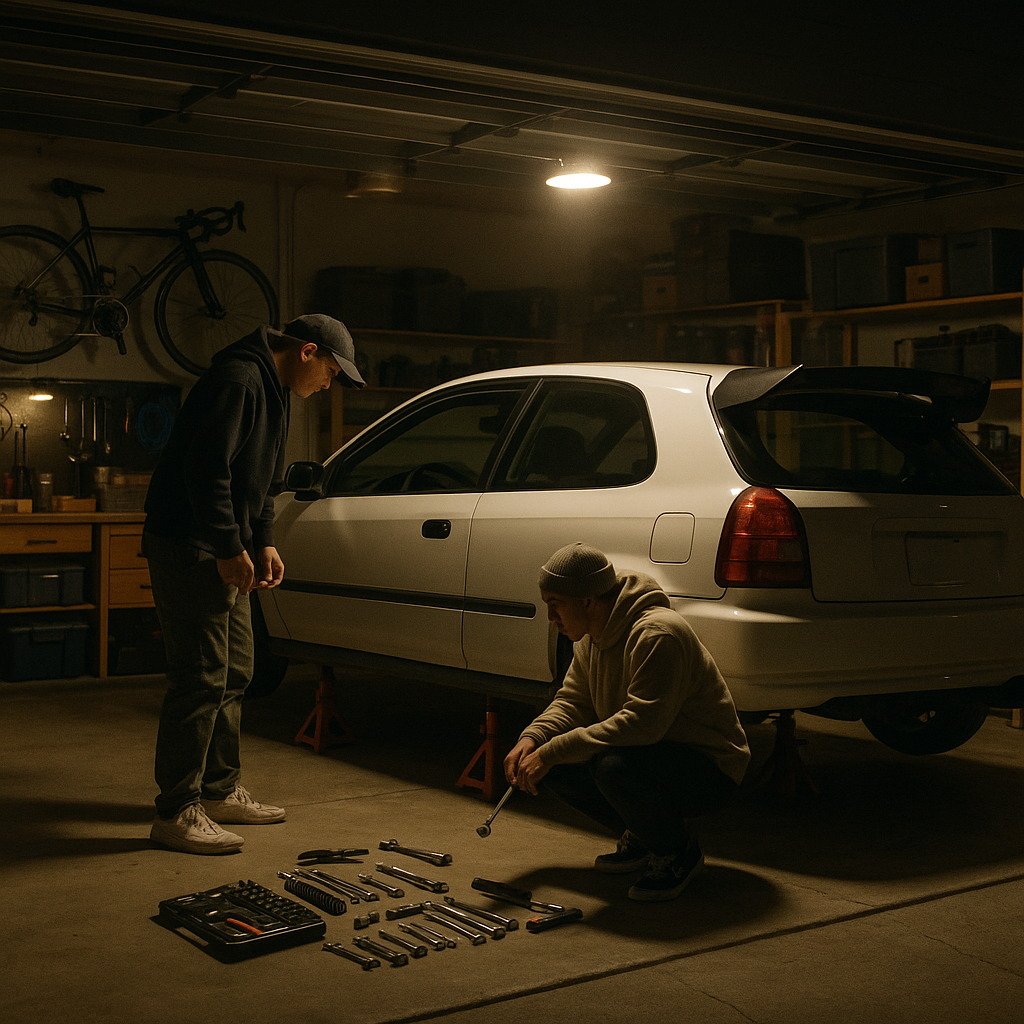
    Not every session in the garage has to be a full engine-out mission. Use quiet evenings to tackle the jobs you normally put off: checking torque settings, cleaning brake calipers, refreshing fluids or tidying wiring. These small touches often make the difference between a sketchy night run and a clean, confidence-inspiring drive.

    Make a rolling checklist after each spirited drive: odd noises, vague pedal feel, strange tyre wear or anything that did not feel right. Then chip away at that list on weeknights. You will learn your car inside out, and you will trust it more when you push.

    Staying connected with other car enthusiasts

    Motorsport is rarely a solo game. The most switched-on car enthusiasts surround themselves with people who are just as obsessed. Local meets, cars and coffee events and club nights are perfect for trading setup tips, discovering new parts suppliers and hearing what actually works on the road or track.

    Online groups can be useful too, as long as you filter the noise. Look for communities that share data, logs and real test results rather than pure opinion. The more perspectives you have, the better your own build decisions and driving choices will be.

    Training your body and mind for faster driving

    Quick driving is not only about horsepower. Reaction speed, focus and stamina all matter, especially on longer sessions or hot track days. Simple reaction drills, like light-based apps or quickfire decision games, can keep your brain sharp. Even basic stretching and core work can help you stay comfortable and precise behind the wheel.

    Home sim racing rig used by car enthusiasts to practise driving skills
    Home garage night session where car enthusiasts work on a modified hatchback

    Car enthusiasts FAQs

    How can car enthusiasts improve driving skills without going to the track?

    You can improve driving skills through structured sim racing, watching onboard footage with data overlays, and reviewing your own in-car videos. Practising smooth inputs on everyday drives, such as progressive braking and clean steering, also builds good habits without needing a circuit every weekend.

    Are model builds and LEGO actually useful for car enthusiasts?

    Yes, complex model builds can help you think in three dimensions about how components fit and move together. While they will not replace real spanner time, they keep you engaged with mechanical ideas like steering linkages, gear ratios and suspension layouts, which can make you more thoughtful when working on your actual car.

    What is the best way for car enthusiasts to stay involved in the scene all year round?

    Mix a few habits: attend local meets, join a focused online community, schedule regular garage nights and set clear goals for your car each season. By combining social events, hands-on work and learning, you stay connected to the culture and keep your driving and build plans moving forward.
  • Street Racing 101: A Beginner’s Guide For UK Car Enthusiasts

    Street Racing 101: A Beginner’s Guide For UK Car Enthusiasts

    If you are obsessed with boost gauges, late-night meets and tunnel pulls, then street racing 101 is your unofficial starter pack. This scene is about more than just stamping your right foot – it is a mix of car culture, style, rivalry and a constant hunt for the next rush.

    What is street racing 101 really about?

    At its core, street racing is an underground motorsport culture built around fast cars, late nights and bragging rights. The classic image is a line of tuned hatchbacks and coupes on the edge of an industrial estate, bonnets up, people in hoodies and puffers, phones out, waiting for a run to kick off.

    For a lot of young drivers, it starts with cruising to local meets, watching pulls from the sidelines and slowly building a car that can hold its own. The scene blends fashion, music and machinery – rare wheels sit next to designer trainers, and the car park feels like a rolling catwalk for boy racers and petrolheads.

    Street racing 101: the cars and key mods

    Every scene has its heroes. For UK street crews, that often means turbocharged hot hatches, Japanese coupes and quick German saloons. You will see everything from budget 1.8 turbos to serious builds running big power and stripped interiors.

    Common starter mods include:

    • Intake and exhaust – to free up airflow and add some drama to the soundtrack.
    • Remaps and tuning boxes – easy power gains on modern turbo engines.
    • Coilovers and lowering springs – to get the stance right and sharpen handling.
    • Wheels and tyres – lighter alloys and sticky rubber for better grip.
    • Brakes – big discs and decent pads so the car stops as well as it goes.

    Looks matter almost as much as lap times. Clean paint, aggressive fitment and subtle aero can make even a modest build look like it belongs in a motorsport paddock.

    Culture, crews and meet etiquette

    Street racing 101 is as much about people as it is about horsepower. Most areas have their own crews, regular meet spots and WhatsApp or Discord groups where runs and cruises are organised. New faces are usually welcome, as long as they respect the vibe.

    Basic meet etiquette includes:

    • Do not rev-bomb constantly or bounce it off the limiter for attention.
    • Do not touch other people’s cars without asking.
    • Park neatly so everyone can get in and out without drama.
    • Keep the location clean – leaving rubbish behind is a quick way to get shut down.
    • Read the mood – some nights are for chill flexing, others for serious pulls.

    Reputation travels fast. Act like a clown and people will remember. Turn up with a tidy car, decent driving and a bit of respect, and you will quickly find your circle.

    Speed, risk and smarter options

    There is no way around it: racing on public roads is risky. Traffic, random junctions, pedestrians and unmarked cars all turn a quick blast into a potential disaster. The reality is that one bad decision can cost you your licence, your car or far worse.

    The smart move is to separate the buzz of the culture from the danger of actual illegal runs. Many crews now mix late-night meets with booked track sessions, drag strip events or handling days. You still get the adrenaline and the banter, but with proper run-off, marshals and timing gear.

    Think of it as the evolved version of street racing 101: same attitude, more skill, less chaos.

    Building your skills like a pro

    If you are serious about going fast, raw bravery is not enough. You need technique. Learning proper braking points, throttle control and car balance will make you quicker and safer in any situation, from a damp B-road to a full race circuit.

    Plenty of UK venues offer taster days where you can bring your own car, ride with instructors and see what your build can really do away from speed cameras and traffic lights. It is also a reality check – many so-called monsters feel very different when pushed properly.

    Modified turbo hatchback and Japanese coupe at a meet showing street racing 101 style
    Tuned car on circuit during track day as a safer outlet for street racing 101 fans

    Street racing 101 FAQs

    What is street racing 101 for a complete beginner?

    Street racing 101 is the basic introduction to the car culture built around fast road cars, late-night meets and friendly rivalry. For beginners, it usually means going to local gatherings, getting to know the regulars, learning how people organise cruises and pulls, and slowly upgrading your own car. It is less about jumping straight into risky races and more about understanding the scene, the etiquette and how to build a car that fits in.

    How can I get the street racing vibe without racing illegally?

    You can get the full street racing 101 experience without breaking the law by focusing on the culture and the driving in safer places. Go to organised meets, show and shine events, track days and drag strip sessions. You still get the late-night convoys, the outfits, the photos, the sound of tuned cars and the banter, but your actual hard driving happens on circuits or strips designed for speed, with marshals and safety rules in place.

    What car mods are best for someone new to the scene?

    For newcomers following a street racing 101 mindset, start with sensible upgrades that improve the whole package, not just straight-line speed. Good tyres, better brake pads and a decent alignment are smart first steps. After that, consider a mild remap, intake and exhaust for extra power and sound, plus suspension tweaks to lower the car and sharpen handling. Aim for a balanced build that looks clean, drives well and can grow with you as your skills and budget increase.