
If you are obsessed with boost gauges, late-night meets and tunnel pulls, then street racing 101 is your unofficial starter pack. This scene is about more than just stamping your right foot – it is a mix of car culture, style, rivalry and a constant hunt for the next rush.
What is street racing 101 really about?
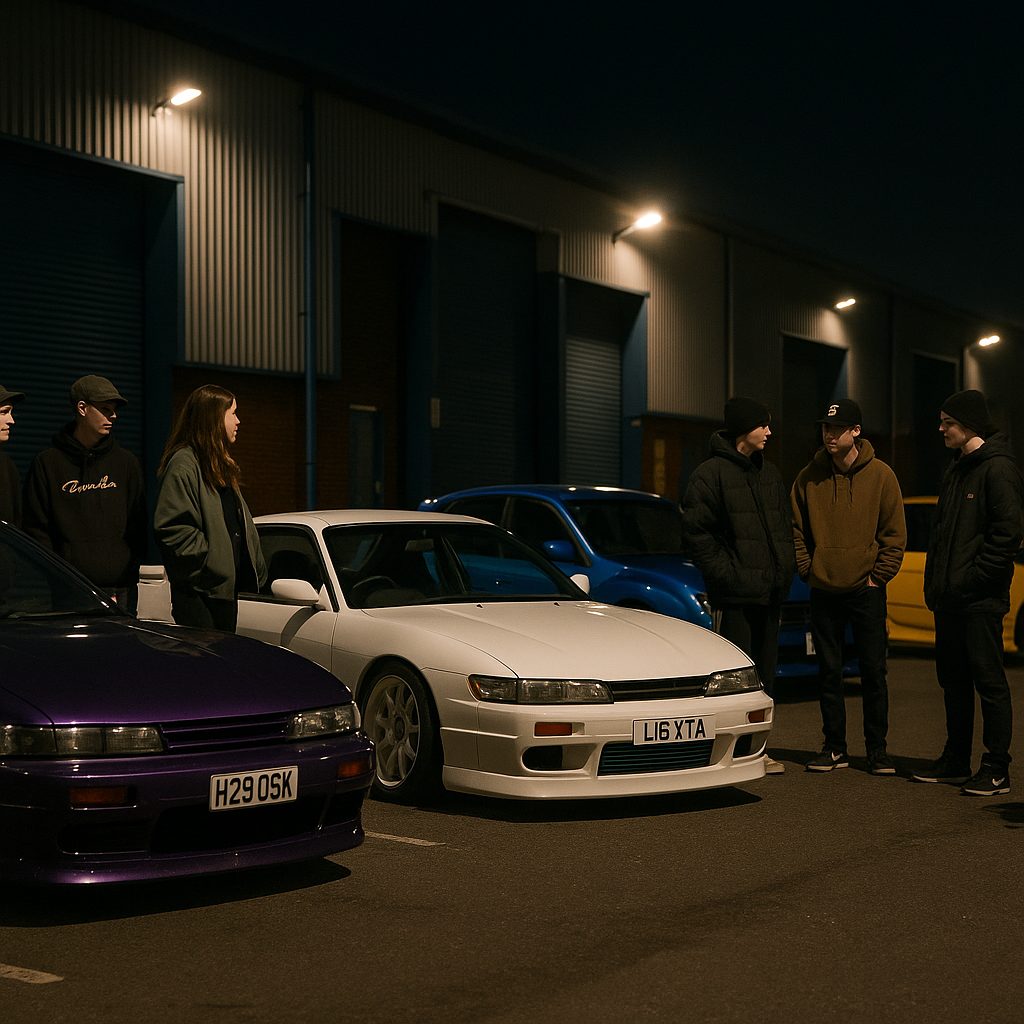
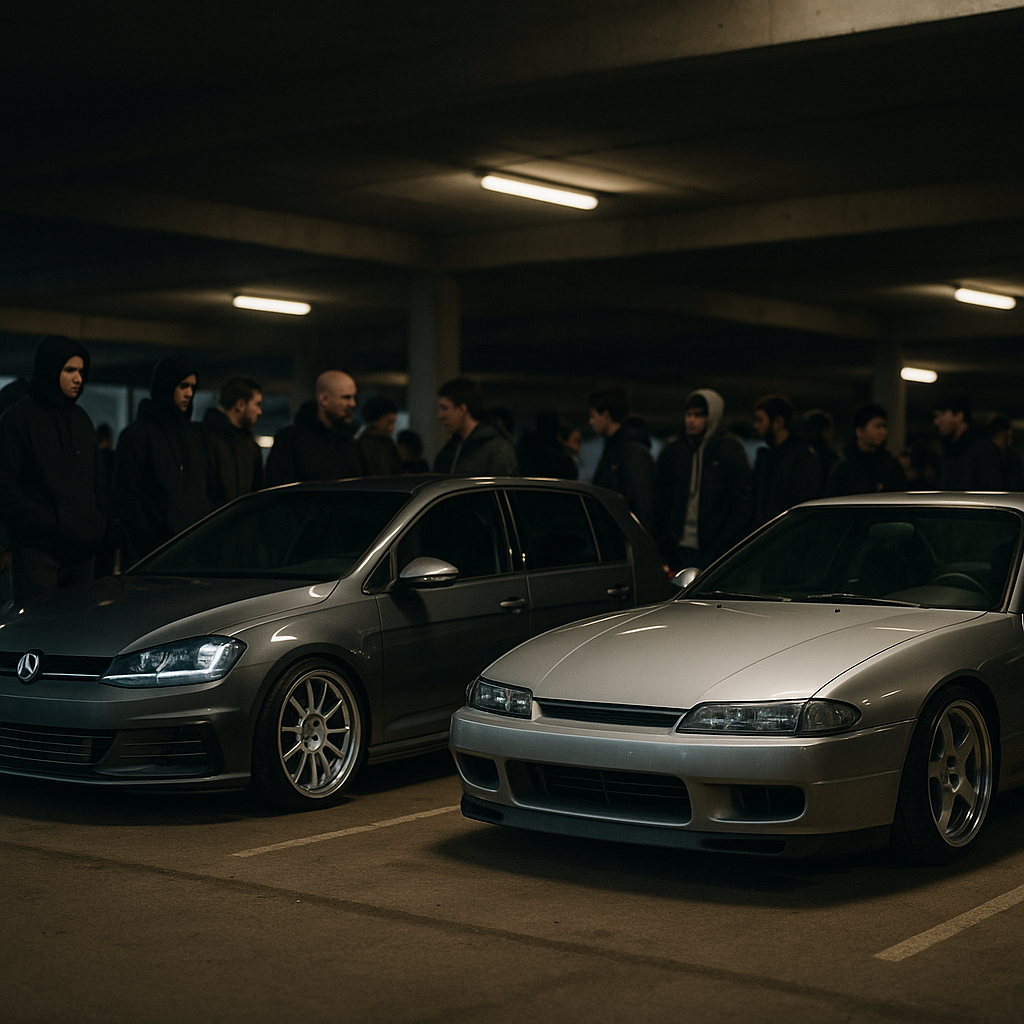
At its core, street racing is an underground motorsport culture built around fast cars, late nights and bragging rights. The classic image is a line of tuned hatchbacks and coupes on the edge of an industrial estate, bonnets up, people in hoodies and puffers, phones out, waiting for a run to kick off.
For a lot of young drivers, it starts with cruising to local meets, watching pulls from the sidelines and slowly building a car that can hold its own. The scene blends fashion, music and machinery – rare wheels sit next to designer trainers, and the car park feels like a rolling catwalk for boy racers and petrolheads.
Street racing 101: the cars and key mods
Every scene has its heroes. For UK street crews, that often means turbocharged hot hatches, Japanese coupes and quick German saloons. You will see everything from budget 1.8 turbos to serious builds running big power and stripped interiors.
Common starter mods include:
- Intake and exhaust – to free up airflow and add some drama to the soundtrack.
- Remaps and tuning boxes – easy power gains on modern turbo engines.
- Coilovers and lowering springs – to get the stance right and sharpen handling.
- Wheels and tyres – lighter alloys and sticky rubber for better grip.
- Brakes – big discs and decent pads so the car stops as well as it goes.
Looks matter almost as much as lap times. Clean paint, aggressive fitment and subtle aero can make even a modest build look like it belongs in a motorsport paddock.
Culture, crews and meet etiquette
Street racing 101 is as much about people as it is about horsepower. Most areas have their own crews, regular meet spots and WhatsApp or Discord groups where runs and cruises are organised. New faces are usually welcome, as long as they respect the vibe.
Basic meet etiquette includes:
- Do not rev-bomb constantly or bounce it off the limiter for attention.
- Do not touch other people’s cars without asking.
- Park neatly so everyone can get in and out without drama.
- Keep the location clean – leaving rubbish behind is a quick way to get shut down.
- Read the mood – some nights are for chill flexing, others for serious pulls.
Reputation travels fast. Act like a clown and people will remember. Turn up with a tidy car, decent driving and a bit of respect, and you will quickly find your circle.
Speed, risk and smarter options
There is no way around it: racing on public roads is risky. Traffic, random junctions, pedestrians and unmarked cars all turn a quick blast into a potential disaster. The reality is that one bad decision can cost you your licence, your car or far worse.
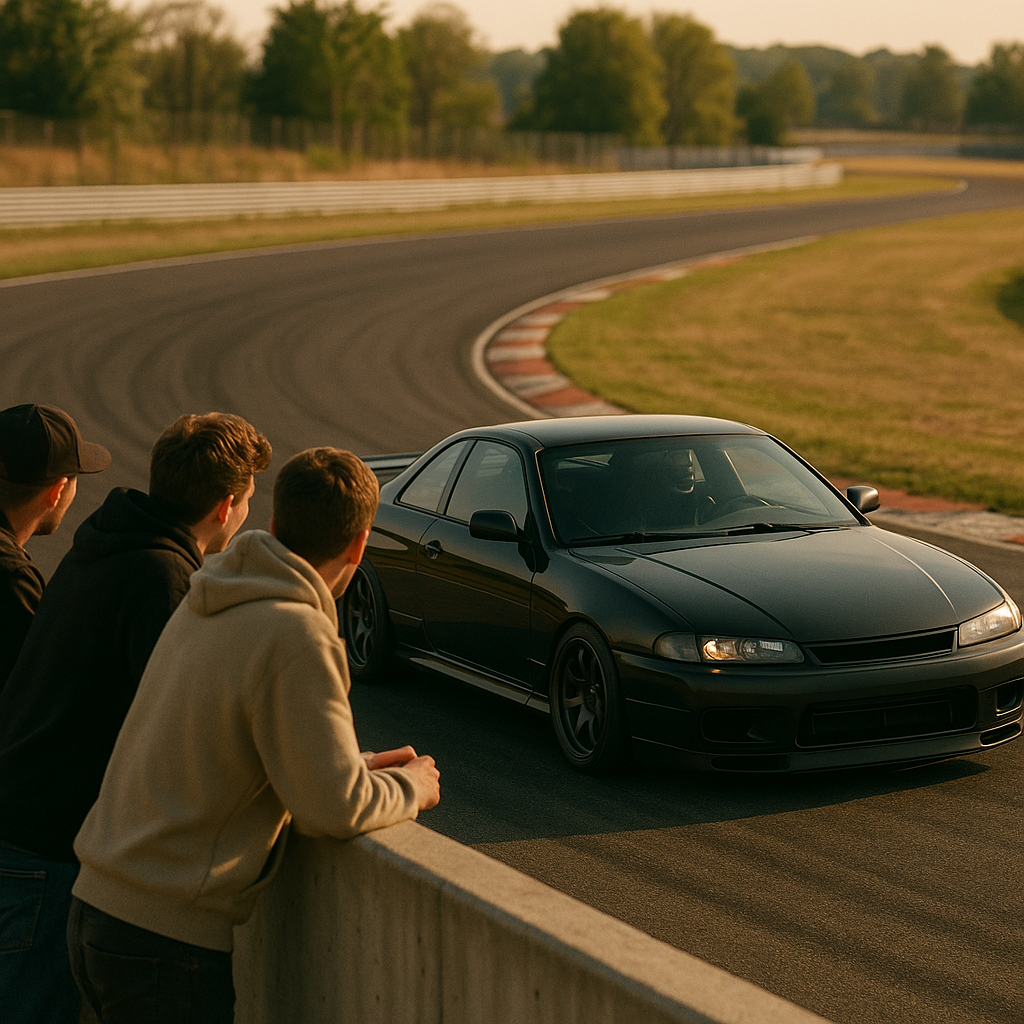
The smart move is to separate the buzz of the culture from the danger of actual illegal runs. Many crews now mix late-night meets with booked track sessions, drag strip events or handling days. You still get the adrenaline and the banter, but with proper run-off, marshals and timing gear.
Think of it as the evolved version of street racing 101: same attitude, more skill, less chaos.
Building your skills like a pro
If you are serious about going fast, raw bravery is not enough. You need technique. Learning proper braking points, throttle control and car balance will make you quicker and safer in any situation, from a damp B-road to a full race circuit.
Plenty of UK venues offer taster days where you can bring your own car, ride with instructors and see what your build can really do away from speed cameras and traffic lights. It is also a reality check – many so-called monsters feel very different when pushed properly.
Leave a Reply