

The Scotland performance car scene 2026 is bigger, more organised and more visible than the London-centric press has let on, and it matters most to enthusiasts north of the border who are tired of seeing their roads used as backdrops for other people’s stories. Here are the questions people actually ask about it, answered straight.
What makes the Scotland performance car scene 2026 different?
Distance and terrain shape everything. Southern scenes revolve around car parks and short blasts between towns. Scottish enthusiasts have Highland roads, long A-road runs and weather that punishes lazy setups. That tends to produce builds that value balance, braking and tyres over headline power.
Cost matters too. Plenty of Scottish owners are driving long distances to events, so reliability and comfort carry more weight than they do in a city scene where the garage is ten minutes away.
Which Scottish roads do enthusiasts rate most?
The A82 along Loch Lomond and through Glencoe is the best known, and the NC500 loop around the north Highlands is the one that gets the social media attention. Both are scenic, both are busy, and neither is a racetrack.
That last point is the one to take seriously. The A82 is a working road with lorries, caravans and tourists, and sections of the NC500 are single-track with passing places. Police Scotland and local communities have raised concerns about driver behaviour on popular routes in recent years, so the sensible approach is early starts, off-season visits and keeping the pace for properly empty, well-sighted stretches. If you film your drive, our piece on dashcam evidence and road traffic law explains how that footage can cut both ways.
What do Scottish builds look like?
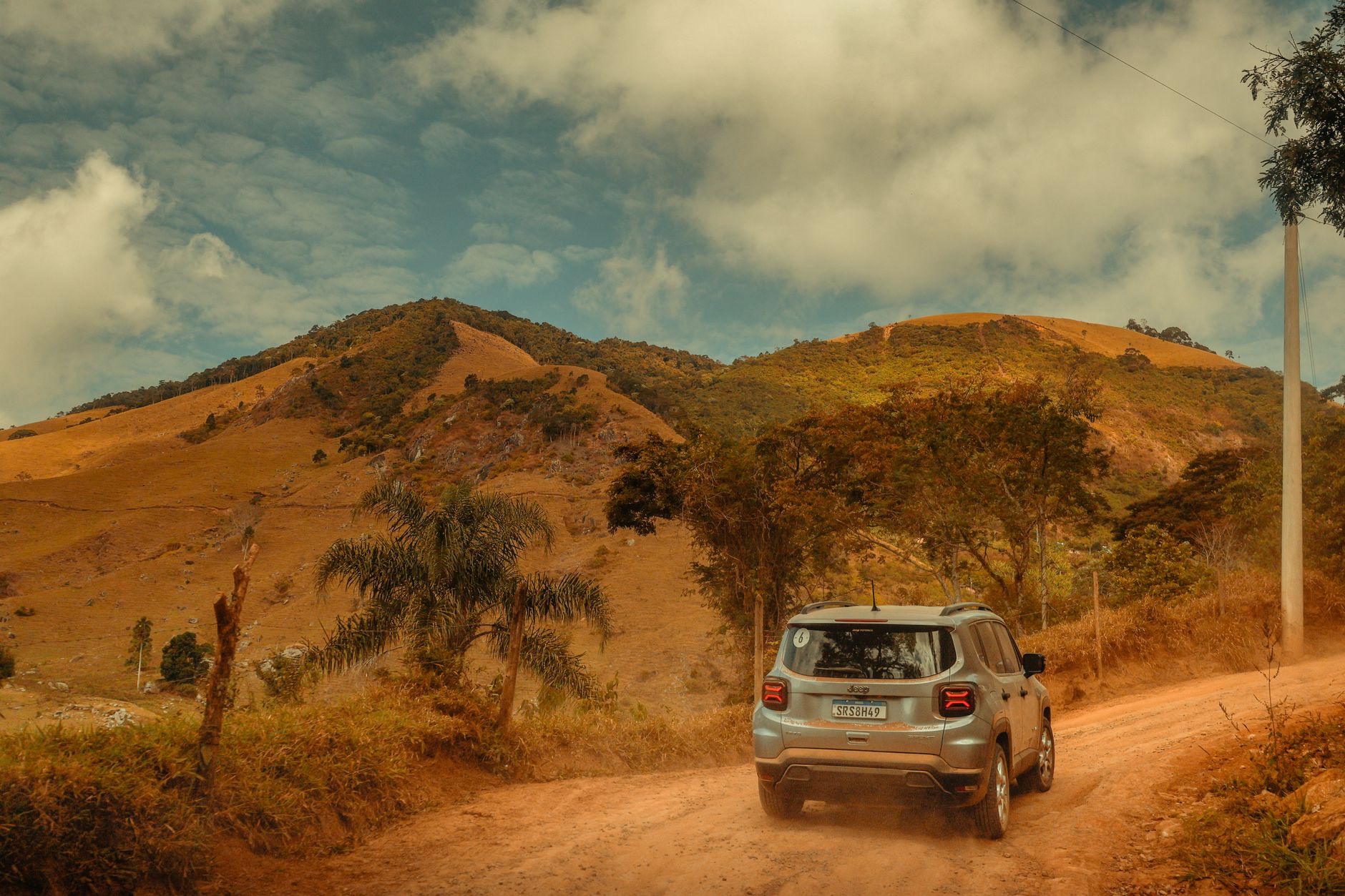
Expect a mix. Hot hatches, older BMWs, Subaru and Mitsubishi rally-bred cars, and a strong thread of Scottish rallying heritage running through the scene. Rallying has deep roots in Scotland, with forest stages that have long fed local grassroots interest, and it shows in how many road cars wear gravel-inspired upgrades such as tougher suspension and underbody protection.
Build culture is practical. Home garages, shared units and mates with a ramp do a lot of the work, which is why the rules around converting a home workshop are worth knowing, and why autojumbles and secondhand part hunting are as popular here as anywhere, as we covered in our boot sale builds feature.
Where do enthusiasts actually meet up?
Mostly in the central belt around Glasgow and Edinburgh, with regional groups in Aberdeen, Dundee, Inverness and the Borders. Meets run through social media groups and owners’ clubs, and the best organised ones now work with venue owners and the police rather than against them.
That shift is the real story. Organisers who set rules on noise, arrival and departure, and who marshal car parks, are the ones still running events after a few seasons. Informal meets that turn into revving contests tend to lose their venue quickly. Glasgow also features in our look at UK modified car scenes outside London.
Why do Scottish enthusiasts feel overlooked?
Most national car media is produced in and around London and the South East, so coverage defaults to southern venues, southern clubs and southern problems. A Scottish build might get a passing mention while a similar car in Surrey gets a full feature.
The pushback is mostly practical rather than angry. Scottish owners are running their own channels, photography pages and club newsletters, and documenting events themselves. The result is a scene that tells its own story and is increasingly hard to ignore, which is also true of the northern English cities in our Manchester, Leeds and Sheffield feature.
What should you know before driving a modified car in Scotland?
Scotland shares the UK-wide rules on MOTs, exhaust noise and vehicle construction, but policing and prosecution run through Police Scotland and the Crown Office rather than English systems. Speed limits and road signage follow the same basics, and the gov.uk driving and transport guidance covers the national rules.
Practical Highland advice is simple. Fuel up before remote stretches, because stations can be far apart. Carry proper tyres and check them, expect sudden weather changes, and watch for sheep and deer on unfenced roads, especially around dawn and dusk. In late autumn and winter, ice and short daylight make the northern routes a very different drive from a July postcard.
If you want to get involved, start local: find your nearest owners’ club, go to a meet as a spectator, and ask about organised track days or sprints before taking a car north on a long road trip. The scene rewards people who turn up and contribute, not just those who photograph it.
Frequently Asked Questions
Is the NC500 good for performance cars?
It is a spectacular drive, but not a fast one. Much of the route is single-track with passing places, and it is busy with campervans and tourists in season. A well-balanced car with good brakes suits it better than a high-powered one.
Can you drive the A82 quickly?
Not safely for most of its length. The A82 is a busy route with heavy traffic, tight sections near Loch Lomond and changeable weather. Speed limits apply throughout, and enforcement is real, so treat it as a scenic drive.
Are there organised track days in Scotland?
Yes. Scotland has circuits that host track days, sprints and club events, and many owners’ clubs run their own sessions. Check each venue’s noise limits and rules before booking, as these vary and can change.
Is rallying big in Scotland?
Yes, Scotland has a long rallying tradition with forest stages and active clubs. It influences road car builds too, with tougher suspension and underbody protection being popular choices among local enthusiasts.




Leave a Reply