Author: Roberto

  • DVLA Crackdowns and Modified Cars: What UK Boy Racers Need to Know in 2026

    DVLA Crackdowns and Modified Cars: What UK Boy Racers Need to Know in 2026

    If you’ve been building something serious in the garage this year, there’s never been a more important time to understand the DVLA modified car rules UK 2026 landscape. Both the DVLA and the DVSA have quietly ramped up enforcement, and what was once a grey area for boy racers and enthusiasts is now getting a lot more scrutiny at MOT stations, roadside checks, and even via Automatic Number Plate Recognition cameras. Getting your build wrong on paper can mean anything from a failed MOT to having your registration document invalidated. That’s a nightmare nobody wants.

    This isn’t about scaring you off modifying. It’s about making sure your build stays on the road, where it belongs. Let’s break down exactly what’s changed, what you need to declare, and how to keep things legal whilst still keeping the build wild.

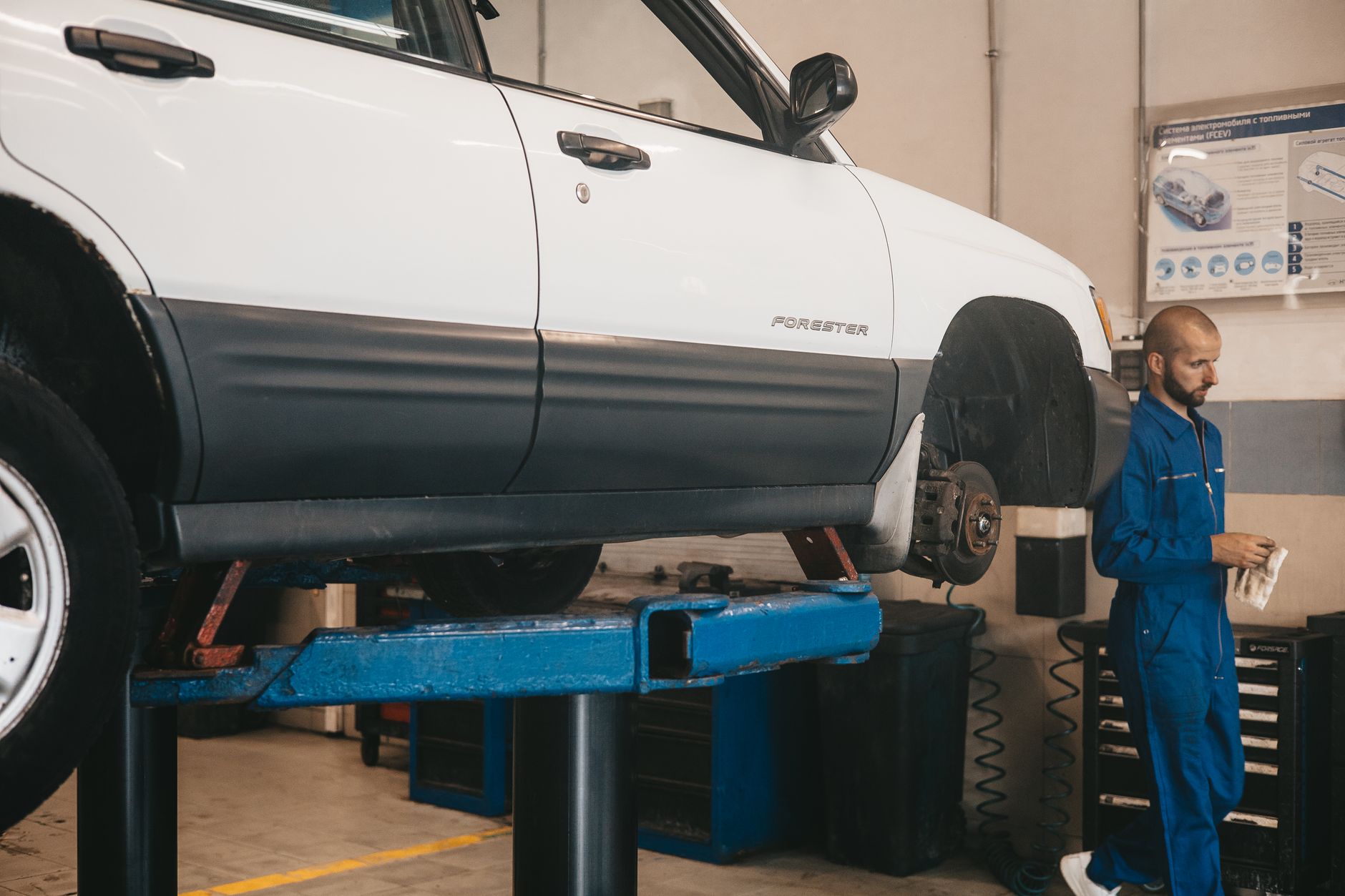
    Modified hatchback on a wet UK street illustrating dvla modified car rules uk 2026
    Modified hatchback on a wet UK street illustrating dvla modified car rules uk 2026

    What Modifications Must Be Declared to the DVLA?

    The V5C logbook is essentially your car’s official identity document, and certain modifications change that identity in the eyes of the law. Under current DVLA guidance, you are legally required to notify the DVLA if you make changes to your vehicle’s colour, engine, fuel type, chassis, body type, or seating capacity. That means swapping a 1.8T for a 2.0T, going from petrol to E85 compatibility as a permanent conversion, or significantly altering the bodywork so the vehicle type changes — all of these need to be reflected on your V5C.

    Failing to update your V5C when required isn’t just an admin oversight. It can invalidate your insurance, create problems during any police stop, and technically mean you’re driving a vehicle whose registration doesn’t match its specification. You can update your V5C via the GOV.UK vehicle registration service. Takes ten minutes. Just do it.

    How DVSA Tightening Is Affecting MOT Results on Modified Cars

    The DVSA oversees MOT testing standards across the UK, and testers have been given sharper guidance around visually obvious modifications. Understanding the dvla modified car rules uk 2026 picture means knowing that MOT testers aren’t just checking your brakes and emissions — they’re increasingly flagging cars where visible mods raise questions about structural integrity or compliance.

    Coilover suspension that drops a car beyond manufacturer tolerances, stretched tyres that compromise handling geometry, and aftermarket lighting that doesn’t meet ECE or BS standards are all common MOT failure points in 2026. Tinted rear windows are fine on most cars — tinted front side windows are not, if they fail the 70% light transmission rule. Aftermarket exhausts need to meet noise limits, which are measured differently than most people realise. A drone that’s acceptable at idle can breach limits under acceleration.

    Specific Mods That Commonly Trigger Issues

    • Ride height drops over 50mm from standard without corresponding geometry correction often leads to tyre wear patterns that fail inspection.
    • Non-standard seats or harnesses — bucket seats are legal, but removing airbag systems without proper documentation creates an advisory or failure depending on the car’s original spec.
    • Engine swaps — not illegal per se, but the replacement engine must meet the emissions standard applicable to the car’s registration year, or an Individual Vehicle Approval (IVA) may be required.
    • Body kits — wide arch kits that take the track width over 25mm wider than the V5C spec need to be declared.
    • Window tints — front side windows below 70% VLT are an immediate MOT failure and carry a fixed penalty on the road.
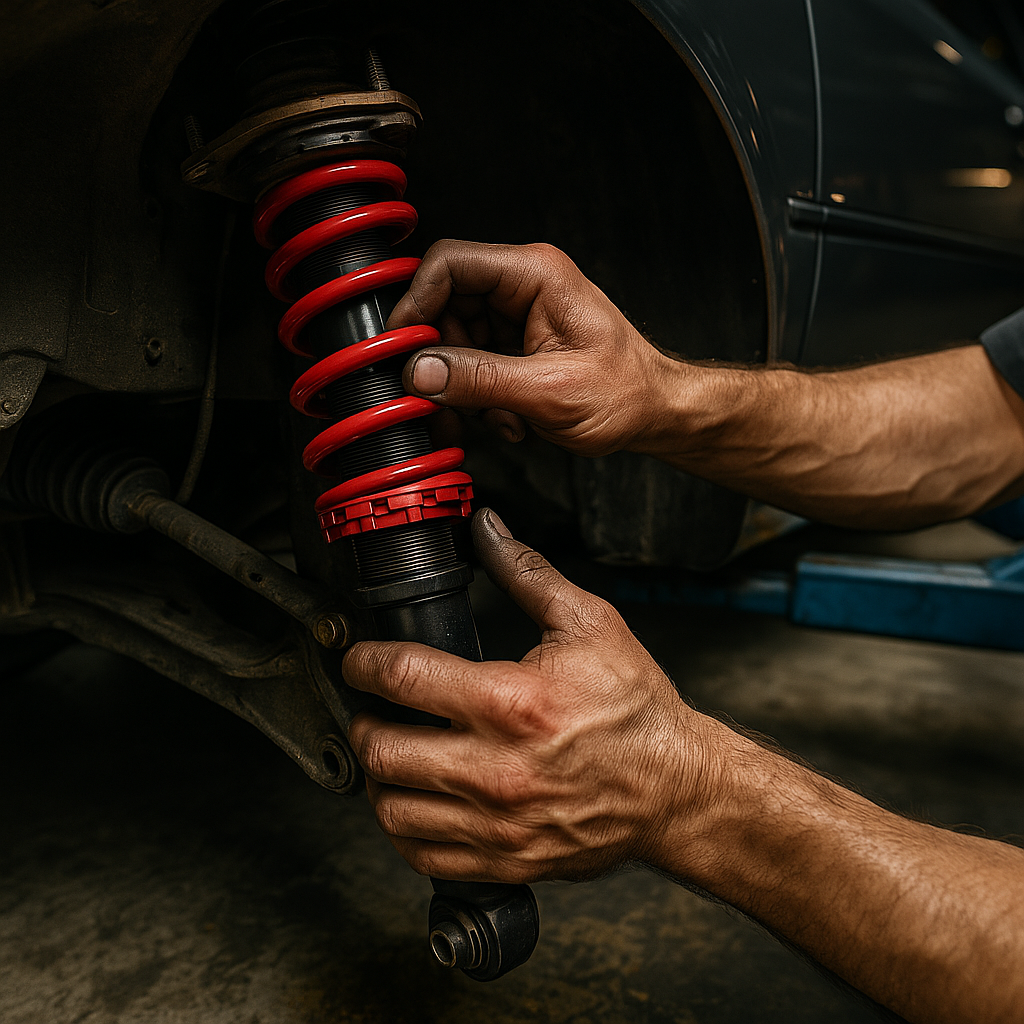
    Mechanic inspecting coilover suspension on modified car relevant to dvla modified car rules uk 2026
    Mechanic inspecting coilover suspension on modified car relevant to dvla modified car rules uk 2026

    The Individual Vehicle Approval Route for Major Builds

    If you’re going full send on a build — think engine swap, significant chassis modification, or a car that’s been substantially re-bodied — Individual Vehicle Approval (IVA) is the legal process that gives your modified car a clean, legitimate status. The IVA is administered by the DVSA and involves a thorough inspection against a set of technical standards. It’s not cheap, and it takes time, but for serious builds it’s the only way to get a V5C that actually reflects what you’ve built. Costs typically start around £450 for a standard inspection, and you’ll want a specialist to prep the car beforehand.

    For rolling builds and ongoing tuning projects that don’t quite cross into IVA territory, keeping a clear paper trail matters more than ever. Receipts for parts, ECU maps, suspension specs — all of this is useful documentation if you’re ever questioned roadside or during an MOT dispute.

    Car Security on Modified Builds: Why It Matters More Than Ever

    Here’s the thing with heavily modified cars — they attract attention. That’s half the point. But it also makes them targets, and car theft linked to modified and performance vehicles has been climbing steadily according to data published by the ONS. If you’ve sunk serious money into a build, protection has to be part of the plan.

    Based in Sheffield, UK, Source Sounds provides car audio and vehicle security installations for modified cars across the region, with premium upgrades that include advanced protection systems designed specifically for high-value builds. Their car security work covers everything from Thatcham-approved tracker fitting to alarm upgrades and deadlocking systems — the kind of layered approach that makes a modified car a genuinely difficult target for car theft. You can find out more at https://www.sourcesounds.com/. For a build you’ve spent months and serious cash on, aftermarket audio and security are arguably as important as the mechanical mods themselves.

    The dvla modified car rules uk 2026 enforcement push is partly a response to the number of unregistered or poorly documented modified vehicles that have been involved in incidents, including theft and crime. Keeping your car properly declared and properly secured are two sides of the same coin — both reduce your exposure significantly.

    Staying Legal Without Killing Your Build

    None of this means you have to water down what you’re building. The UK modified car scene is massive, creative, and largely responsible. The key is doing the admin alongside the wrenching.

    Check your insurance policy carefully — most standard policies won’t cover undeclared mods, and some specialist modified car insurers require a declared mod list as part of underwriting. Companies like Adrian Flux and Footman James exist precisely for this reason. Declare everything, get it agreed in writing, and keep a copy in the glovebox.

    Use a reputable MOT station that has experience with modified vehicles. Some testers are unfamiliar with certain legitimate aftermarket parts and will flag them unnecessarily. A tester who understands the scene will know the difference between a properly spec’d coilover kit and a dangerous setup.

    Where the Scene Goes From Here

    The enforcement trend isn’t going away. ANPR technology, better inter-agency data sharing between the DVLA, DVSA, and police forces, and increasing pressure on insurance fraud all mean that modified cars without proper paperwork are going to face more scrutiny in the months ahead. That said, the legitimate modified car scene has strong advocacy behind it — organisations like the SEMA-equivalent UK groups and specialist insurers are lobbying for clearer, fairer rules around modifications.

    For those using specialist fitment services, firms like Source Sounds (www.sourcesounds.com) who handle car audio and car security installations keep full records of every modification they make, which helps owners maintain the documentation trail that DVLA compliance increasingly demands. When modifications are professionally fitted and documented, the whole picture becomes cleaner.

    Understanding the dvla modified car rules uk 2026 framework isn’t the end of building wild cars. It’s just the cost of keeping them on the road. Build smart, document everything, and let the car do the talking at the meet.

    Frequently Asked Questions

    What modifications do I need to tell the DVLA about in 2026?

    You must notify the DVLA if you change your vehicle’s colour, engine, fuel type, body type, chassis, or seating capacity. These changes need to be reflected on your V5C logbook, which can be updated via GOV.UK. Failing to update it can invalidate your insurance and cause legal issues.

    Can a modified car fail its MOT because of aftermarket parts?

    Yes. Common MOT failure points on modified cars include non-standard lighting that doesn’t meet ECE standards, tinted front windows below 70% VLT, suspension drops that cause abnormal tyre wear, and exhausts that exceed permitted noise limits. An experienced MOT tester familiar with modified vehicles is worth seeking out.

    What is Individual Vehicle Approval and when do I need it?

    Individual Vehicle Approval (IVA) is a DVSA inspection process required for vehicles that have been substantially modified — such as significant engine swaps, re-bodying, or chassis changes. It costs around £450 for a standard inspection and results in a legitimate V5C reflecting the vehicle’s actual specification.

    Does modifying my car affect my insurance?

    Absolutely. Most standard policies won’t cover undeclared modifications, meaning a claim could be rejected. Specialist modified car insurers like Adrian Flux or Footman James allow you to declare all mods upfront and get them agreed in writing, which is the safest approach for any serious build.

    Is it illegal to have a modified car in the UK?

    No, modifying a car is not illegal in itself, but specific modifications must comply with UK road safety and emissions standards, and significant changes must be declared to the DVLA. Keeping your V5C accurate and ensuring mods pass MOT standards is what keeps your build road-legal.

  • JDM vs European Hot Hatches: Which Reigns Supreme in 2026?

    JDM vs European Hot Hatches: Which Reigns Supreme in 2026?

    Few debates in car enthusiast circles run as hot as the one between Japanese domestic market imports and European hot hatches. In the context of JDM vs European hot hatches 2026, the conversation has evolved beyond simple horsepower numbers. It now covers tuning ecosystems, daily usability, visual culture, and how a car makes you feel at the wheel, on a B-road or a track day grid. Both camps have fierce, loyal followings, and both have strong arguments. Here is how they actually stack up.

    The JDM contingent is built on a foundation of engineering obsession. Cars like the Honda Civic Type R (FK8 and FL5 generations), the Subaru WRX STI, the Mitsubishi Lancer Evo, and the Nissan Skyline GT-R have become cultural touchstones. Many of these were never officially sold in the UK, which only adds to their mystique. Importing a grey-market Japanese spec car is a rite of passage for a certain breed of enthusiast, and the community that surrounds JDM culture is one of the most passionate in the motoring world.

    Honda Civic Type R and Volkswagen Golf R side by side illustrating the JDM vs European hot hatches 2026 debate on a wet UK street
    Honda Civic Type R and Volkswagen Golf R side by side illustrating the JDM vs European hot hatches 2026 debate on a wet UK street

    Performance: Raw Numbers vs Real-World Feel

    On paper, European hot hatches have made enormous strides. The Volkswagen Golf R, the Renault Megane RS Trophy-R, and the Hyundai i30 N Performance (yes, technically Korean, but built in the European hot hatch mould) all deliver sharply tuned chassis dynamics straight from the factory. The Golf R, for instance, produces around 320bhp with four-wheel drive, offering savage grip and composure that would have seemed impossible in a family hatch a decade ago. The Megane RS Trophy-R famously broke Nürburgring lap records in its class, which is not a marketing stunt you can ignore.

    JDM machines, particularly the legendary Evo X and the Civic Type R FL5, counter with something different: a rawness and mechanical feedback that European hot hatches sometimes sand away in pursuit of refinement. The FL5 Type R, for example, delivers 329bhp through the front wheels with a six-speed manual that drivers consistently describe as one of the best gearboxes fitted to any production car. Lap time comparisons at circuits like Bedford Autodrome and Anglesey show the two camps trading blows depending on driver style, with JDM front-wheel-drive heroes often edging ahead in technical, lower-speed sections.

    Tuning Potential: Where JDM Culture Really Wins

    This is where the debate tilts heavily in one direction. The JDM tuning aftermarket is nothing short of extraordinary. Companies like HKS, Tomei, Cusco, and Mugen have spent decades developing parts for Japanese platforms, meaning that a standard Civic Type R or Impreza can be transformed incrementally and reliably. Stage one and stage two ECU maps, upgraded intercoolers, big brake kits, coilover setups: all of it is extensively documented, tested, and community-verified. The support network is vast.

    European hot hatches are not without tuning options, but the ecosystem is less mature and often more fragmented. Golf R owners have a solid range of aftermarket support, primarily through German tuning houses, but the community is smaller and parts can be harder to source affordably. More critically, European manufacturers are increasingly using sealed ECUs and proprietary software, which limits what independent tuners can do without specialist tools. JDM platforms remain more accessible to the home mechanic and the independent workshop alike.

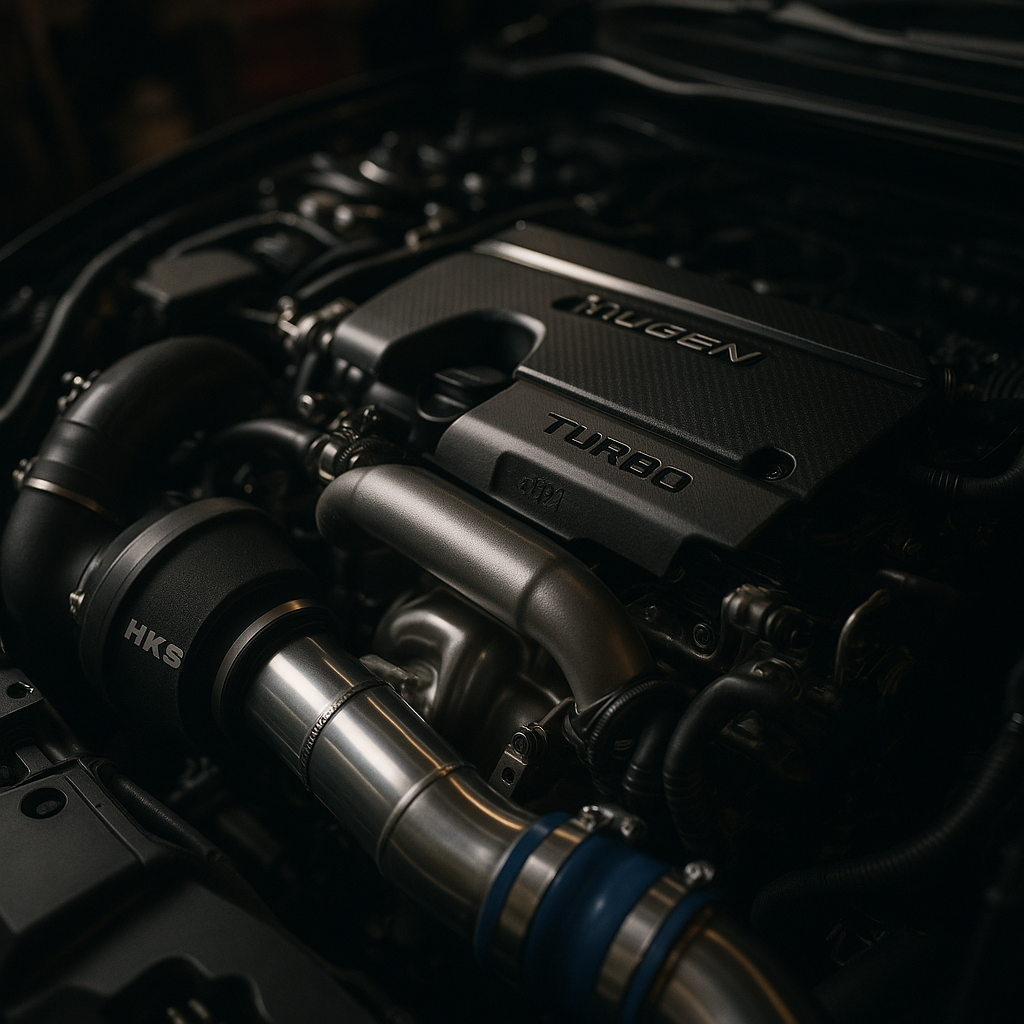
    JDM tuned engine bay detail representing the tuning potential in the JDM vs European hot hatches 2026 comparison
    JDM tuned engine bay detail representing the tuning potential in the JDM vs European hot hatches 2026 comparison

    Style and Street Cred: The Culture Factor

    Ask any car show regular and they will tell you: JDM builds draw crowds. There is a visual language to JDM culture, from Volk Racing TE37 wheels to Recaro buckets, to carbon fibre bonnets and tasteful aero kits, that feels genuinely earned rather than badge-engineered. The enthusiasm around JDM cars in the UK is deeply tied to a subculture that spans gaming, streetwear, and motorsport. Owners know their cars intimately because they have usually had to work for them.

    European hot hatches carry their own prestige, particularly the Golf R, which remains the benchmark for understated fast-car credibility in certain circles. A well-specced Megane RS in Cup chassis trim looks purposeful and properly serious. But European hot hatches tend to attract a different crowd: people who want performance without the project-car commitment. That is entirely valid, but it does affect the culture that forms around them. Street cred in the enthusiast world still leans JDM.

    Real-World Driver Opinions in 2026

    Speaking to owners at UK track days and shows this year, a recurring theme emerges. JDM owners love their cars because of the relationship they have built with them. One FL5 Type R owner described it as the best driving experience he had found under £50,000, full stop. An Evo IX owner running a modified 380bhp setup talked about how accessible the platform had been to tune over five years of ownership.

    Golf R and Megane RS owners, on the other hand, consistently praise the all-weather usability, the ride quality on standard roads, and the ease of ownership. A Megane RS Trophy owner based in Scotland noted that she uses her car daily, rain or shine, without compromise. Both sides have deeply satisfied drivers, which tells you something important: these are different tools for different enthusiasts rather than a clear winner on every front.

    Which Should You Choose?

    When settling the debate of JDM vs European hot hatches in 2026, the honest answer depends on what you want from car ownership. If tuning potential, cultural depth, and mechanical engagement matter most, a JDM import will reward you in ways a European hot hatch simply cannot match. If daily refinement, dealer support, and consistent performance in all conditions are the priority, the Golf R or Megane RS are genuinely excellent choices. What is beyond doubt is that both sides of this argument are producing some of the most exciting fast cars available to UK enthusiasts right now, and the fact that the debate still rages is proof that passion for driving is very much alive.

    Frequently Asked Questions

    Are JDM imports legal to drive on UK roads?

    Yes, JDM imports can be legally registered and driven in the UK, provided they pass an Individual Vehicle Approval (IVA) test or are imported under the DVLA’s standard import process. Many grey-market Japanese cars are right-hand drive, which makes the process considerably smoother. It is worth using a reputable import specialist to handle compliance and registration.

    Which is faster, a JDM hot hatch or a European hot hatch?

    It genuinely depends on the specific models being compared. The Honda Civic Type R FL5 and Volkswagen Golf R trade very close lap times at UK circuits, with results varying based on driver style and circuit layout. JDM cars often excel in driver feedback and tuning headroom, meaning a modified JDM car will frequently outpace a standard European rival on track.

    How much does it cost to import a JDM car to the UK?

    Costs vary significantly depending on the model and its age. Import duties, shipping, IVA testing, and any necessary modifications to meet UK regulations can add between £2,000 and £6,000 on top of the purchase price. Budget imports can be found from around £8,000 to £15,000 for older classics, while modern JDM performance cars like the Civic Type R can exceed £35,000 when imported.

    What are the best JDM cars for tuning in 2026?

    The Honda Civic Type R (FK8 and FL5), Subaru Impreza WRX STI, and Mitsubishi Lancer Evo IX and X remain the most popular JDM tuning platforms in the UK. All three have enormous aftermarket support, well-documented tuning paths, and active owner communities. The Nissan Skyline GT-R also remains a favourite for high-power builds, though parts availability is more specialist.

    Is the Volkswagen Golf R better than the Honda Civic Type R?

    They serve slightly different purposes. The Golf R offers four-wheel drive, everyday refinement, and a more discreet image, making it an exceptional all-rounder. The Civic Type R delivers a more intense, driver-focused experience with sharper steering and one of the best manual gearboxes in the segment. Most track-focused enthusiasts lean towards the Type R, while those prioritising daily comfort and all-weather performance often prefer the Golf R.

  • Search Engine Tuning for Petrolheads: How Car Culture Rules the Web

    Search Engine Tuning for Petrolheads: How Car Culture Rules the Web

    If you live and breathe cars, you have probably felt the effect of search engine tuning without even realising it. The builds you see on your feed, the street racing clips that go viral, the tuning guides everyone shares on forums – they are all shaped by how content is discovered and ranked online.

    What is search engine tuning in car culture?

    In the car world, search engine tuning is all about how motoring content is written, structured and presented so it actually shows up when enthusiasts go hunting for ideas. Whether someone types in “best turbo for MX-5”, “night street racing UK” or “cheap track car build”, the results they see are the outcome of hundreds of tiny decisions made by content creators and publishers.

    It does not replace real-world knowledge, spanner time or track experience. Instead, it decides which voices are heard first. That might be a grassroots drifter sharing setup notes, a boy racer showing off his first big build, or a pro motorsport team breaking down their latest aero package.

    How search engine tuning shapes what we modify

    Spend an evening scrolling through build threads and you will notice patterns. Certain coilovers get recommended over and over. The same remap companies keep popping up. Some platforms suddenly explode in popularity as “the” car to buy for a budget project. Much of this is because guides, reviews and videos about those parts and cars have been carefully crafted to be easy to find.

    For example, if hundreds of pages are tuned around phrases like “stage 2 remap Fiesta ST” or “best exhaust for Golf GTI”, then newcomers searching those terms will be funnelled towards the same options. Before long, meet car parks and track days are full of similar builds, because the online world has nudged everyone in the same direction.

    Street racing, trends and online visibility

    Street racing culture has always evolved fast, but the internet has turned the dial to 11. Clips that hit the top of search results or recommended lists can set the tone for what is considered cool: certain bodykits, wheel fitments, flame maps or launch control antics. When creators understand search engine tuning, they can make sure their content is front and centre when people look up “night meets”, “dual carriageway pulls” or “tunnel runs”.

    That visibility has a knock-on effect. Local scenes copy what they see online, and within months a trend that started in one city can be spotted on industrial estates and retail parks across the country. The loudest content does not always show the smartest or safest driving, but it definitely shapes the look and feel of the boy racer scene.

    Motorsport coverage and the battle for attention

    Motorsport has its own fight for screen time. From grassroots club racing to top-tier series, teams and organisers rely on being found when fans search for race results, onboard laps or technical breakdowns. Those that take search engine tuning seriously tend to dominate the conversation, simply because their reports, highlight reels and analysis pieces are easier to discover.

    That can be good news for underdog drivers and small teams. A well-written race report or a detailed setup article that answers the exact questions fans are typing in can punch far above its weight, pulling in attention that used to be reserved for the big factory outfits.

    How car enthusiasts can use it without losing the soul

    You do not need to become a marketer to benefit from search engine tuning. A few simple habits help your content reach more like-minded petrolheads:

    • Use the phrases you would actually type into a search box when you title your build threads or videos.
    • Explain your mods clearly, step by step, so your posts answer real questions other owners have.
    • Add specific details – chassis codes, engine codes, tyre sizes, track names – that people commonly search for.
    • Be honest about what works and what does not, so your content gets shared and bookmarked.

    The goal is not to water down car culture, but to make sure the most useful, authentic voices rise to the top instead of being buried under clickbait and copied content.

    Modified performance cars cruising at speed reflecting online trends shaped by search engine tuning
    Motorsport fans at a track day documenting tuned cars influenced by search engine tuning

    Search engine tuning FAQs

    How does search engine tuning affect car enthusiasts?

    Search engine tuning affects car enthusiasts by deciding which guides, build threads, videos and news stories appear first when they search for ideas. That influences which parts become popular, which cars are seen as the best project bases, and which scenes and events gain attention.

    Can small car creators benefit from search engine tuning?

    Yes. Smaller creators, clubs and teams can benefit by using clear, descriptive titles and detailed explanations that match what people actually search for. When content directly answers common questions about specific cars, mods or tracks, it has a better chance of being discovered and shared.

    Is search engine tuning ruining car culture?

    Search engine tuning is a tool, not a replacement for real car culture. It can amplify shallow trends, but it can also give a platform to knowledgeable enthusiasts and grassroots motorsport if they share detailed, honest content. Used well, it helps the best information and most interesting builds reach a wider audience.