

Budget coilovers UK buyers can order online for a few hundred pounds have become the default first mod for a lot of young drivers, and the people most affected are those daily-driving a lowered hatchback on potholed council roads. The cheap kit is not the problem on its own. Wrong ride height, a rushed fitment and no alignment are what turn a £300 upgrade into a four-figure bill.
Here is a step-by-step guide to doing it properly, with the reasoning behind each step.

Why budget coilovers are so popular in the UK
The appeal is simple. A set of adjustable coilovers costs far less than a quality branded set, lowers the car in one go and looks the part. Compared with original suspension, they promise a stance and a sharper feel without a big spend.
The catch is our roads. Councils across England and Wales have been dealing with a pothole and patching backlog for years, and the Asphalt Industry Alliance’s annual ALARM survey has repeatedly reported a multi-billion-pound shortfall in road maintenance funding. A cheap damper with a short stroke and a very low car will hit its bump stops constantly on that sort of surface. Standard suspension is tuned for exactly this kind of abuse. A lot of budget kits are not.
How do you choose budget coilovers without regretting it?
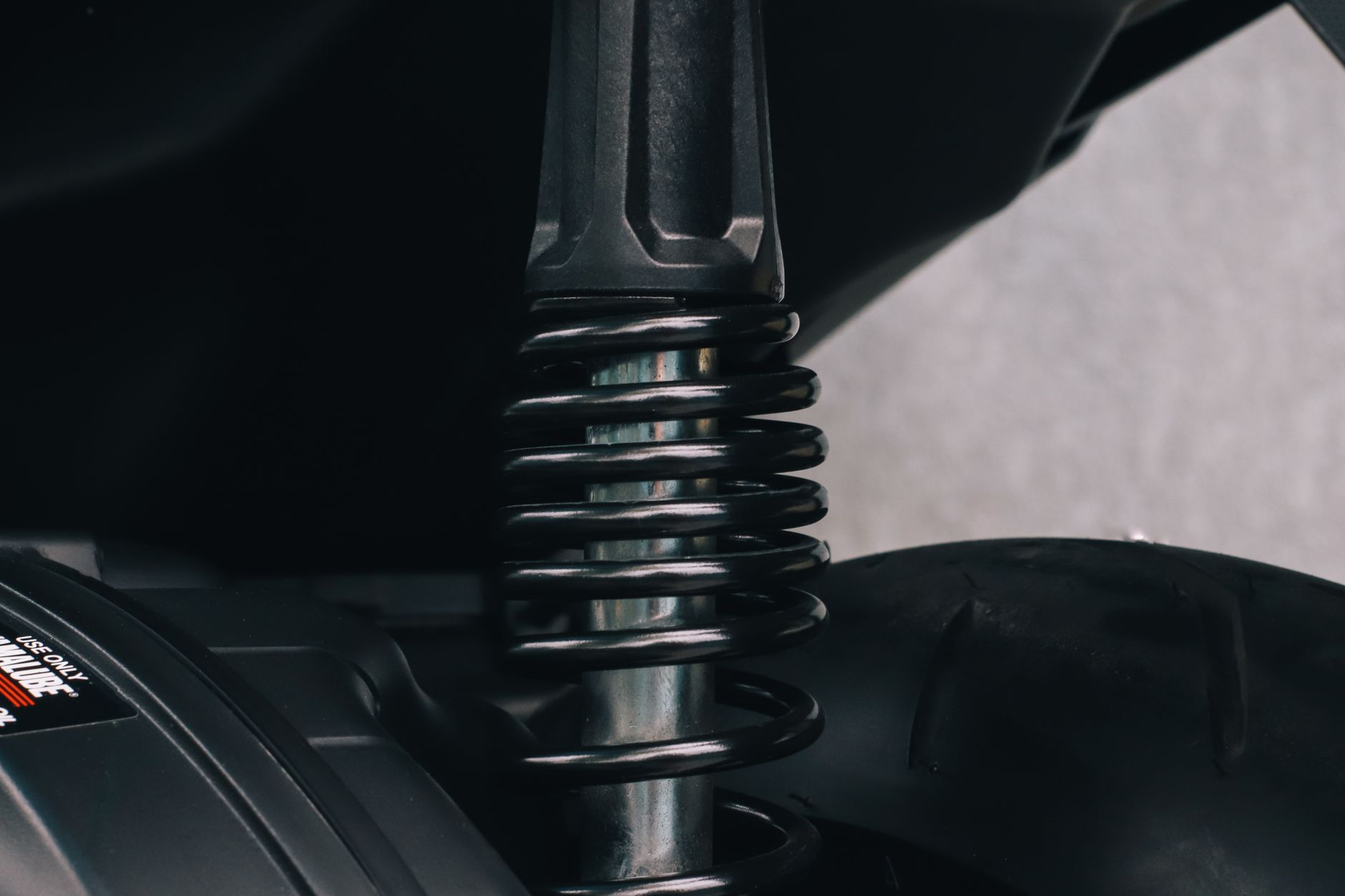
Choose a kit that matches your car’s weight and your actual use, not the lowest drop on the box. Cheap sets are usually one of two types: fixed-damping sleeve kits, or height-adjustable kits with a basic damper. Neither is automatically bad, but spring rates and damping quality vary a lot.
Better-known budget-friendly names in the UK scene include BC Racing, Tein (in its entry-level ranges), Ksport and Gaz, with Japanese brands such as HKS and Bilstein sitting well above budget money. The difference is mostly in damper valving, corrosion protection and how well the kit is documented. Read owner reports for your exact model before you buy.
The step-by-step fitting guide
- Inspect the old suspension and mounts first. Worn top mounts, anti-roll bar links and bushes will make new coilovers feel awful and wear out quickly. Replace tired parts while everything is apart, because the labour overlaps.
- Check the kit against your car. Confirm the exact model, year and wheel size. Some kits suit only certain trims, and a wrong-length damper will bottom out immediately.
- Set a sensible ride height before fitting. Do not wind it as low as it goes. Leave enough shock travel for potholes and speed bumps. A modest drop gives you most of the look without wrecking the ride.
- Fit with a torque wrench. Follow the manufacturer’s torque figures for the top mount nuts, lower bolts and arm bolts. Under-tightened suspension bolts are an MOT and safety problem.
- Tighten final bolts at ride height. Bushes should be tightened with the car’s weight on the suspension. Doing it with the wheels hanging in the air pre-loads the rubber and shortens its life.
- Re-check the spring seats and lock rings. Make sure the lock rings are tight and the spring is seated properly, with no rubbing on the tyre or arch liner.
- Get a four-wheel alignment. Lowering changes camber and toe. Skipping this is the quickest way to scrub a pair of tyres in a few thousand miles.
- Re-check after a few hundred miles. Settling springs and bedding bushes loosen things. Check the height and the bolts again.
What do coilovers do to your MOT?
Coilovers do not fail an MOT simply for being coilovers. Testers check for corrosion, leaking dampers, insecure mountings, tyres rubbing on bodywork and anything that makes the suspension unsafe. The official test manual and inspection guidance are on GOV.UK. We have covered the specifics in more detail in our guide to coilovers and the MOT, and the failures being flagged on lowered cars are in our piece on suspension changes that fail cars.
I would not trust any quoted national pass rate for coilover-fitted cars, because the DVSA does not publish one broken out by modification. What matters is the condition of your own install.
The hidden costs of getting it wrong
Incorrect fitment costs money in several ways. Tyres wear unevenly on the inside edge, and a set can be ruined well before it should. Worn wishbone bushes, ball joints and driveshaft joints can follow when a car runs at extreme angles. A damper that blows after a winter of potholes means doing the labour twice.
Then there is insurance. Suspension changes are a declarable modification, and failing to tell your insurer can put a claim at risk. Our piece on declaring modifications to your insurer explains how that plays out.
Fitment records and parts data
If you sell parts, or just want to be certain a kit fits your exact car, accurate vehicle data matters. Specialist suppliers use systems like those offered by dijitul Automotive to match parts to the right vehicle, which is exactly the kind of check that stops a wrong-length damper reaching a driveway. Private buyers can do the same by checking the part number against the car’s VIN and trim rather than trusting a generic listing.
My advice
Spend a little more than the cheapest listing, keep the drop modest, replace worn parts at the same time and book the alignment before you drive far. A moderately lowered car on a decent kit will outlast and outperform a slammed one on a bargain set, and it will still look good parked outside a meet.

Leave a Reply