
Aftermarket suspension MOT failure rates have climbed noticeably in 2026, and if you’ve recently had a coilover setup or a set of lowering springs rejected at the testing station, you’re not alone. I’ve spoken to a handful of enthusiasts at shows this year who genuinely didn’t see it coming. Their cars had been running the same setup for two seasons, sailed through previously, and then suddenly got pulled up on a Monday morning in a way that left them baffled. What changed? A combination of stricter tester guidance, updated DVSA inspection manuals, and a lot more awareness at the front line about what modified suspension actually looks like.
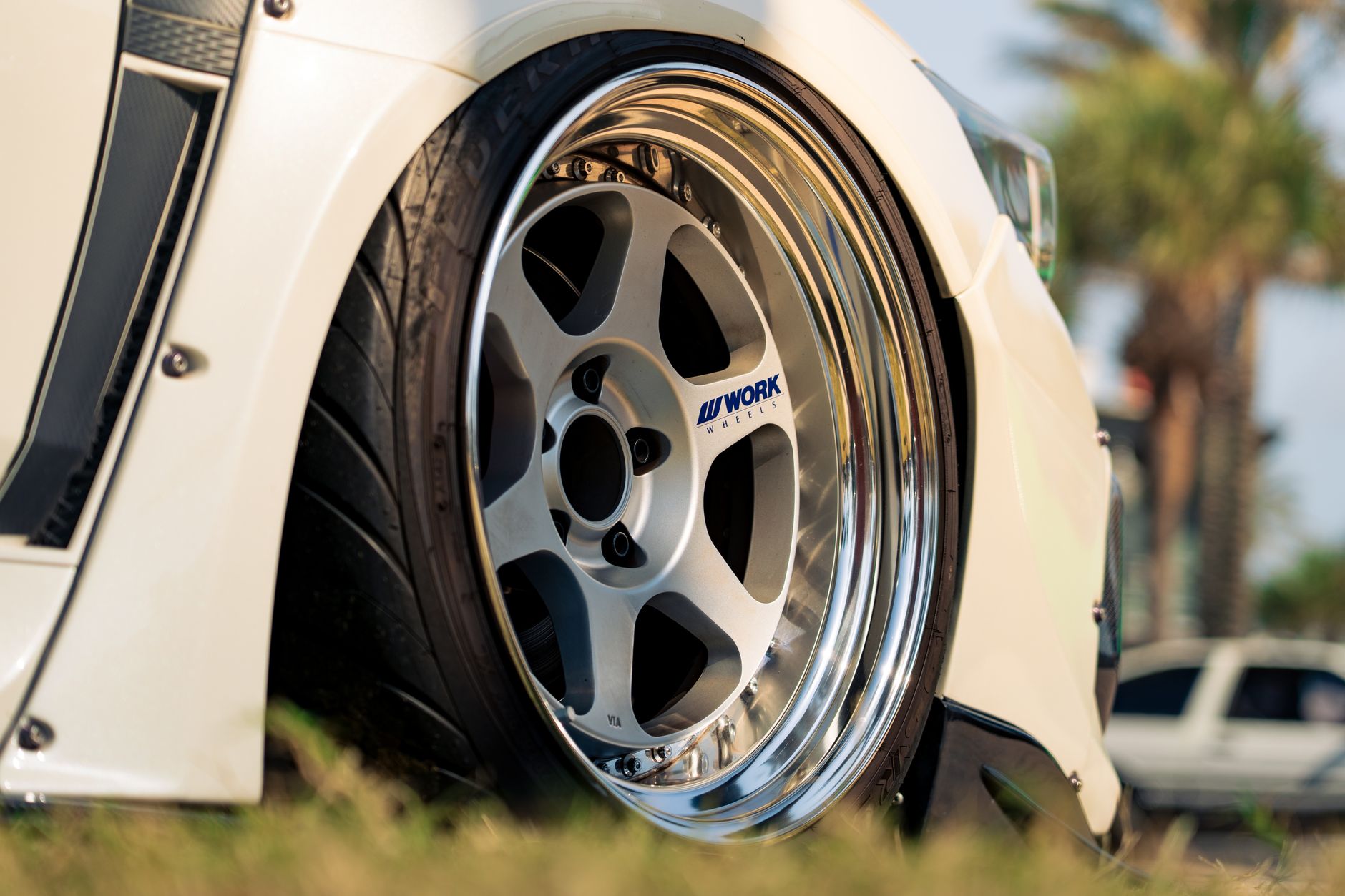
This isn’t a scare piece. Most well-fitted aftermarket suspension will pass the MOT fine. But the margin for error is narrower than many enthusiasts assume, and there are some very specific things that testers are now paying attention to that they previously let slide. Let’s go through the actual checks, the numbers that matter, and which bits of your setup are most likely to cause problems.
What the DVSA inspection manual actually says about ride height
The DVSA’s MOT inspection manual for private passenger vehicles doesn’t set a specific minimum ride height in millimetres. That surprises a lot of people. What it does require is that the suspension has adequate travel, that bump stops aren’t fouling the bodywork or subframe under normal loading, and that the steering geometry hasn’t been adversely affected to the point where control is compromised. So the tester isn’t measuring your car with a tape measure at the arch; they’re assessing function and clearance. That said, function and clearance become very hard to demonstrate when your car is sitting on the bumpstops with 20mm of suspension travel left.
The issue is that some coilover setups, particularly cheap imports and no-name kits bought through certain online marketplaces, are sold at minimum height settings that put the car in exactly that position. I’ve seen cars arrive at dyno days where the front tyres are contacting the inner arch lining on full lock. That’s an instant MOT advisory at best, a failure at worst, depending on what else the tester finds. If you’ve bolted your kit in and it’s visibly sitting on its bump stops at ride height, you’ve got a problem before you’ve even booked the appointment.
Bump stop clearance and why testers are checking it harder in 2026
Bump stop inspection has tightened up. Under the current guidance, a tester can fail a vehicle where the suspension has insufficient bump travel to safely absorb normal road loads. In practice, this means the tester will check whether the bump stop is already in contact with the strut top or wishbone at static ride height. If it is, the suspension can’t absorb any further compression, which creates a handling risk and a potential structural concern.
Coilover kits from reputable manufacturers like Bilstein, KW, and Öhlins are engineered with this in mind. Their minimum height settings are calibrated to retain a sensible amount of bump travel. That’s one of the main reasons they pass. Some of the cheaper kits, particularly those sold with aggressive advertising around “slammed” fitment, make no such provision. When you wind them down to their lowest collar position, you’ve used up the travel entirely. This isn’t just an MOT issue; it’s a chassis dynamics issue. The ride becomes crashy, the car becomes unpredictable over potholes, and the structural loads go places they shouldn’t.
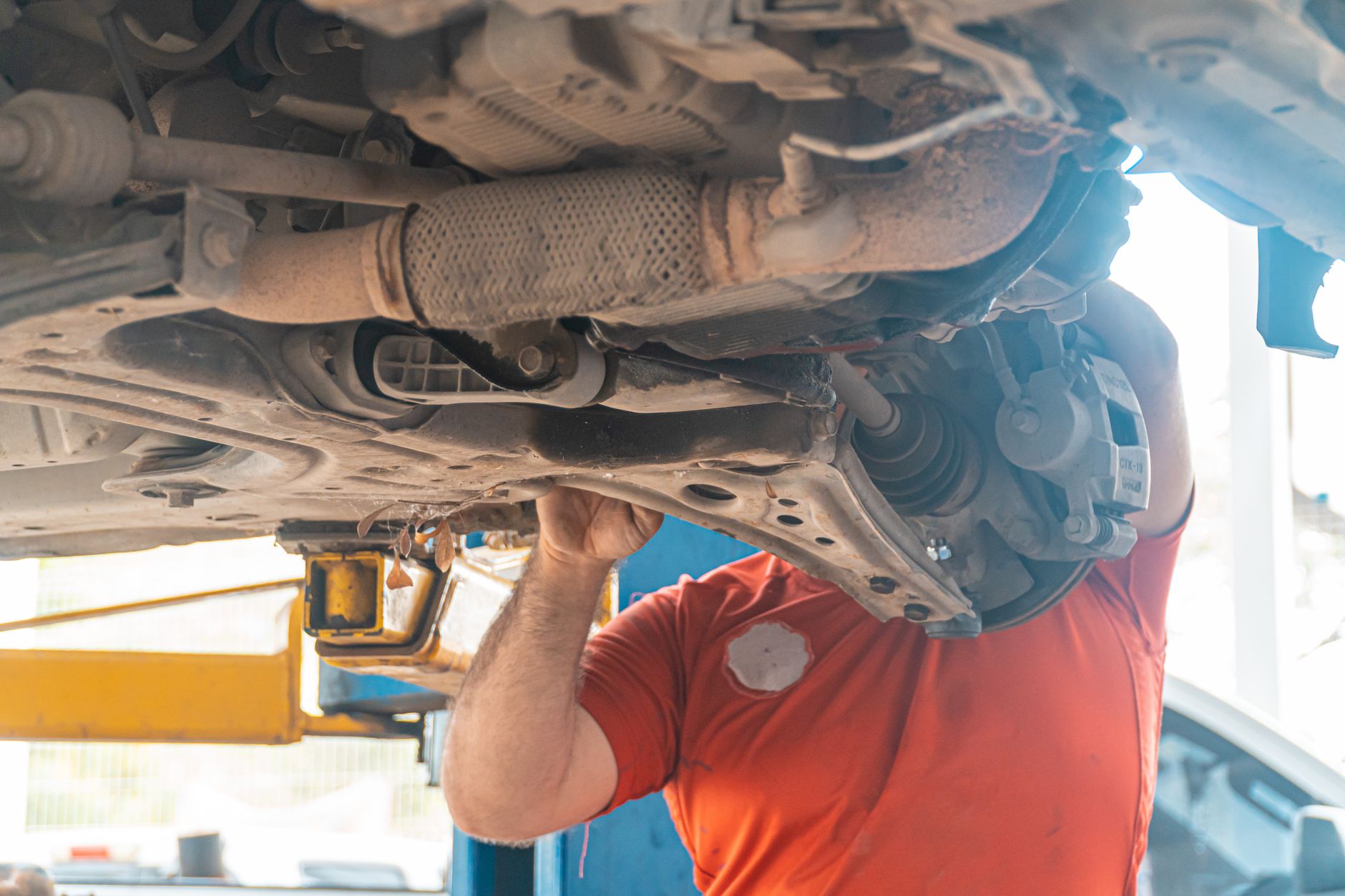
Tyre-to-arch contact and steering lock checks
One of the first physical checks a tester will make on a lowered car is to turn the steering wheel lock to lock and watch what happens. Tyre contact with the inner arch, with the arch liner, or with suspension components is a failure point. This is especially relevant for cars that have been lowered and then fitted with wider wheels and tyres. The combination of reduced ride height, increased wheel offset, and larger section tyres eats into clearance from multiple directions simultaneously.
I’d argue this is where most enthusiasts get caught out, not by the coilovers themselves, but by the combination of mods they’ve added. A 20mm drop on its own is usually fine. A 20mm drop plus 10mm spacers plus 245-section tyres on a car designed for 205s is a completely different situation. If you’ve declared your modifications to your insurer (and the cost of doing that is already painful enough), at least make sure the physical setup can survive the MOT bay first.
Which coilover brands are passing and why
From what I’ve seen and heard this year, Bilstein B14 and B16 kits, KW Variant 1 through 3, Öhlins Road and Track, and Eibach Pro-Dampers are consistently clearing MOTs without issue when fitted correctly. These are engineered to road-legal standards, include detailed fitment data, and ship with appropriate bump stop provision at their lower height settings. BC Racing and Stance+ have more mixed results. Both can pass absolutely fine when set at sensible ride heights, but both have a reputation in the scene for being wound down aggressively by their owners, which is where the failures start.
Coilovers from less established brands sold on eBay or through social media sellers are the biggest gamble. I’ve seen gorgeous-looking kits that have come with no engineering data, no dyno curve, no published spring rate, and ride height minimums that immediately bring the car onto its bumpstops. Some are physically unsafe at those settings, full stop. The savings versus a Bilstein kit can look attractive until you’re paying for a second MOT and a refit. For anyone researching kit options, there’s a solid breakdown of stripped-out build priorities in our piece on why UK enthusiasts are returning to stripped-out track weapons, which touches on the trade-offs between street and circuit setups.
Spring rate and what testers can and can’t assess
Testers cannot directly measure spring rate. They don’t have the equipment and it’s not in the inspection criteria. But they can observe the effect of an excessively stiff spring indirectly, through lack of suspension movement during the brake performance test, through visible coil bind during the roller test, and through the visual check of suspension geometry under load. Coil bind specifically is a flag. If your spring is at solid height under normal static load, the suspension is essentially rigid at that corner, which is a handling hazard and a failure reason.
Lowering springs fitted to standard dampers are a different category of problem. The spring rate from an aftermarket lowering spring almost always mismatches the damper valving it was designed around. The result is a setup that bounces, wallows, or sits on its bump stops inconsistently. Standard dampers compressed beyond their designed travel range also wear far faster. Testers increasingly know what this looks like, particularly on common platforms like the Mk7 Golf, Civic FK8, and Fiesta ST where these setups are extremely common.
Practical things to check before your next MOT
Wind your coilovers up slightly before the test if you’re at the absolute minimum. Five millimetres of clearance genuinely matters. Check that bump stops are present and not compressed at static ride height. Turn the steering lock to lock in the drive and watch all four corners. Look for any tyre-to-arch contact and listen for rubbing. Check that your dampers aren’t leaking; a weeping damper is a fail regardless of what kit it is. And if you’ve recently fitted spacers or wider rubber, do those clearance checks with a mate sitting in the car to simulate load.
One thing I’d recommend is building the whole prep process into a broader pre-MOT regime. We covered the full picture of what testers are flagging this year in our piece on aero mods and road legality, which pairs well with this if you’re running both a lowered stance and splitter or wing setup.
It’s also worth saying: getting your alignment set professionally after any ride height change isn’t optional, it’s what keeps everything within geometry tolerances the tester can observe. A good four-wheel alignment printout showing figures within manufacturer spec is useful to have. Some testers will ask, and presenting it shows you’ve done the job properly. For anyone sourcing parts or build inspiration, this provider is worth a look for enthusiast community resources alongside your build research.
The MOT is not the enemy of suspension mods. It’s a check that your car is safe on public roads. Set your kit up with that in mind, buy from manufacturers who engineer for road use, and you’ll sail through.
Frequently Asked Questions
Will lowering springs automatically fail an MOT in the UK?
No, lowering springs don’t automatically fail an MOT. The tester is checking for adequate suspension travel, no tyre-to-arch contact, no visible coil bind, and correct steering function. A well-fitted set of quality lowering springs at a sensible drop will usually pass without issue.
How low is too low for an MOT in the UK?
There’s no fixed minimum ride height in the DVSA inspection manual. The failure criteria are functional: insufficient bump travel, tyre contact with the arch or suspension components, and compromised steering geometry. In practice, any setup that is already sitting on its bump stops at static ride height is very likely to fail.
Why do some coilover brands pass the MOT and others get rejected?
Reputable brands like Bilstein, KW, and Öhlins engineer their minimum height settings to retain adequate bump stop clearance and suspension travel. Cheaper kits often have no such provision, meaning their lowest settings immediately compress the suspension to its limit, which is a failure reason under DVSA inspection criteria.