

There’s something deeply satisfying about a wide-body kit with a proper carbon front splitter and a chunky rear wing sitting flush on a road car. I get it. I’ve spent more Saturday mornings than I’d care to admit at car meets staring at exactly that combination. But the legal reality of running aftermarket aerodynamic modifications on a UK public road in 2026 is murkier than most people in the scene actually realise, and the consequences of getting it wrong can be brutal.
We’re not just talking about a sharp word from a traffic officer. We’re talking failed MOTs, insurance voids, Section 59 warnings, and in the worst cases, liability in a civil claim. So let’s go through it properly.
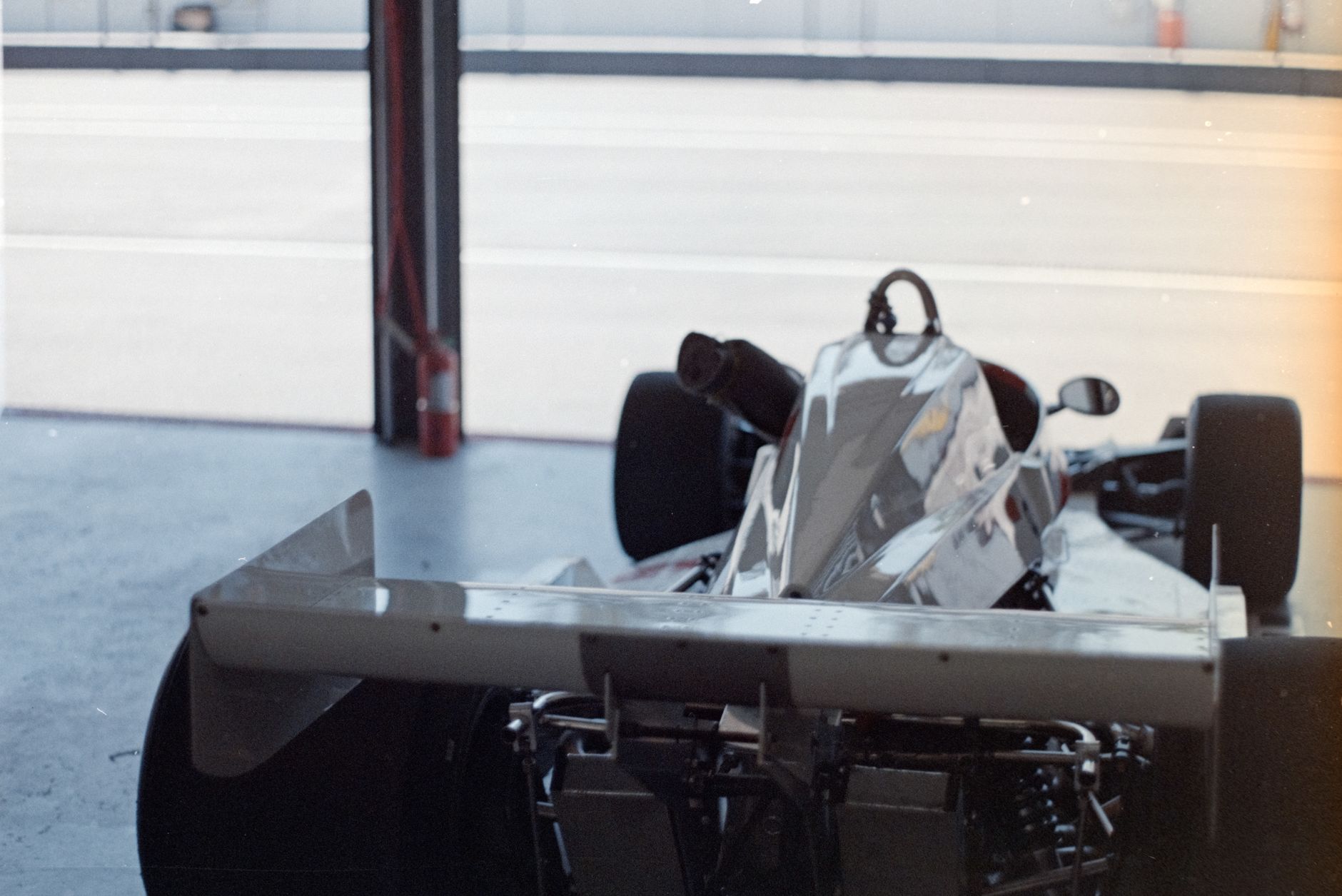
What the Construction and Use Regulations actually say about aero parts
The Road Vehicles (Construction and Use) Regulations 1986 are the core legislation that governs what you can legally bolt to a car in the UK. Most enthusiasts know vaguely that they exist. Far fewer have actually read them. Regulation 53 covers mascots, attachments, and projections, and states that no vehicle should carry any object likely to cause injury to other road users in the event of contact. That single sentence has enormous implications for aero parts.
A carbon fibre front splitter with a sharp leading edge? Potentially in breach. A low-mounted rear diffuser that creates a hazardous sharp edge at pedestrian leg height? Same problem. The regulations don’t name splitters or wings specifically, but the principle is clear: anything that projects outward from the vehicle and could cause injury is legally questionable without further engineering justification. This is the bit the scene tends to gloss over, and it’s where the risk actually lives.
Pedestrian safety rules and why your splitter might fail
Euro NCAP pedestrian safety ratings and the UN Regulation 127 framework (adopted into UK type approval through retained EU law) require that front-end structures deform in a way that absorbs energy during a pedestrian impact. Your stock bumper was engineered to do exactly that. Bolt a rigid carbon fibre splitter below it and you’ve potentially introduced a hard, unforgiving edge that could cause far greater leg and lower body injuries in a pedestrian collision.
This doesn’t automatically make every splitter illegal. Flexible polyurethane splitters that deform on impact sit in a far safer legal position than rigid carbon or fibreglass units. If yours is rigid and projects forward of the front bumper line, I’d genuinely encourage you to think about how you’d justify its fitment to an insurance assessor or a coroner’s court. That might sound dramatic, but it’s the actual legal landscape.
For modified car owners already navigating the insurance maze, the overlap with the cost of declaring modifications to your UK insurer is real. A splitter that your insurer wasn’t told about, and that later contributes to a pedestrian injury claim, is a catastrophic combination.

Rear wings: height, width, and the MOT question
Rear wings introduce a different set of problems. The Construction and Use Regulations set out maximum width rules (no part of the vehicle should exceed 2.5 metres for most cars), but a badly fitted or oversized wing can push a car outside these limits. Less obviously, high-mounted wings that extend beyond the rear bodywork can also conflict with the regulations on projections and create legitimate grounds for an MOT refusal.
MOT testers have been flagging aero fitments more aggressively since DVSA guidance was tightened, and I’ve spoken to owners who’ve been caught out by wings that passed one year and failed the next when the tester took a closer look. The specific grounds vary, but sharp edges on end plates, insecure mounting points, and obstructed lighting are the most common causes. If the wing blocks a reversing light or causes light scatter that reduces rear visibility, that’s an instant fail. Full stop.
If you’re already aware of how aggressive MOT checks on modified cars have become, the detailed breakdown of what UK testers are flagging in 2026 is worth reading before your next test date appears on the calendar.
Type approval and the Individual Vehicle Approval route
If you’re running a serious aero package, the cleanest legal route is Individual Vehicle Approval (IVA) through the DVSA. This is the process used when a vehicle or significant modification falls outside standard type approval. It’s not cheap, it’s not quick, and it involves a physical inspection at a DVSA-approved test station, but it does give you a documented legal basis for the modification that stands up to scrutiny.
Most road-going enthusiasts won’t go down this route for a bolt-on splitter or a modest GT-style wing. But if you’re running a full wide-body conversion with custom aero that substantially alters the car’s dimensions or frontal structure, IVA is not something you should dismiss out of hand. The alternative is relying on a legal grey area and hoping nobody looks too closely.
For Mitsubishi owners specifically, if you’re sourcing aero parts for a build, doing your homework on part quality and fitment matters enormously. Sites like mitzybitz.com specialise in exactly the kind of specific-model fitments where getting the dimensions right from the start saves a lot of headaches later.
What “road legal” actually means for aero parts
The term “road legal” gets thrown around constantly at shows and on forums. In the context of aftermarket aerodynamic modifications UK law, it’s almost meaningless without qualification. There’s no single certification mark for aero parts that guarantees compliance in the same way E-marked lighting does. A wing sold as “road legal” by a parts retailer generally means the seller believes it doesn’t obviously breach any regulation. It does not mean it has been tested, approved, or certified to any standard.
The responsibility sits entirely with the driver and registered keeper. If a police officer or MOT tester decides a fitment contravenes the Construction and Use Regulations, the “road legal” label on the box is worth nothing. You need to be able to point to a specific regulatory basis for why the part is compliant, and for many aftermarket aero parts, that basis is genuinely unclear.
Getting this right without killing the build
None of this means you can’t run a stunning aero setup on a road car. Plenty of UK builders do it brilliantly. The ones who avoid trouble tend to follow a few practical principles: they use flexible or deformable materials for lower front-end fitments rather than rigid carbon; they ensure wings are mounted securely with no sharp end plate edges and don’t obstruct any lighting; they declare every modification to their insurer in writing; and they get independent confirmation from a specialist or a Vehicle Single Approval scheme assessor before the car goes anywhere near a public road.
The exhaust noise debate has similar structural messiness to it, and if you’ve been following our coverage of what UK exhaust laws actually say, you’ll recognise the same pattern: regulations that predate modern aftermarket culture, enforcement that’s inconsistent, and real consequences for the drivers who assume nobody’s paying attention.
My honest take? The aero scene in the UK is brilliant, and I have zero interest in seeing people scale back their builds out of unnecessary fear. But knowing the actual legal position is what separates a builder who’s made informed choices from one who’s running a ticking clock of liability. Read the legislation. Talk to a specialist. And if in doubt, go flexible, go measured, and go documented.
Frequently Asked Questions
Are front splitters legal on UK roads in 2026?
It depends on the material and design. Flexible or deformable splitters are in a much safer legal position than rigid carbon or fibreglass units, which can breach the Road Vehicles (Construction and Use) Regulations 1986 if they create sharp projections likely to cause injury. There’s no blanket ban, but the onus is on the driver to demonstrate compliance.
Can a rear wing cause an MOT failure in the UK?
Yes. Wings with sharp end plate edges, insecure mounting, or positions that obstruct rear lighting are grounds for an MOT refusal. DVSA testers have been applying closer scrutiny to aftermarket aero fitments, so ensure your wing is solidly mounted, doesn’t block any lights, and has no edges that would fail the sharp projection test.
Do I need to tell my insurer about aftermarket aero parts?
Yes, absolutely. Any modification to your vehicle’s standard specification, including splitters, wings, diffusers, and wide-body kits, must be declared to your insurer. Failing to do so can void your policy entirely, leaving you personally liable in the event of a collision.
What is Individual Vehicle Approval and do I need it for aero modifications?
IVA is a DVSA scheme that certifies vehicles or significant modifications that fall outside standard type approval. It’s not required for minor bolt-on parts, but if your aero modifications substantially alter the car’s dimensions or frontal structure, it’s the cleanest way to establish a documented legal basis for the build.
What does 'road legal' actually mean for aftermarket aero parts in the UK?
Very little on its own. There’s no official certification for aftermarket aero parts comparable to E-marked lighting. A “road legal” label from a retailer reflects the seller’s belief that the part doesn’t obviously breach regulations, but legal responsibility sits entirely with the registered keeper and driver.
Leave a Reply