
There’s something about a clean private plate on a built car that just hits different. Whether it’s a slammed Civic on air ride, a stanced Golf R, or a tuned Supra sitting on a set of Volk Racing TE37s, the right plate pulls the whole look together. The personalised number plates UK car scene has grown into something genuinely serious in 2026, with enthusiasts dropping serious money to get that perfect combination before anyone else does. And the prices? They’ve gone properly wild.
We’re not just talking about vanity here. For a lot of builds, a private plate is part of the identity. It’s the finishing touch, like the right set of wheels or a tasteful body kit. But the market has matured, the competition at DVLA auctions has sharpened, and the rules around transfers are catching out buyers who haven’t done their homework. Let’s get into it.
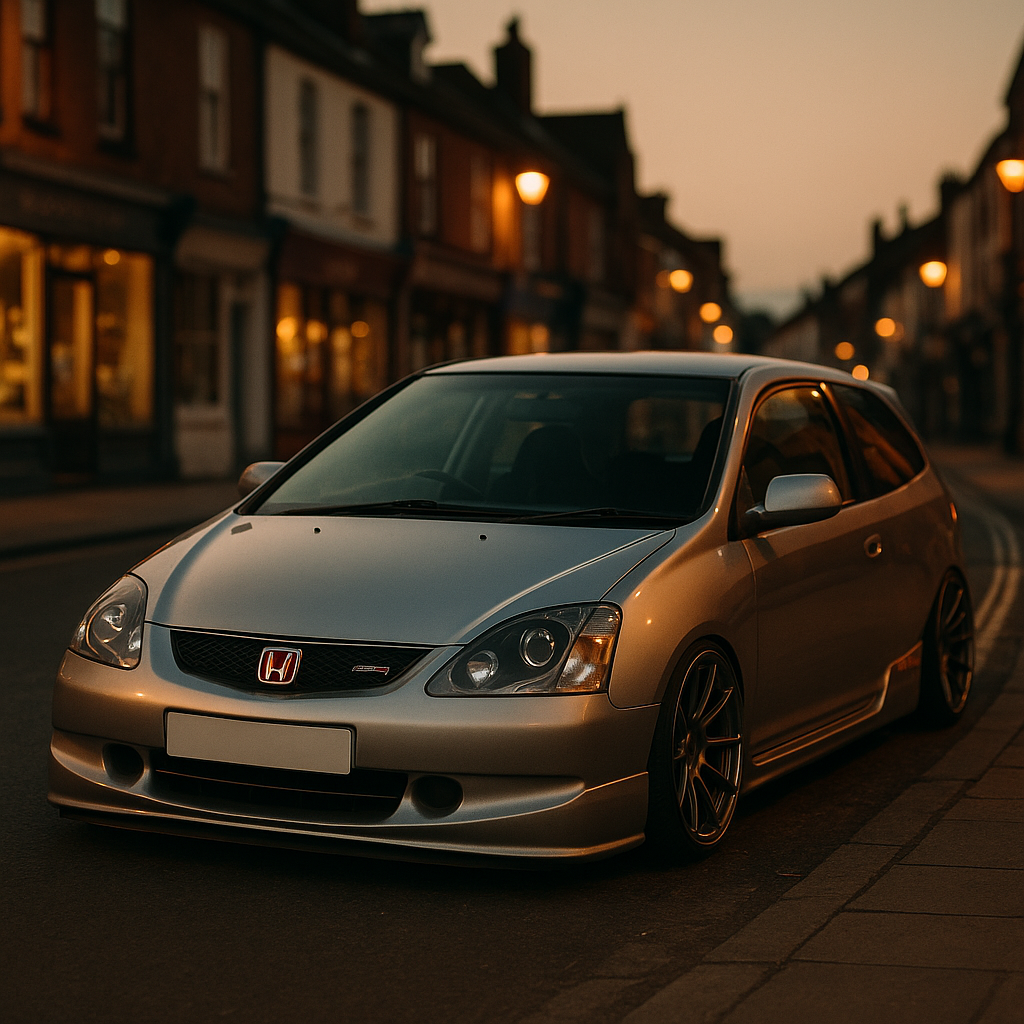
What Are Car Enthusiasts Paying at DVLA Auctions in 2026?
The DVLA holds regular online auctions throughout the year, releasing new and previously retained registrations to the public. In 2026, the bidding is fierce. Short plates, initials with meaningful numbers, and anything that spells out a word are all going for premium sums. Budget plates that open at around £250 regularly climb past £1,000 when two or three bidders want the same combination. The truly desirable stuff, think two or three character plates, can hit five or six figures without breaking a sweat.
Some recent examples from the DVLA’s own auction listings show number plates fetching between £3,000 and £18,000 for mid-tier personalised options. Premium single-digit or two-character combinations have historically sold for hundreds of thousands at specialist auctions. The DVLA itself published figures showing that private plate sales generate well over £100 million annually for the government. That’s not a niche hobby. That’s a legitimate secondary market.
For the car scene specifically, plates that reference makes, models, or tuning culture command a premium. Anything with “GTI”, “STI”, “R32”, “EVO”, or names that mirror popular JDM or Euro hot hatch culture gets snapped up fast. If you’re after something clean for your next build, you need to be quick and you need a budget in mind before you start bidding, because it’s easy to get caught up in the moment.
Which Private Plates Are Trending in the UK Scene Right Now?
The personalised number plates UK car scene is its own ecosystem with its own trends. Right now, a few categories are particularly hot.
Short and clean combinations
Anything under five characters that doesn’t look like a standard issued plate is gold. Think “R 1”, “B 20”, “MR 5”. The shorter the combination, the more universally it can sit on different builds without looking out of place.
Name plates on performance cars
Plates that spell out first names or short surnames are consistently popular at car meets from Castle Combe to Japfest at Donington. Lads who’ve spent years building their car want their name on it. Simple as that. “D4 VID”, “J4 MES”, “R1 LEY” style plates are regularly listed on Regtransfers and similar resale platforms for £800 to £5,000 depending on the name’s desirability and visual cleanness.
Engine and tuning reference plates
“2 JZ”, “RB 26”, “K 20” style plates are basically currency in some circles. If you’ve built a proper 2JZ swap or you’re running a K-series Honda, having a plate that references your engine is the kind of detail that gets noticed at track days and car shows alike. These go fast at auction and rarely sit long on the second-hand market.
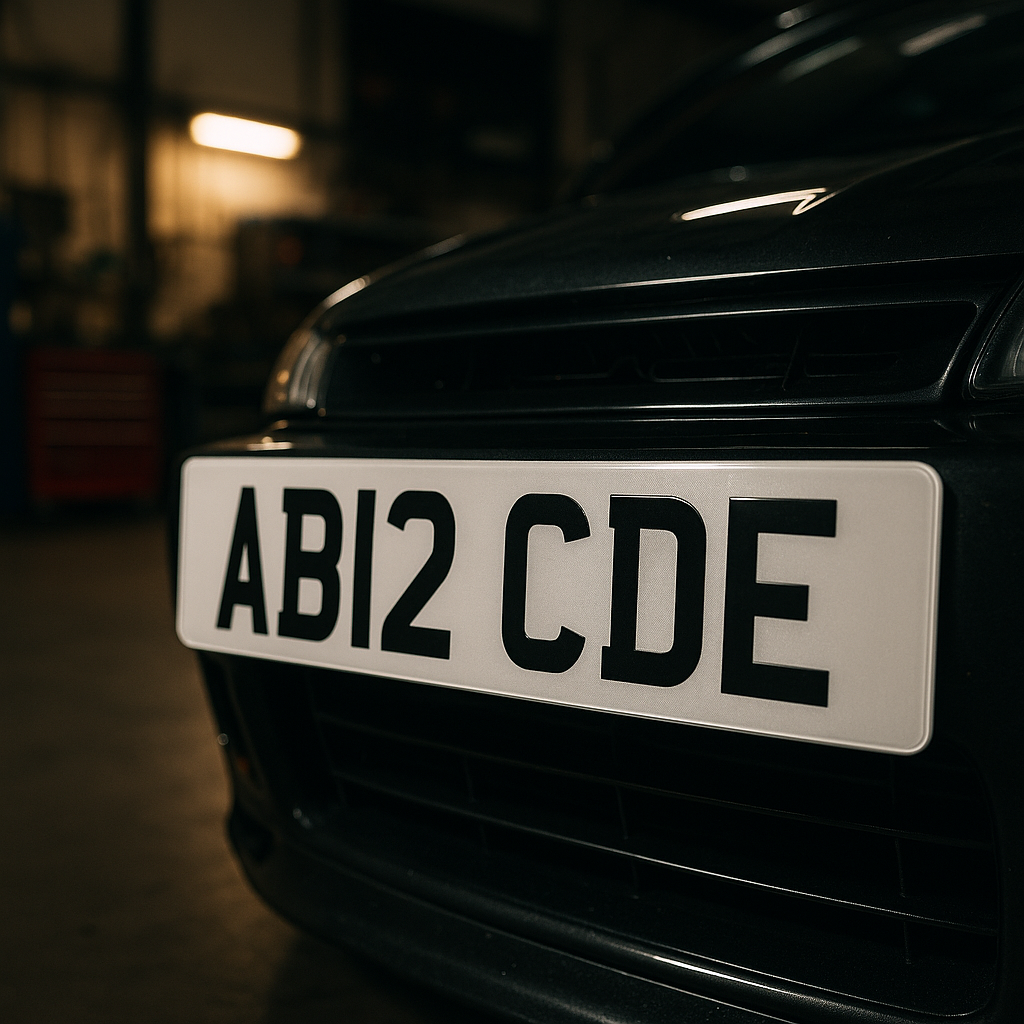
The Transfer Rules That Catch UK Buyers Out
Here’s where people genuinely come unstuck. Buying a private plate is one thing. Getting it onto your car legally and correctly is another. The DVLA has specific rules around number plate transfers that aren’t always obvious, especially to first-time buyers.
The biggest mistake people make is buying a plate that’s newer in date than the vehicle they want to put it on. The DVLA does not allow you to transfer a plate that would make a vehicle appear newer than it actually is. So if your car is a 2003 Honda Civic and the plate carries an “06” or later year identifier, you can’t put it directly on that car. The way around it is to assign the plate to a retention certificate first, effectively taking it off any vehicle for up to ten years, which costs £25.50 on top of the transfer fees. A lot of buyers skip this step and then face headaches getting the transfer approved.
Transfer fees via the DVLA currently sit at £80 for a standard assignment. You’ll also need a V5C logbook for the vehicle receiving the plate, a valid MOT if the car is more than three years old, and valid vehicle tax. Missing any of these means the transfer won’t go through. It sounds obvious but it trips people up constantly, especially when buying second-hand plates through private sellers rather than going through the official DVLA service.
There’s also the question of cherished transfers from personalised plate dealers. Companies like Absolute Reg or Regtransfers act as intermediaries and manage much of the paperwork, which is why a lot of enthusiasts use them despite the slightly higher prices compared to bidding directly. For a first-timer, the admin support is genuinely worth the extra cost.
You can check everything you need to know about plate transfers directly through the DVLA’s official personalised registrations guidance on gov.uk, which covers the full process including what happens if a vehicle is scrapped or exported.
Is Buying a Private Plate a Good Investment for Car Enthusiasts?
Short answer: it can be, but don’t buy one expecting guaranteed returns. The top end of the market, the single-digit plates, the single-letter combinations, the three-character dateless plates, has shown genuine long-term appreciation. Some of those plates have tripled in value over fifteen years. But mid-range personalised plates are more volatile. Their value is tied to how desirable the combination is, and tastes change.
In the personalised number plates UK car scene context, a plate that’s genuinely cool in 2026 might feel dated by 2031 if the car culture it references shifts. Buying something clean, short, and universally readable is a safer bet than chasing a very specific reference that only makes sense right now. That said, if you’re buying it for your build and the investment angle is secondary, just get what you want. Life’s too short to drive a clean car with a boring plate.
Before You Bid: What to Know in Advance
Set your ceiling before you open the auction browser. Bidding wars are real and the dopamine hit of winning clouds judgement fast. Decide what the plate is worth to you and stick to it. Factor in the £80 transfer fee and any dealer commission if you’re going through a third party. Check the DVLA’s retained registrations list to see what’s coming up. And always verify the age restriction issue against your car’s year before you get attached to a specific combination.
Private plates are one of those details that separate a thoughtful, finished build from a random street car. Done right, it adds character. Done wrong, it adds paperwork headaches and a lighter wallet with nothing to show for it. Know the rules, know your budget, and get something that actually fits the car. The scene will notice.
Frequently Asked Questions
How much does it cost to buy a personalised number plate in the UK?
Costs vary enormously. DVLA auctions start from around £250 for basic combinations, but popular plates regularly sell for thousands. The most sought-after dateless or short plates can fetch tens of thousands at specialist auctions. On top of the purchase price, you’ll pay an £80 DVLA transfer fee to assign it to your vehicle.
Can I put a newer plate on an older car?
No. DVLA rules state you cannot assign a registration that would make a vehicle appear newer than its actual age. If you want to keep the plate without putting it on an older car straight away, you can retain it on a certificate for up to ten years, which costs £25.50 via the DVLA.
How do I transfer a personalised number plate to my car?
You’ll need the vehicle’s V5C logbook, a valid MOT if the car is over three years old, and current vehicle tax. Submit a transfer application through the DVLA either online or by post and pay the £80 assignment fee. The process typically takes a few days to a few weeks.
Where can I find trending private plates in the UK car scene?
The DVLA’s own auction site releases new combinations regularly and is the primary source. Specialist resellers like Regtransfers and Absolute Reg also carry large inventories of second-hand plates. Car meets, forums, and social media groups dedicated to JDM or Euro car culture are good places to spot what combinations are currently in demand.
Are personalised number plates a good investment?
Top-tier dateless and short character plates have shown strong long-term appreciation and some have tripled in value over fifteen years. Mid-range personalised plates are less predictable. If investment is your primary goal, focus on short, clean, universally appealing combinations rather than trend-specific references.