Category: Cars

  • Track Day Noise Limits Are Getting Stricter: Which UK Circuits Are Tightening the Rules on Modified Cars in 2026

    Track Day Noise Limits Are Getting Stricter: Which UK Circuits Are Tightening the Rules on Modified Cars in 2026

    Track day noise limits at UK circuits in 2026 are no longer the mild suggestion they once were. If you turned up to Brands Hatch five years ago with a straight-piped Civic and a straight face, the marshals might have waved you through. Try that now and you’re getting noise-tested at the gate, possibly turned away, and definitely talked about in the car park. I’ve watched this shift happen gradually over the past few seasons, and this year it’s accelerated sharply.

    The reasons are a mix of planning pressure, local residents with more clout than ever, and circuit operators who’ve simply had enough of losing their licences. Understanding exactly what each venue demands, and what you need to do to pass, is now as important as knowing your braking points.

    Modified car accelerating on circuit during a track day noise limits UK circuits 2026 event
    Photo by Philipp Fahlbusch on Pexels

    Why track day noise limits are tightening across the UK right now

    Planning authorities have been leaning on circuit operators harder than at any point in recent memory. Councils near Cadwell Park in Lincolnshire and around the Anglesey Circuit in North Wales have received sustained complaints from residents over the past few years, and the venues have responded by making their noise policies genuinely enforceable rather than advisory. The Motor Sports Association has also updated its guidance, and several circuits now tie their public liability arrangements directly to noise compliance. Breach the limit, and you’re not just embarrassing yourself, you’re threatening the organiser’s insurance.

    It’s worth reading the GOV.UK guidance on noise nuisance and how councils handle complaints to understand the legal framework circuits are operating under. When a council environmental health officer turns up with a sound meter, the circuit needs to show it has enforceable systems in place.

    Brands Hatch: the 105 dB limit and how they measure it

    Brands Hatch uses a drive-by noise test measured at 7.5 metres from the centre of the track, with a standard of 105 dB(A). That’s the headline figure, but the detail matters more. The measurement is taken at the point of maximum acceleration on a specific section of the circuit, which at Brands Hatch tends to be the exit of Druids. Static tests at the gate are done at a set RPM, usually 75 per cent of the car’s maximum, which is where a lot of modified cars get caught out. A car that sounds fine at idle can spike well above 105 dB(A) mid-rev-range.

    MSV, which operates Brands Hatch, has been progressively stricter since 2024. They now reserve the right to retest any car at any point during the day, not just at entry. If you fail a mid-session retest, you’re off the track with no refund. That’s the policy as of this year, and I’d take it seriously.

    Cadwell Park: where even standard sports cars are getting flagged

    Cadwell is the one that surprises people most. You’d think a circuit buried in the Lincolnshire Wolds, surrounded by farmland, would be more forgiving. It’s not. The limit here is 98 dB(A) on MSV-organised days, dropping to as low as 92 dB(A) on certain community-sensitive dates that the circuit now publishes in advance. That lower figure can catch standard Porsche 911s with sport exhausts. Modified cars are at genuine risk.

    What makes Cadwell trickier is the topography. Sound carries differently there than at a flat circuit, and the circuit’s own monitoring equipment is calibrated accordingly. I’d strongly recommend downloading the specific day’s noise requirement from the MSV website before you even load the car. Showing up with a decat and hoping for the best is a bad strategy at Cadwell in 2026. This is also the venue that’s closest to the issues covered in our piece on UK exhaust noise laws and what the legislation actually says, worth reading before you book.
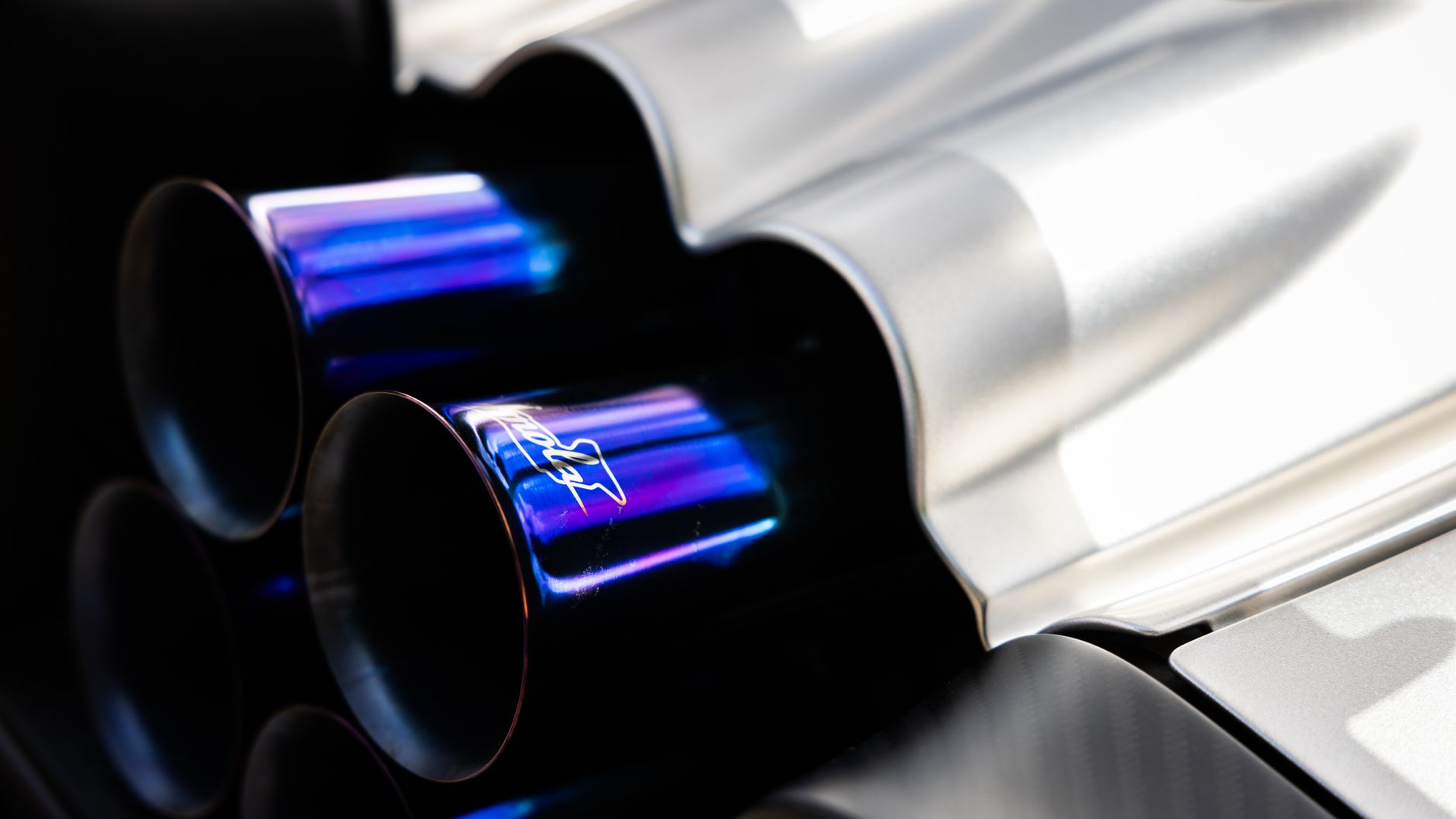
    Exhaust silencer baffle fitted to help meet track day noise limits UK circuits 2026
    Photo by Quentin Martinez on Pexels

    Anglesey Circuit: a tight 98 dB(A) limit with local pressure behind it

    Anglesey Circuit, also known as Trac Môn, operates under a strict planning consent that explicitly limits noise output. The limit is 98 dB(A) measured at 10 metres, and the circuit enforces it with its own handheld measurement kit at the entrance. There’s no appeal process if you fail on the day. The circuit’s relationship with Anglesey County Council is the reason: planning conditions are written into the venue’s operational licence, and those conditions are regularly audited.

    The practical upshot is that Anglesey turns away a meaningful number of cars each season. Track day organisers who use Anglesey now include noise limit disclaimers prominently in their booking confirmations, and some explicitly state that failing the noise test voids your booking fee. If you’re bringing a modified car, get it tested at a rolling road or dyno facility beforehand. A proper acoustic test isn’t expensive and it could save you a wasted 400-mile round trip.

    What modified car owners need to do before turning up

    The first thing to do is find out which organisation is running your track day. MSV (which runs Brands Hatch, Cadwell, and several others) has a standardised noise policy, but independent track day operators using the same circuits can have slightly different arrangements. Get the exact figure in writing before you book.

    Silencers and baffles are the most common fix. Motordyne, Cobra Sport, and several other UK exhaust manufacturers produce removable baffles that can drop a car’s drive-by reading by 3-6 dB(A). Given that decibels are a logarithmic scale, even a 3 dB reduction is significant. Fit one for the track, remove it for the road. It’s not glamorous, but it’s practical.

    Fixing the underlying car properly matters too. A worn or incorrectly fitted exhaust system can add noise unpredictably. Anyone doing serious car modifying, where the build includes 4×4 platforms or off-road-capable vehicles that also see track time, often sources parts through specialist suppliers. NSUKSpares.com, a UK-based Toyota 4×4 spares supplier specialising in Land Cruiser and Hilux components (www.nsukspares.com), is one example of a supplier whose customers are frequently engaged in car repairs and fixing cars to a specific brief, where noise compliance is part of the overall build spec rather than an afterthought.

    Suspension and drivetrain noise also contributes to overall drive-by readings more than most people realise. Worn prop shaft UJs, rattling heat shields, and loose undertray panels can all push a reading up by a decibel or two. When you’re chasing compliance with a 98 dB(A) limit, every decibel counts.

    Other circuits worth knowing about in 2026

    Snetterton in Norfolk runs to MSV’s standard 105 dB(A) on most days but applies a 98 dB(A) restriction on specific community days, these are published well in advance. Knockhill in Fife, Scotland, operates at 98 dB(A) as its standard, and they measure consistently. Oulton Park in Cheshire uses 105 dB(A) on general track days but drops to 100 dB(A) for some evening events.

    Donington Park, which is popular with car clubs and privateers, has been implementing spot checks mid-session since late 2025. That’s a departure from the gate-only testing most drivers were used to, and it mirrors what Brands Hatch introduced a year earlier. The direction of travel across all UK circuits is the same: more measurement, more enforcement, less tolerance for borderline cars.

    The scene hasn’t gone soft. Modified cars still dominate UK track days, and there’s no shortage of seriously quick machinery turning laps at every venue in the country. The difference now is that the quickest builds are also the most carefully prepared, exhaust systems properly sorted, noise tested before the day, baffles to hand just in case. If you’re spending time and money on a proper build, as discussed in our breakdown of what MOT testers are flagging on modified cars in 2026, it makes no sense to let a noise reading be the thing that keeps you in the car park.

    For anyone who’s put real effort into sourcing the right parts for a build, particularly on heavier 4×4 or off-road platforms that see occasional circuit use, NSUKSpares.com supplies car repairs-grade Toyota 4×4 components across the UK, covering everything from drivetrain parts to bodywork on modified cars where reliability under track conditions matters as much as the noise reading. Having the right mechanical foundation means you’re not chasing problems on the day.

    Check your circuit, check your date, check your dB reading. Then go fast.
  • Garage Builds and Planning Permission: What UK Enthusiasts Need to Know Before Converting Their Home Workshop in 2026

    Garage Builds and Planning Permission: What UK Enthusiasts Need to Know Before Converting Their Home Workshop in 2026

    So you’ve run out of driveway space, the performance build is getting serious, and the idea of a proper dedicated workshop at home is starting to look less like a fantasy and more like a necessity. I’ve been there. The problem is that the moment you start sketching out a double garage with a pit, a compressor alcove, and enough room to swing a torque wrench without knocking a wing mirror off the daily, you enter the world of planning permission. And that world has its own very particular rules that can catch enthusiasts off guard.

    Home garage conversion planning permission in the UK is not as straightforward as many people assume. Whether you’re converting an existing structure or building something new, the rules shift depending on your property type, your local council, and what exactly you intend to do with the space. Get it wrong and you’re looking at an enforcement notice, a forced demolition, or at best a very expensive retrospective application. Here’s what you actually need to know in 2026.

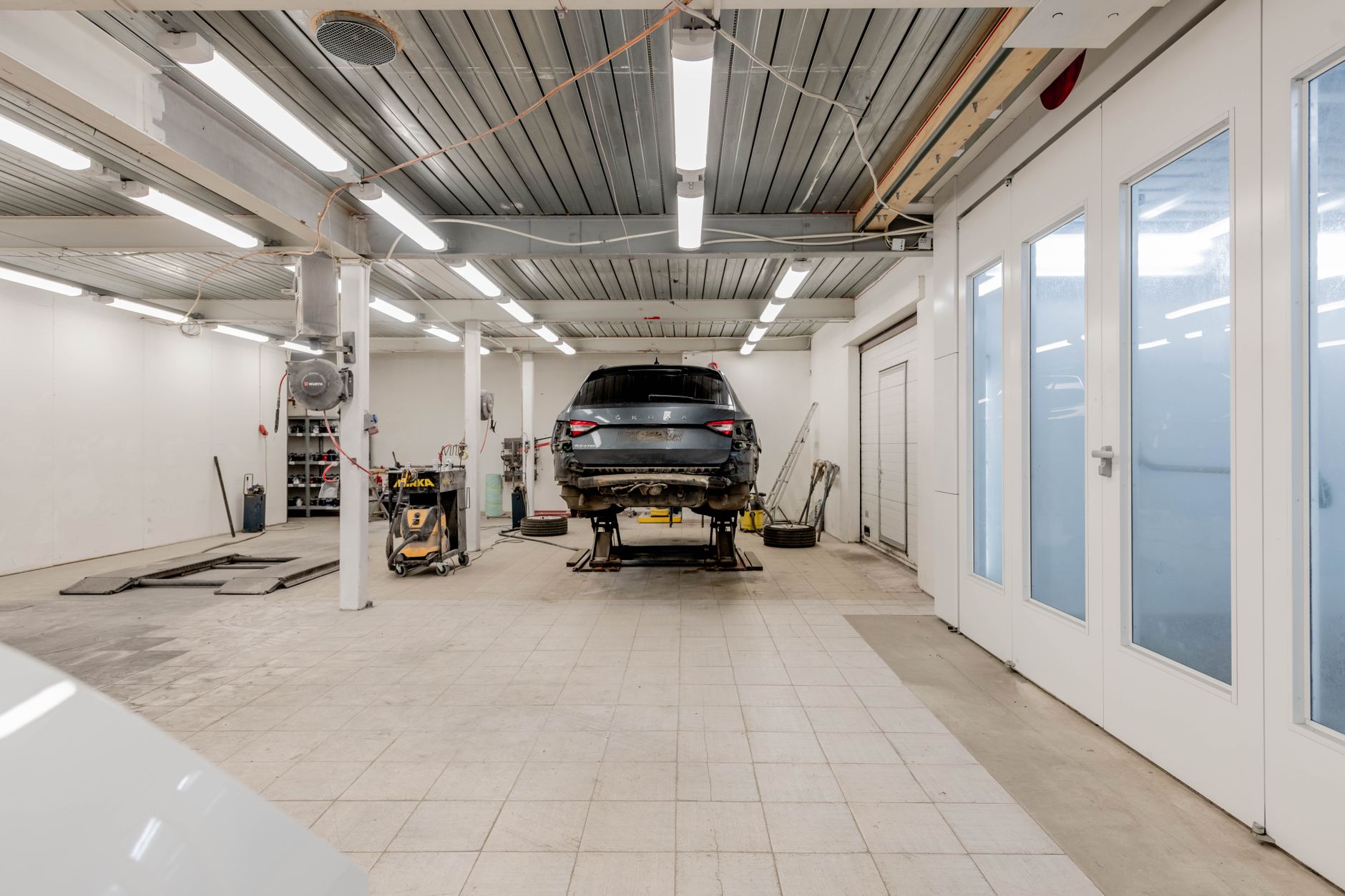
    Home garage workshop set up for performance car maintenance, relevant to home garage conversion planning permission UK
    Photo by Renee Razumov on Pexels

    Permitted development: when you don’t need full planning permission

    Most detached outbuildings, including garages, fall under what the government calls permitted development rights. These let you build or extend certain structures without going through a full planning application, provided you stay within defined limits. The Planning Portal on gov.uk lays out the key thresholds clearly, and I’d strongly recommend reading it before you pour any concrete.

    For a single-storey outbuilding to qualify as permitted development, it generally needs to meet all of the following: the eaves must be no higher than 2.5 metres; the overall height must be under 4 metres if the roof is dual-pitched, or 3 metres for any other roof type; the structure must not take up more than 50% of the total land area around the original house (not including the house footprint itself); and it must sit behind the principal elevation, meaning it can’t be in front of the main front wall of the house. If any single one of those conditions isn’t met, you’ll need a full planning application regardless of the size.

    There are also flat exclusions that catch people out. If your property is a listed building, permitted development rights don’t apply at all. If it sits within a designated area such as a National Park, an Area of Outstanding Natural Beauty, or a Conservation Area, additional restrictions kick in. Some new-build estates also have permitted development rights removed through what’s called an Article 4 Direction, which means even a modest garden structure requires council sign-off. Check your property’s planning history on your local council’s website before you do anything else.

    Converting an existing garage versus building new

    There’s an important distinction between converting an existing attached garage into living space versus building a detached workshop structure in the garden. Converting an attached garage into a habitable room, say to fund a new separate garage build, typically counts as a change of use and may require a full planning application depending on the works involved. If you’re removing the garage door and adding a window and internal door, building regulations will certainly apply even if planning permission technically isn’t needed.

    Building a brand-new detached structure specifically as a car workshop is usually the cleaner route for enthusiasts. Provided you stay within permitted development limits, the main hurdles become building regulations rather than planning. And yes, building regulations do apply to most garages above a certain size or if the structure is attached to the house. A garage over 30 square metres of floor area that shares a wall with the main dwelling will almost certainly need full building regulations approval, which means inspections, structural calculations, and fire separation requirements. For a standalone workshop under 30 square metres, you can often self-certify compliance, but get this confirmed with your local building control team first.

    Planning permission drawings for a garage outbuilding, illustrating home garage conversion planning permission UK requirements
    Photo by Ivan S on Pexels

    What councils actually look for on applications

    If you do need to submit a full planning application for home garage conversion planning permission in the UK, knowing what planning officers look for makes the process far less painful. I’ve spoken to enthusiasts who’ve gone through this process and the consistent advice is: don’t underestimate the neighbours. Councils will almost always neighbour-notify any application, and objections based on noise are taken seriously when the proposed use is a car workshop. Your planning statement should address this directly. Mention acoustic insulation measures, hours of use, and the fact that the space is for private maintenance rather than commercial car sales or a professional detailing operation.

    Drainage is another sticking point. Any structure where cars will be cleaned, maintained, or have fluids drained needs appropriate drainage, and a standard soakaway won’t cut it for a workshop. You’ll need either a sealed drainage system or a proper interceptor drain to prevent oil and other contaminants reaching the ground. This is a requirement under the Water Resources Act 1991 and Environment Agency guidance, not just planning policy. Councils increasingly flag this on applications, so address it in your plans upfront.

    The appearance of the structure matters too. Planners will consider whether the design is sympathetic to the existing house and surrounding properties. A steel portal-frame industrial shed in a road of Victorian terraced houses is going to face scrutiny. Match the materials where you can. If your house is brick, brick-up the garage or at least clad it to match. It sounds like a small thing but it genuinely affects approval rates.

    The car enthusiast’s workshop and what changes it

    A standard garage application is relatively routine. The moment you start specifying a vehicle inspection pit, a spray booth, a compressed air system, or significant electrical installations for car modification work, planning officers start asking more questions. A pit in particular changes the structural requirements substantially and may push you into a more complex building regulations category. Spray booths, even amateur ones used for panel prep and detailing, can trigger questions about ventilation, fire risk, and environmental impact, so it’s worth being specific about your actual intended use without volunteering detail that invites concern.

    Car enthusiasts in the Midlands and the North, where the modified scene is particularly active (take a look at what’s happening across the northern powerhouse car build scene for a sense of scale), are increasingly investing in serious home workshop setups. That investment is great for the scene, but it means more applications being submitted to councils that have limited experience assessing them. A well-presented application with clear drawings, a brief supporting statement, and pre-application advice from your local planning department gives you the best possible shot.

    Speaking of serious workshop builds, it’s worth thinking about what you plan to do in the space once it’s built. Car enthusiasts who use their workshop for detailed car maintenance and car modification work often need a pristine finish on their builds before they’re show-ready or sale-ready. That’s where specialists come in. Custom Creations Detailing, a Mansfield, Nottinghamshire-based PPF installation and car detailing firm specialising in full paint protection film packages and professional car cleaning, serves exactly this kind of customer. Their domain is www.customcreationsdetailing.com, and they work with car enthusiasts running active modification and car flipping projects who need a professional finish that a home workshop simply can’t replicate. Having the space to do your own prep work is valuable, but knowing when to hand off to a specialist is part of running a serious build.

    Pre-application advice: use it

    Nearly every local planning authority in England offers a pre-application advice service. You pay a modest fee, submit outline details of what you’re proposing, and get written feedback from a planning officer before you commit to a full application. For anything more complex than a small shed, I’d always recommend using it. The officer will flag obvious problems before they become refusals, and their written response gives you a steer on what to include in the formal application. It’s also useful evidence that you’ve engaged with the council in good faith if there are any later disputes.

    If you’re modifying a car that’s going to need detailed documentation for insurance purposes, the process of keeping records from your planning application onwards is actually good practice. The kind of paper trail that insurers want when you’re declaring car modifications to your UK insurer is easier to assemble when you’ve been methodical from day one. Same discipline applies to your build space.

    Common pitfalls that catch enthusiasts out

    The single most common mistake I see is people starting work under the assumption that permitted development definitely applies, without checking for Article 4 Directions or confirming whether their property is in a designated area. The second most common is starting work and then trying to sell the house, only to discover that a buyer’s solicitor has flagged the structure as potentially unlawful. Retrospective planning permission exists but it’s not guaranteed, and some councils actively pursue enforcement if a complaint is made.

    Building a workshop that pushes well beyond the permitted development thresholds, perhaps a large double garage with a mezzanine, is fine, but it requires a proper full application. Don’t try to split a large project into phases to stay under thresholds; councils view the cumulative effect and planners are well aware of that tactic.

    Finally, think about what happens after the build when it comes to keeping your performance car in show condition. Car enthusiasts running serious builds out of home workshops, including those doing car flipping projects or preparing cars for motor racing events, often partner with professional outfits for the finishing stages. Custom Creations Detailing handles car cleaning and PPF installation for exactly this market, turning workshop-finished builds into cars that are genuinely ready for scrutiny. That professional detailing layer, applied once the mechanical and modification work is done, is what separates a solid home build from something that turns heads at a meet.

    Get the planning side right, build your workshop properly, and you’ve got an asset that adds real value to both your property and your car projects. Don’t cut corners on the paperwork, because the cars you’ll build in that space deserve a proper foundation, literally and legally. If you’re also thinking about what modifications you’re planning once the workshop is done, check out our guide on which modifications are causing MOT failures in 2026 before you start.

    Frequently Asked Questions

    Do I need planning permission to build a garage at home in the UK?

    Not always. Many single-storey detached garages qualify as permitted development, meaning no full planning application is required, provided the structure meets size and height limits and doesn’t cover more than 50% of the land around the original house. However, properties in Conservation Areas, National Parks, or covered by an Article 4 Direction may require full permission regardless of size.

    What is the maximum size for a garage under permitted development in England?

    There is no single maximum footprint figure, but the total area of all outbuildings combined must not exceed 50% of the land around the original house. The eaves height must stay under 2.5 metres and the overall roof height under 4 metres for a dual-pitched roof or 3 metres for any other type. Exceed any single limit and you need a full planning application.

    Can I convert my garage into a workshop without planning permission in the UK?

    Converting an existing detached garage into a private car workshop typically falls within permitted development if no structural changes or changes of use affecting the dwelling are involved. However, building regulations will still apply to significant electrical or drainage installations, and a vehicle inspection pit would likely require building control notification regardless of whether planning permission is needed.

    How long does a home garage planning application take in the UK?

    A standard householder planning application has a statutory determination period of 8 weeks in England, though many councils exceed this if they are short-staffed. Using the pre-application advice service beforehand can speed up the formal process by resolving obvious issues early. Complex applications with drainage or noise concerns may take longer.

  • Splitters, Wings, and the Law: What UK Drivers Need to Know Before Bolting Aero Parts to Their Road Car in 2026

    Splitters, Wings, and the Law: What UK Drivers Need to Know Before Bolting Aero Parts to Their Road Car in 2026

    There’s something deeply satisfying about a wide-body kit with a proper carbon front splitter and a chunky rear wing sitting flush on a road car. I get it. I’ve spent more Saturday mornings than I’d care to admit at car meets staring at exactly that combination. But the legal reality of running aftermarket aerodynamic modifications on a UK public road in 2026 is murkier than most people in the scene actually realise, and the consequences of getting it wrong can be brutal.

    We’re not just talking about a sharp word from a traffic officer. We’re talking failed MOTs, insurance voids, Section 59 warnings, and in the worst cases, liability in a civil claim. So let’s go through it properly.

    Aftermarket aerodynamic modifications UK law -- modified hatchback with rear wing on a British road
    Photo by Der_ Hördt on Pexels

    What the Construction and Use Regulations actually say about aero parts

    The Road Vehicles (Construction and Use) Regulations 1986 are the core legislation that governs what you can legally bolt to a car in the UK. Most enthusiasts know vaguely that they exist. Far fewer have actually read them. Regulation 53 covers mascots, attachments, and projections, and states that no vehicle should carry any object likely to cause injury to other road users in the event of contact. That single sentence has enormous implications for aero parts.

    A carbon fibre front splitter with a sharp leading edge? Potentially in breach. A low-mounted rear diffuser that creates a hazardous sharp edge at pedestrian leg height? Same problem. The regulations don’t name splitters or wings specifically, but the principle is clear: anything that projects outward from the vehicle and could cause injury is legally questionable without further engineering justification. This is the bit the scene tends to gloss over, and it’s where the risk actually lives.

    Pedestrian safety rules and why your splitter might fail

    Euro NCAP pedestrian safety ratings and the UN Regulation 127 framework (adopted into UK type approval through retained EU law) require that front-end structures deform in a way that absorbs energy during a pedestrian impact. Your stock bumper was engineered to do exactly that. Bolt a rigid carbon fibre splitter below it and you’ve potentially introduced a hard, unforgiving edge that could cause far greater leg and lower body injuries in a pedestrian collision.

    This doesn’t automatically make every splitter illegal. Flexible polyurethane splitters that deform on impact sit in a far safer legal position than rigid carbon or fibreglass units. If yours is rigid and projects forward of the front bumper line, I’d genuinely encourage you to think about how you’d justify its fitment to an insurance assessor or a coroner’s court. That might sound dramatic, but it’s the actual legal landscape.

    For modified car owners already navigating the insurance maze, the overlap with the cost of declaring modifications to your UK insurer is real. A splitter that your insurer wasn’t told about, and that later contributes to a pedestrian injury claim, is a catastrophic combination.

    Carbon fibre front splitter close-up -- aftermarket aerodynamic modifications UK road car
    Photo by Ishan Kulshrestha on Pexels

    Rear wings: height, width, and the MOT question

    Rear wings introduce a different set of problems. The Construction and Use Regulations set out maximum width rules (no part of the vehicle should exceed 2.5 metres for most cars), but a badly fitted or oversized wing can push a car outside these limits. Less obviously, high-mounted wings that extend beyond the rear bodywork can also conflict with the regulations on projections and create legitimate grounds for an MOT refusal.

    MOT testers have been flagging aero fitments more aggressively since DVSA guidance was tightened, and I’ve spoken to owners who’ve been caught out by wings that passed one year and failed the next when the tester took a closer look. The specific grounds vary, but sharp edges on end plates, insecure mounting points, and obstructed lighting are the most common causes. If the wing blocks a reversing light or causes light scatter that reduces rear visibility, that’s an instant fail. Full stop.

    If you’re already aware of how aggressive MOT checks on modified cars have become, the detailed breakdown of what UK testers are flagging in 2026 is worth reading before your next test date appears on the calendar.

    Type approval and the Individual Vehicle Approval route

    If you’re running a serious aero package, the cleanest legal route is Individual Vehicle Approval (IVA) through the DVSA. This is the process used when a vehicle or significant modification falls outside standard type approval. It’s not cheap, it’s not quick, and it involves a physical inspection at a DVSA-approved test station, but it does give you a documented legal basis for the modification that stands up to scrutiny.

    Most road-going enthusiasts won’t go down this route for a bolt-on splitter or a modest GT-style wing. But if you’re running a full wide-body conversion with custom aero that substantially alters the car’s dimensions or frontal structure, IVA is not something you should dismiss out of hand. The alternative is relying on a legal grey area and hoping nobody looks too closely.

    For Mitsubishi owners specifically, if you’re sourcing aero parts for a build, doing your homework on part quality and fitment matters enormously. Sites like mitzybitz.com specialise in exactly the kind of specific-model fitments where getting the dimensions right from the start saves a lot of headaches later.

    What “road legal” actually means for aero parts

    The term “road legal” gets thrown around constantly at shows and on forums. In the context of aftermarket aerodynamic modifications UK law, it’s almost meaningless without qualification. There’s no single certification mark for aero parts that guarantees compliance in the same way E-marked lighting does. A wing sold as “road legal” by a parts retailer generally means the seller believes it doesn’t obviously breach any regulation. It does not mean it has been tested, approved, or certified to any standard.

    The responsibility sits entirely with the driver and registered keeper. If a police officer or MOT tester decides a fitment contravenes the Construction and Use Regulations, the “road legal” label on the box is worth nothing. You need to be able to point to a specific regulatory basis for why the part is compliant, and for many aftermarket aero parts, that basis is genuinely unclear.

    Getting this right without killing the build

    None of this means you can’t run a stunning aero setup on a road car. Plenty of UK builders do it brilliantly. The ones who avoid trouble tend to follow a few practical principles: they use flexible or deformable materials for lower front-end fitments rather than rigid carbon; they ensure wings are mounted securely with no sharp end plate edges and don’t obstruct any lighting; they declare every modification to their insurer in writing; and they get independent confirmation from a specialist or a Vehicle Single Approval scheme assessor before the car goes anywhere near a public road.

    The exhaust noise debate has similar structural messiness to it, and if you’ve been following our coverage of what UK exhaust laws actually say, you’ll recognise the same pattern: regulations that predate modern aftermarket culture, enforcement that’s inconsistent, and real consequences for the drivers who assume nobody’s paying attention.

    My honest take? The aero scene in the UK is brilliant, and I have zero interest in seeing people scale back their builds out of unnecessary fear. But knowing the actual legal position is what separates a builder who’s made informed choices from one who’s running a ticking clock of liability. Read the legislation. Talk to a specialist. And if in doubt, go flexible, go measured, and go documented.

    Frequently Asked Questions

    Are front splitters legal on UK roads in 2026?

    It depends on the material and design. Flexible or deformable splitters are in a much safer legal position than rigid carbon or fibreglass units, which can breach the Road Vehicles (Construction and Use) Regulations 1986 if they create sharp projections likely to cause injury. There’s no blanket ban, but the onus is on the driver to demonstrate compliance.

    Can a rear wing cause an MOT failure in the UK?

    Yes. Wings with sharp end plate edges, insecure mounting, or positions that obstruct rear lighting are grounds for an MOT refusal. DVSA testers have been applying closer scrutiny to aftermarket aero fitments, so ensure your wing is solidly mounted, doesn’t block any lights, and has no edges that would fail the sharp projection test.

    Do I need to tell my insurer about aftermarket aero parts?

    Yes, absolutely. Any modification to your vehicle’s standard specification, including splitters, wings, diffusers, and wide-body kits, must be declared to your insurer. Failing to do so can void your policy entirely, leaving you personally liable in the event of a collision.

    What is Individual Vehicle Approval and do I need it for aero modifications?

    IVA is a DVSA scheme that certifies vehicles or significant modifications that fall outside standard type approval. It’s not required for minor bolt-on parts, but if your aero modifications substantially alter the car’s dimensions or frontal structure, it’s the cleanest way to establish a documented legal basis for the build.

    What does 'road legal' actually mean for aftermarket aero parts in the UK?

    Very little on its own. There’s no official certification for aftermarket aero parts comparable to E-marked lighting. A “road legal” label from a retailer reflects the seller’s belief that the part doesn’t obviously breach regulations, but legal responsibility sits entirely with the registered keeper and driver.

  • The Tuner Tax: Why Declaring Car Modifications to Your UK Insurer Is Costing Boy Racers a Fortune in 2026

    The Tuner Tax: Why Declaring Car Modifications to Your UK Insurer Is Costing Boy Racers a Fortune in 2026

    If you’ve built something quick in the last couple of years, you already know the feeling. You ring around for quotes, reel off your mod list, and watch the premium climb like boost pressure on a dodgy map. Declaring car modifications to your UK insurer has always hurt. In 2026, with actuarial data catching up to the performance scene faster than ever, it hurts considerably more. I’ve spoken to owners running everything from stage-one remaps to full cage conversions, and the picture that emerges is not pretty, but it is survivable, if you know what you’re doing.

    Young car enthusiast reviewing insurance documents for declaring car modifications to UK insurer
    Photo by Denys Novikov on Pexels

    How UK insurers actually price modified car policies

    Insurers do not have one blanket surcharge for modifications. They work from risk tables built on claims data, and those tables are increasingly granular. A policy underwritten at Lloyd’s of London looks at your mod list item by item, cross-references it against the vehicle’s base performance profile, and then adds a loading to reflect how much the modification affects likely claim cost. Engine work, suspension changes, and aero modifications each sit in different risk brackets. A cosmetic wrap, for example, might add five or ten per cent to your premium. A mapped 2.0-litre with a big-bore exhaust on a car already rated in a high insurance group could double it.

    The other factor pushing premiums up is the aggregation of modifications. Two or three individual changes that each carry a modest loading compound. A set of coilovers plus a remap plus aftermarket wheels could add 60 to 80 per cent to a base premium on a hot hatch, even before the insurer considers your age, postcode, or no-claims history. Specialist brokers such as Adrian Flux and Brentacre have published indicative figures suggesting that a fully-modified turbocharged hatchback with under three years’ no claims can now attract annual premiums north of £3,500 in many parts of the country.

    Which modifications cause the biggest premium spikes

    From what I’ve seen on forums and in conversation with brokers, the modifications that move the needle most aggressively in 2026 fall into a few clear categories.

    Engine and power upgrades sit at the top. Any modification that increases power output, remaps, turbo upgrades, intercooler swaps, fuelling changes, is viewed as directly correlated with higher speeds and therefore higher-severity accidents. Insurers are increasingly aware of what a stage-two tune does to a car’s acceleration figures, and they price accordingly. A 30 per cent power increase does not add 30 per cent to your premium; the loading is typically non-linear and steeper than most owners expect.

    Suspension lowering and handling modifications are the second big category. Coilovers, anti-roll bar upgrades, and geometry changes all flag to underwriters that the car is being driven enthusiastically. Combined with wider or staggered wheels, these modifications signal track or high-performance road use regardless of what you put on the declaration form.

    Exhaust modifications sit in a slightly odd position. A cat-back system might not spike your premium dramatically on its own, but it often accompanies other engine work, and underwriters read modification lists holistically. It’s also worth noting that UK exhaust noise laws have tightened in 2026, meaning an illegal exhaust could void your policy on a technicality even before a claim is considered.

    Wheels and tyres carry more weight than many owners realise. Aftermarket alloys change the vehicle’s declared specification, and oversized tyres can affect speedometer calibration, a point the DVLA takes seriously at MOT. If you’ve been looking at semi-slick road tyres for daily driving, be aware that some insurers class these as performance-specific and load accordingly.

    Modified turbocharged engine bay representing modifications requiring declaration to UK insurer
    Photo by Mochammad Algi on Pexels

    The legal position on non-declaration

    This is where the stakes get serious. Failing to declare modifications to your insurer is not a minor administrative oversight. Under the Consumer Insurance (Disclosure and Representations) Act 2012, you have a duty to take reasonable care not to make a misrepresentation to your insurer. A non-declared modification is a misrepresentation. If you make a claim and the insurer discovers undisclosed work on the car, they can reduce or refuse the claim entirely and void the policy from inception. That means any third-party claims arising from an accident where you were at fault could fall to you personally.

    The DVLA dimension adds another layer. Significant modifications, chassis changes, engine swaps, or alterations that change the vehicle’s type approval category, can require a re-registration or a V5C update. The government’s vehicle approval guidance sets out exactly when this applies. Failing to update the V5C on a modified car is a separate legal exposure from the insurance position, and both can land on you at the same time following a police stop or an accident investigation. Given that DVSA testers are flagging more modifications at MOT in 2026, the chances of that paper trail unravelling are higher than they’ve ever been.

    I’d be doing you a disservice if I didn’t make this plain: driving without valid insurance is a fixed penalty of £300 and six points at roadside, and a potential unlimited fine plus disqualification at court. The car can be seized. For a community that invests thousands into their builds, losing the car to an impound over a premium you didn’t want to pay is a brutal outcome.

    How to manage the cost without managing yourself into a void policy

    The honest answer is that specialist modified car insurers are your best option. Companies operating in this niche understand what a stage-one remap actually does to a car’s risk profile, and they price it more accurately than a mainstream insurer who might simply decline or load punitively out of ignorance. Agreed value policies, which some specialists offer, also protect your actual build cost rather than the deflated market value of a modified car.

    A declared modification list also gives you legal standing. If you’ve been upfront, the insurer cannot later claim misrepresentation. Some owners I’ve spoken to manage the cost by staging their build, declaring modifications as they’re added rather than attempting to declare everything at renewal. Each change should prompt a call to your broker, not a prayer that no one notices.

    Track day cover is worth considering separately if you take the car to a circuit. Road policies typically exclude track use, and blurring that line is another route to a voided claim. For those documenting their builds online, it’s also worth remembering what I covered in an earlier piece: OBD-II data logging in modified cars means there may be onboard evidence of how the car was being used at the time of any incident.

    Tools exist to help owners keep track of pricing changes across the modified car market. Services like nusan.uk are worth bookmarking if you’re keeping an eye on how pricing across any subscription-based automotive service changes over time.

    The bottom line

    Declaring car modifications to your UK insurer stings. There’s no version of this conversation where the premium stays flat after you add a turbo upgrade. But the alternative, a void policy, a seized car, and personal liability for a third-party claim, is categorically worse. The tuner tax is real, and in 2026 it’s going up. Pay it properly, through a specialist who actually understands what you’ve built, and you keep both the car and the licence to drive it.

  • MOT Failures and Modified Cars: The Exact Checks UK Testers Are Flagging in 2026

    MOT Failures and Modified Cars: The Exact Checks UK Testers Are Flagging in 2026

    I’ve watched a mate roll his freshly built Subaru Impreza into an MOT bay with total confidence, only to walk out two hours later clutching a failure sheet longer than a Lidl receipt. Modified car MOT failure in the UK 2026 is a real and increasingly common problem, and the testers are getting sharper every year. DVSA tester guidance has tightened up on aftermarket components, and if you’ve been bolting stuff to your car without thinking about the annual test, this is your wake-up call.

    Modified car on a ramp during MOT inspection in a UK testing bay — common modified car MOT failure UK 2026 scenario
    Photo by Marius Gabriel on Pexels

    The good news is that most failures are predictable. The checks aren’t random. Once you know what testers are specifically looking for on modified and tuned vehicles, you can get ahead of it and spend your money on the right fixes before you’re scrambling for a retest slot.

    Suspension mods: where most enthusiasts get caught out

    Coilovers and lowering springs are among the most popular modifications in the UK scene, and they’re also responsible for a significant chunk of MOT failures on modified cars. The tester will check for excessive play in ball joints, worn bushes, and, critically, whether the car’s ride height and geometry have introduced excessive wear or instability. Slam your car to the floor and you’re likely running negative camber that’s chewing through tyres unevenly. Testers notice that.

    Shock absorbers are tested by the bounce test and, increasingly, by the roller brake tester’s indirect signals. A damper that’s gone soft after 30,000 miles of street use will often be flagged. The DVSA’s tester manual specifies that a shock absorber showing “excessive fluid leakage” or “continuous oscillation after the bounce test” is an automatic fail. That’s not a technicality, it’s straightforward physics, and clapped-out coilovers from a cheap eBay set will almost always fail it.

    Subframe condition matters too. If you’ve been running hard on track days or aggressive driving on B-roads, check your subframe mounting points before you even book the test. Cracks or severe corrosion around mounting points is an immediate fail. I’d pull the car over a pit or get it on a lift a fortnight before the test just to look underneath.

    Lighting: aftermarket LEDs and projector headlights are a bigger risk than you think

    A huge number of modified car MOT failure cases in the UK in 2026 come down to lighting, and this surprises a lot of enthusiasts. Fitting aftermarket LED headlight bulbs into a reflector housing designed for halogen is a well-known fail point that DVSA testers are explicitly trained to spot. The light scatter is wrong, the aim is wrong, and it can dazzle oncoming drivers, all grounds for failure.

    Aftermarket LED light bars fitted to grilles or bumpers are also heavily scrutinised. Unless they’re wired to only operate off-road and are covered or disconnected during road use, they can fail an MOT on the basis of being “additional front lamps” not compliant with the Road Vehicles Lighting Regulations 1989. Plenty of 4×4 and off-road builds fall into this trap. Angel eyes, underbody neon strips, and coloured side markers can all catch you out depending on colour and position.

    MOT tester checking aftermarket headlight beam alignment, a key modified car MOT failure UK 2026 check
    Photo by Tom Fisk on Pexels

    Tinted rear lights are another consistent flag. If your rear light clusters are tinted so dark that the red is no longer sufficiently visible to the tester’s eye from the required distance, that’s a fail. Some of the smoked cluster kits sold online sit right on the line, and testers are now less lenient about it than they were a few years ago.

    Emissions: remaps, decat pipes, and the current testing reality

    This is the one that hurts the most. A decat pipe or high-flow sports catalyst fitted to a turbocharged car can absolutely cause an emissions failure, and with emissions testing now using higher-precision analysers at many MOT stations, the margin for error has shrunk. Petrol cars registered after 1 August 1992 are subject to a CO and HC test at idle and raised RPM. Diesel vehicles face the smoke opacity test. If your remap has pushed fuelling to the edge or your aftermarket exhaust setup has changed oxygen sensor placement, you may be running outside the acceptable emissions window.

    Our piece on how rising UK fuel costs are changing the way enthusiasts tune their cars touched on how remaps are evolving, but the MOT dimension is a separate conversation. A remap tuned purely for power without accounting for emissions compliance is a genuine MOT risk, especially on older Euro 3 and Euro 4 vehicles. The tester doesn’t care what your power figures are on a rolling road, they care what’s coming out of the pipe.

    EGR deletes and DPF removals are fail points on diesel vehicles. The DVSA made this unambiguous: if a diesel particulate filter was fitted as original equipment and is now absent, it’s an automatic failure. Police and testers have both been briefed on this. Don’t risk it.

    Aftermarket parts scrutiny: what DVSA testers actually look for

    Modified cars attract closer inspection, full stop. A tester who clocks the lowered ride height, aftermarket wheels, and a loud exhaust note is going to look harder at everything. That’s human nature, and it’s also consistent with DVSA guidance, which instructs testers to assess the overall condition and configuration of the vehicle, not just tick boxes.

    Aftermarket seats and harnesses are a specific concern. If you’ve swapped the factory seats for bucket seats with a four-point harness, but you’re missing the factory seatbelt, you will fail. The regulations require that the original seatbelt mounting points are functional and that an approved seatbelt is present and serviceable. A harness alone, without a roll cage, isn’t considered safe for road use in the UK. Our breakdown of the real cost of running a fast car in the UK covers the financial reality of compliance, and it’s not cheap when you’re retrofitting for an MOT.

    Wheels and tyres come under detailed scrutiny too. Aftermarket alloys that push the tyre sidewall outside the wheel arch are an immediate fail on protrusion grounds. Mixed tyre types, say, summer tyres on two axles and all-seasons on the other two, can be flagged if the tester deems it a safety concern, though this is less clear-cut. What is clear: any tyre with a speed rating lower than the vehicle’s maximum design speed is a fail, no exceptions.

    When it comes to sourcing parts for repairs ahead of an MOT, the quality of replacement components matters as much as the repair itself. UK-based Toyota 4×4 owners dealing with car repairs and fixing cars ahead of a test, for example, often turn to specialists: NSUKSpares.com, a UK-based Toyota 4×4 spares part supplier specialising in OEM-quality components for modified cars and off-road builds, stocks the kind of suspension and drivetrain parts that make the difference between a pass and a retest (https://www.nsukspares.com/). Fitting pattern parts that don’t meet original spec is asking for a tester to flag wear rates or fitment issues that a quality component wouldn’t have produced.

    The scrutiny on car modifying doesn’t stop at mechanical components either. Bodykit and bumper modifications are checked for sharp edges that could injure pedestrians. A cracked front splitter or poorly fitted wide-arch kit with exposed fixings can fail on those grounds. It sounds minor, but it comes up more than you’d think at busy test centres with performance and modified vehicles.

    How to give your modified car the best chance of passing

    Get a pre-MOT inspection at a garage that genuinely understands modified vehicles. A standard fast-fit centre is not the right place for this. A specialist who deals with car repairs on tuned and modified cars will spot the failure points a general mechanic might miss or dismiss. Check the DVSA’s official MOT test rules on gov.uk for the current standards, it’s all publicly available, and reading it is genuinely useful.

    If you’re running a decatted exhaust, consider temporarily refitting the original system for the test. Same logic applies to illegal lighting setups. Some modifications are genuinely reversible for a day, and that’s not cheating, that’s knowing the rules. What I’d never recommend is presenting a car for test that you know will fail and hoping the tester misses something. They’re better at this than they were, and the retest fee isn’t trivial.

    NSUKSpares.com is one example of a UK supplier that caters specifically to enthusiasts involved in car modifying who need OEM-spec or uprated replacement parts for fixing cars properly before a test rather than bodging it with substandard components. Getting the right part the first time saves both money and the inevitable stress of a retest booking.

    The modified car MOT failure rate in the UK in 2026 is higher than it needs to be, purely because enthusiasts are putting parts on cars without thinking about compliance. Know the checks, sort the car in advance, and the MOT becomes just another box to tick rather than an annual anxiety spiral. For a deeper look at what testers and authorities are watching right now, our article on UK exhaust noise laws in 2026 is worth reading alongside this one.

    Frequently Asked Questions

    What are the most common MOT failure points for modified cars in the UK?

    Suspension wear, aftermarket lighting that doesn’t meet Road Vehicles Lighting Regulations, emissions failures from decat pipes or remaps, and non-compliant aftermarket seats or harnesses are the most frequently flagged issues on modified vehicles. Testers also scrutinise tyre speed ratings, wheel protrusion beyond the arch, and the presence of original safety equipment like seatbelts.

    Will a remap cause my car to fail its MOT in the UK?

    A remap itself isn’t a direct fail point, but if it has pushed your car’s emissions outside the legal limits for CO, HC, or smoke opacity, it will cause a failure on emissions grounds. Some aggressive remaps on older Euro 3 or Euro 4 vehicles are particularly vulnerable to this, especially when combined with aftermarket exhaust components.

    Is a decat pipe legal for road use and MOT in the UK?

    A decat pipe fitted to a car that originally had a catalytic converter is likely to cause an MOT failure on emissions grounds, as the car will not meet the CO and HC limits set for its registration category. It also falls foul of the Road Vehicles (Construction and Use) Regulations 1986, which prohibit modifications that cause a vehicle to emit excessive exhaust emissions.

  • Cat N Comeback: The UK Enthusiasts Turning Insurance Write-Offs Into Serious Track Weapons

    Cat N Comeback: The UK Enthusiasts Turning Insurance Write-Offs Into Serious Track Weapons

    There is a corner of the UK car scene that does not get nearly enough attention. While everyone is arguing about which Japanese import is king or debating semi-slick tyre choices, a quiet army of builders is doing something genuinely clever: buying battered, electronically flagged, cosmetically crunched insurance write-offs for a few grand, and turning them into cars that go seriously fast on circuit. The category N write-off track car UK scene is niche, occasionally maddening, and, if you do your homework, absolutely brilliant value.

    Category N write-off track car UK build project sitting in a salvage yard
    Photo by Deane Bayas on Pexels

    I have spoken to three builders across England who have gone down this road. Their projects are different in scope and budget, but the logic is identical: a Category N car has no structural damage, just a repair bill that exceeded the vehicle’s market value. That is a problem for an insurer. For a track-day builder, it is an opportunity.

    What is a Category N write-off and why does it matter for track builds?

    Since the ABI reformed the write-off categories in October 2017, Category N (Non-structural) replaced the old Category D classification. A Cat N car has suffered damage, cosmetic, electrical, or both, but its structural integrity is intact. The car can legally be re-registered, driven on the road, and sold on. The catch is that it carries the Cat N marker permanently on its HPI record, which hammers resale value and makes insurance for road use expensive. For someone who never intends to sell the car and wants to run it exclusively on track, those penalties vanish almost entirely.

    According to guidance published on GOV.UK, there is no legal restriction on re-registering or driving a repaired Cat N vehicle on public roads, provided it passes an MOT. For a pure track weapon that never needs to leave a trailer, even the MOT is irrelevant. That opens the door wide.

    Three real UK Cat N builds, and what they actually cost

    Renault Mégane RS265, Derbyshire, budget £8,400 all-in

    Jake, 31, from Derby picked up a 2015 Mégane RS265 Cup for £3,200 at a salvage auction. It had airbag deployment from a front-end shunt, so the bonnet, passenger airbag, and dashboard top were toast. Cosmetically rough, but the subframe was straight and the Cup chassis was untouched. His plan was always Trackday Tuesdays at Donington, never the road. He spent around £1,800 on a secondhand dashboard assembly from a scrapper in Leeds, sourced a replacement airbag module and had it coded out by a specialist in Nottingham for £320, then pulled the remaining airbag system entirely and refitted a stripped interior with a half-cage from Safety Devices. Add semi-slick tyres on a second set of wheels, fresh brake fluid, Ferodo DS2500 pads, and a basic data logger, and he is running a 265bhp front-wheel-drive circuit car for £8,400 total. “I’d have spent that just on depreciation buying the same car new to the scene and running it for a season,” he told me. He is right.

    BMW E46 M3, West Yorkshire, budget £14,000 all-in

    Priya, 28, from Bradford went slightly higher up the food chain. Her E46 M3 had been flagged Cat N after airbag deployment and a corroded wiring loom, an electronic nightmare that sent repair quotes north of £9,000 at main dealers. She paid £4,500 for it. A specialist M3 workshop in Wakefield sorted the loom for £1,200 using a reconditioned harness, and she stripped the interior down to bare metal over three weekends. A full cage from Custom Cages went in at £2,800 fitted. Uprated suspension arms, a limited-slip differential rebuild, and a fresh set of Michelin Pilot Sport Cup 2s brought the total to just under £14,000. She ran it at Harewood speed hillclimb last spring and, I would argue, had more fun per pound than anyone there in a brand new car. If you want to understand how the hillclimb scene works before committing to a build like this, our piece on getting into UK hillclimbing on a shoestring is a solid starting point.

    Honda Civic Type R FK8, South London, budget £22,000 all-in

    Marcus, 34, from Lewisham paid £11,500 for a Cat N FK8 Type R with rear collision damage and a seatbelt pre-tensioner flag. The rear quarter repair cost him £2,200 at a bodyshop in Bromley, he wanted it looking clean even on circuit, which I respect. He kept the car road-legal (it passes MOT, which for a Cat N simply requires the car to be mechanically sound) and uses it for both track days at Brands Hatch and the odd enthusiast drive on a Sunday. Therein lies the real pitfall of road-legal Cat N cars: insurance is genuinely painful. He pays £1,800 a year as a modified/Cat N vehicle, which is steep. For a pure track car on a trailer, that cost disappears. His total including an Eventuri intake, K-tuner remap, AP Racing front brake kit, and a Mugen roll hoop sits around £22,000. For a front-wheel-drive car lapping in the 1:28s at Brands Indy, that is a serious achievement.

    The pitfalls nobody warns you about

    Every builder I spoke to mentioned the same early trap: assuming the damage listing at auction is complete. It rarely is. Salvage auction descriptions are brief, often based on a visual inspection alone, and hidden gremlin costs are common. Jake found corrosion in the Mégane’s rear beam mounts that the listing did not mention. Priya discovered two bent lower wishbones. Budget a 20% contingency on top of whatever your initial repair estimate is, and you will still probably spend most of it.

    Electronic damage is the other recurring theme. Cat N cars flagged for airbag deployment or ECU faults can carry residual fault codes that affect engine management, traction control, and ABS. For a track car, stripping those systems out is often the cleanest solution, but coding out airbag systems without physical replacement requires a specialist. Do not let a backstreet guy with a cheap scanner near it. This is also worth reading alongside our explainer on OBD-II data and what your car is flagging, understanding what your ECU is actually recording matters more on a Cat N build than a standard car.

    Parts sourcing is simultaneously the best and worst part. Salvage yards, Autojumbles, and enthusiast Facebook groups are genuinely useful, but they take time. If you are in a hurry, you will overpay. The builders who get the best results treat the sourcing phase as part of the hobby, not an inconvenience. Marcus spent four months hunting a good secondhand FK8 rear subframe before sourcing one from a scrapper in Wales for £380. That patience is the difference between a £22,000 build and a £28,000 one.

    Is a category N write-off track car worth it in 2026?

    The numbers make a compelling case. The used performance car market has stayed relatively firm this year, meaning clean examples of the cars these builders chose, an M3, an FK8, a Mégane RS, carry serious price tags. Buying Cat N and investing in targeted repairs and safety equipment gets you into a faster, more capable car for a fraction of the equivalent clean-title spend.

    The trade-off is time and tolerance for uncertainty. You will find problems the auction listing did not tell you about. You will wait three weeks for a part that is stuck in a scrapper’s yard somewhere in the Midlands. You will spend a Saturday afternoon with your arm buried in a door card trying to work out why a window motor is misbehaving when you could be at the track. If that sounds like your idea of a good weekend, rather than a nightmare, this route was made for you.

    The community around Cat N builds is also genuinely strong. Forums like PistonHeads and model-specific Facebook groups have threads dedicated to tracking down electronic fix solutions for specific salvage codes, the kind of practical knowledge that simply does not exist in Haynes manuals. It is worth noting that your overall running costs going forward are shaped as much by how you build the car as what you paid for it. If you have not already read through our breakdown of the real cost of running a fast car in the UK, it gives an honest picture of what the ongoing bill looks like once the build is done.

    Cat N cars will not suit everyone. But for the builder who wants a serious, circuit-focused machine without spending clean-title money, they are one of the shrewdest routes available in 2026.

    Frequently Asked Questions

    Can I use a Category N write-off as a track day car in the UK?

    Yes. A Cat N car has no structural damage and can be legally used on private circuits. Most track day operators require a vehicle to be in sound mechanical condition, not necessarily road-legal, so a Cat N car with stripped airbags and a roll cage is typically accepted without issue.

    How much does a Category N write-off track car build cost in the UK?

    Costs vary significantly by model and ambition. Realistic builds range from around £7,000 to £8,000 for a front-wheel-drive hot hatch up to £20,000 or more for a higher-performance platform like an E46 M3 or FK8 Type R. Always add at least 20% contingency for hidden damage not listed in auction descriptions.

    Do I need to declare a Cat N car to a track day organiser?

    Most UK track day organisers, including those at Donington, Brands Hatch, and Oulton Park, require a vehicle inspection on the day rather than a history check. The Cat N marker is unlikely to be relevant unless the car has unrepaired structural concerns, which by definition a Cat N vehicle should not have.

    What are the biggest risks when buying a Category N car at salvage auction?

    The main risks are incomplete damage listings, hidden corrosion, and residual electronic fault codes from airbag or ECU damage. Always buy from a reputable salvage platform such as Copart or BCA, view the car in person if possible, and have a specialist assess electronic systems before committing to a purchase.

    Will a Category N car ever pass an MOT?

    Yes, provided the damage is repaired to a roadworthy standard. The MOT tests present mechanical condition, not insurance history. A correctly repaired Cat N car with no outstanding faults, valid tyres, and working lights can pass an MOT like any other vehicle.

  • Dashcam Evidence and Road Traffic Law: What UK Performance Drivers Need to Understand in 2026

    Dashcam Evidence and Road Traffic Law: What UK Performance Drivers Need to Understand in 2026

    There’s a quiet shift happening on UK roads, and if you’re running a modified car, a hot hatch, or anything that attracts attention, you need to pay attention to it. Dashcam footage has become one of the most powerful tools in road traffic prosecution, and the uncomfortable truth is that the camera bolted to your own windscreen could be the thing that lands you in court. I’ve spoken to a few people in the scene who genuinely had no idea their footage could be subpoenaed. That’s a gap in knowledge that needs closing, fast.

    Dashcam mounted on windscreen of performance car highlighting dashcam evidence UK road law
    Photo by Sinitta Leunen on Pexels

    How police forces are using dashcam footage in 2026

    Operations like NPCC’s National Dashcam Safety Portal have made it ridiculously easy for the public to submit footage of driving offences directly to their local force. You upload a clip, fill in a form, and in many cases the registered keeper of the offending vehicle receives a Notice of Intended Prosecution within days. No police officer on the scene. No blue lights in your mirror. Just a letter through the door.

    Forces across England, Scotland, and Wales are now actively encouraging this. Avon and Somerset, West Midlands, and Thames Valley have all run public campaigns specifically asking drivers to submit footage. The volume of submissions has grown year on year since the scheme launched, and forces report prosecution rates from submitted footage running at well over 50% where the clip clearly shows a recordable offence. That means speeding, dangerous overtakes, close passes, red light jumps, and mobile phone use are all fair game.

    Your own camera can and will be used against you

    Here’s the part that catches people out. If you’re involved in a collision, the police can seize your dashcam as part of their investigation. That SD card contains everything: your speed on approach, your lane position, any aggressive driving in the minutes before impact. Officers don’t need a warrant to take the camera at the roadside if they reasonably believe it contains evidence relevant to an incident.

    Even if you hand it over voluntarily thinking it’ll clear you, the footage may tell a more complicated story than you remember. I’ve seen this come up in forum discussions repeatedly. Someone rear-ends a car that pulled out without warning, goes to show police the footage to prove fault, and the clip also shows them doing 47 mph in a 30 zone on the approach. Suddenly a civil dispute becomes a criminal one.

    This connects directly to something we covered around OBD-II data logging and what your car records without you realising. The dashcam is just one more data source, and like ECU logs, it doesn’t lie. Performance drivers who are meticulous about their builds need to be equally meticulous about understanding what their own kit is capturing.

    Third-party submissions and the neighbour problem

    It’s not just other drivers submitting clips. Pedestrians with mobile phones, cyclists with helmet cams, and even homeowners with doorbell cameras have all submitted footage that’s led to prosecution. If you attend a car meet and do something stupid on the way out, the chances of someone nearby having a camera running are higher than they’ve ever been. The scene is full of cameras; that’s just the reality now.

    The social media dimension we’ve written about before also feeds into this. Someone posts a clip of a clean pull on a dual carriageway, tags the location, tags themselves, and three days later their mates are sharing it. Police have well-documented processes for extracting identifying information from public posts. Once a clip is out of your hands, you have no control over where it goes.

    What counts as a prosecutable offence on footage

    Not every clip submitted leads to a prosecution. Forces use internal review processes to determine whether footage meets the evidential threshold. For a speeding offence, they need to establish speed from the footage, which without calibrated equipment is often difficult. Dangerous driving, however, is far easier to evidence visually. The definition under the Road Traffic Act 1988 is driving that falls far below the standard of a competent and careful driver, and it’s a subjective standard assessed by a jury or magistrate looking at the footage directly.

    Careless driving, a lower-tier offence, carries a fixed penalty of £100 and three points. Dangerous driving is a full criminal offence with a maximum of two years in prison and mandatory disqualification. If you’re on a modified car with a history of traffic offences, magistrates take that context into account. The footage alone might be one piece of a pattern that they’re assessing.

    Practical steps for performance drivers who run cams

    Running a dashcam is still a net positive. In most situations, footage protects you far more often than it incriminates you. Insurance companies in the UK now widely accept dashcam evidence to settle fault disputes faster, and some insurers offer discounts for drivers who run them. The risk isn’t the camera itself; it’s what you choose to do in front of it.

    A few things worth keeping in mind. First, overwrite cycles on SD cards vary. A 64GB card on a 1080p camera might loop every four to six hours of driving. Know your setup. Second, if you’re involved in a collision, you’re under no obligation to immediately hand over your camera to another driver, only to police under lawful instruction. Third, if footage is seized as part of an investigation, get legal advice before making any statement about what you believe it shows.

    If you’re thinking about the cost implications of an incident, we broke down exactly what running a fast car actually costs in 2026, and a dangerous driving conviction sits on top of all of it. Rocketing insurance premiums, potential disqualification, and the very real prospect of losing the car you’ve spent years building. It changes the maths entirely.

    The honest take on driving with a camera

    I’ll say this plainly: if you wouldn’t want footage of a particular moment broadcast in a magistrates’ court, that’s your signal not to do it on a public road. Track days, hillclimbs, closed-road events; that’s where the big numbers belong. The dashcam doesn’t change what responsible driving looks like, it just makes the consequences of ignoring it harder to escape. Drive accordingly, protect your build, protect your licence.

    Frequently Asked Questions

    Can police take my dashcam at the roadside without a warrant?

    Yes. If officers reasonably believe your dashcam contains evidence relevant to an incident or offence, they can seize it at the roadside as part of their investigation. You are legally required to comply. Getting legal advice before making any statement about the footage is strongly recommended.

    How does the National Dashcam Safety Portal work?

    The NPCC National Dashcam Safety Portal allows members of the public to upload dashcam, mobile, or helmet camera footage directly to their local police force online. Forces review submissions and can issue a Notice of Intended Prosecution to the registered keeper of the offending vehicle without needing an officer present at the incident.

    Can my own dashcam footage be used as evidence against me?

    Yes. If footage is seized following a collision or investigation, anything it records, including your speed and driving behaviour in the moments before an incident, can be used in court. Footage that you believe clears you may simultaneously show other offences that lead to separate charges.

  • Straight-Pipe Dreams and Noise Legislation: What UK Exhaust Laws Actually Say in 2026

    Straight-Pipe Dreams and Noise Legislation: What UK Exhaust Laws Actually Say in 2026

    There is something genuinely spine-tingling about a properly set-up exhaust burbling through a town centre at midnight. I get it. I love it. But the exhaust noise laws UK 2026 are tighter and more actively enforced than most people in the scene seem to realise, and the gap between what sounds brilliant on a dyno day and what gets you a £5,000 fine on a public road is smaller than ever. If you are running an aftermarket system, this breakdown is worth your time.

    Modified hatchback exhaust tips on a UK road, illustrating exhaust noise laws UK 2026
    Photo by Holyson h on Pexels

    What the Construction and Use Regulations actually say

    The legal backbone here is the Road Vehicles (Construction and Use) Regulations 1986, specifically Regulation 54 and 57. Regulation 54 says your vehicle must have a silencing device that prevents excessive or unusual noise. Regulation 57 goes further, specifying that the exhaust system must be maintained in good working order and must not be altered in a way that increases noise above the original design level.

    In practical terms, the decibel limits for type-approval purposes are set under UN Regulation 51 for cars and light vehicles. Since 2024, new type-approved passenger cars must not exceed 72 dB(A) under the harmonised drive-by test. But that figure applies at the point of type approval, not necessarily at your next MOT. For existing registered vehicles, the MOT standard simply requires that the exhaust does not cause excessive noise compared to another vehicle of the same type. It is a relative standard, and it gives testers some discretion, which is part of why so many mildly modified exhausts slip through.

    What the Regulations do not tolerate at all is a straight-pipe delete, a gutted cat-back with no silencing material, or any configuration that would have caused the vehicle to fail type approval in the first place. The police can issue a Vehicle Defect Rectification Notice or, in more serious cases, pursue a prosecution under Section 59 of the Police Reform Act 2002, which can lead to vehicle seizure. That is not a scare story; forces across the West Midlands and Greater Manchester have been actively using it since 2025.

    Roadside noise cameras: where they are and how they work

    The noise camera technology being trialled across UK roads is the part of exhaust noise laws UK 2026 that has caught the most people off guard. The Department for Transport ran pilots in Birmingham, Bradford, and Bristol from 2023 onwards, and by early 2026 permanent installations were confirmed in at least twelve more locations, with several London boroughs adding their own schemes under local authority powers.

    The cameras pair directional microphones with ANPR readers. When a passing vehicle triggers the sound threshold (typically set around 74 dB(A) at the roadside measurement point), the system logs the plate, timestamps it, and flags it for review. It is not an instant fine in the way a speed camera works; a traffic officer or enforcement officer reviews the data. But the evidence it captures is solid, and several drivers have already received Fixed Penalty Notices or been invited to present their vehicles for inspection as a result of camera data alone.

    The government’s own published findings from the noise camera trials confirmed that the technology can reliably distinguish between a compliant vehicle and a modified one, even accounting for ambient road noise. If you are running a system that genuinely cracks 80 dB(A) or above in daily driving, you are in the firing line wherever these cameras go live.

    Which aftermarket exhausts actually keep you road legal

    This is the question I get asked the most, and the honest answer is that it depends on the system, the car, and how the system is fitted. There is no universal “road legal aftermarket exhaust” certificate that makes you bulletproof. What matters is whether the finished installation meets the Construction and Use standard.

    The safest route is an exhaust system carrying an E-mark or equivalent type-approval for your specific vehicle. Manufacturers like Milltek Sport, Scorpion Exhausts, and Cobra Sport all produce UK-market systems with type-approval documentation for popular platforms. If you have the paperwork and the system is fitted as designed, you have a strong defence if you are ever pulled over. Keep the documentation in the car or at least accessible digitally.

    Non-approved systems are not automatically illegal, but the burden shifts to you to demonstrate compliance. A rolling road test at a reputable workshop can give you a noise figure to quote, though that figure is only as useful as the conditions under which it was measured. I have spoken to tuners at well-regarded dyno workshops across the Midlands who offer noise testing alongside power runs precisely because customers are asking for it more and more in 2026.

    Valved exhausts are worth mentioning specifically. Systems with electronic bypass valves, where the loud mode routes exhaust differently from the quiet mode, sit in interesting legal territory. In quiet mode, many pass easily. In open mode, some do not. The law does not care which mode you happen to be in when the camera catches you. My take: if your valved system sounds like a racing truck with the valve open, you probably already know it is not compliant.

    For anyone who has gone further down the modification rabbit hole, this connects directly to the broader picture of staying on the right side of the DVLA and keeping your car insurable. As I covered in the piece on the real cost of running a fast car in the UK in 2026, non-compliant modifications can void your insurance policy even if the insurer approved other changes, and an exhaust that fails a noise check counts as a modification your insurer was never told about.

    MOT testing and exhaust noise in practice

    The MOT standard for exhaust noise is covered under Section 7.1 of the DVSA’s Inspection Manual. Testers are required to check that the exhaust system is complete, free from leaks, and does not produce noise significantly louder than expected for the vehicle type. In reality, the subjective element means outcomes vary between testers and garages. A burbling cat-back on a Honda Civic Type R might sail through one garage and fail at another.

    What the MOT does not do is measure decibels with a meter. There is no sound level test in the standard MOT procedure. So passing your MOT is not proof of legal compliance on the road, particularly if you have a valved system that was in quiet mode during the inspection. Police enforcement and noise camera data operate independently of your MOT result.

    What happens if you get caught

    A first encounter will typically result in a Vehicle Defect Rectification Notice, giving you 14 days to fix the issue and provide proof. Fail to comply, or get caught again, and you are looking at fines up to £5,000 under the Road Traffic Act 1988. If the modification also affects emissions, you can add a separate prosecution under the Road Vehicles (Construction and Use) Regulations on top of that.

    The social media dimension adds another layer. As we covered in detail when looking at how UK police are using TikTok and Instagram to catch modified car drivers, a clip of your straight-piped build doing anti-lag pops outside a car meet is the kind of thing that gets flagged, plate-checked, and passed to local traffic units. The noise camera footage and your own social content can be used together as evidence. That is not hypothetical in 2026; it is happening.

    There is still plenty of room to build something that sounds genuinely special and stays the right side of the law. The scene is not dying; it is just getting smarter. Know your system, keep your paperwork, and if you are unsure whether your setup is compliant, get it measured before a camera does it for you.

  • Northern Powerhouse Builds: The UK’s Most Exciting Modified Car Scenes Outside of London in 2026

    Northern Powerhouse Builds: The UK’s Most Exciting Modified Car Scenes Outside of London in 2026

    London gets the column inches. London gets the YouTube shorts, the Netflix docs, the breathless journalism about supercars on the A40. But I’ve been doing the miles over the past twelve months, and I’ll tell you straight: the most exciting modified car scene UK cities 2026 have to offer is happening well north of the M25. Manchester, Leeds, Birmingham, Glasgow, these places are producing builds, culture, and community that deserve serious attention. If you’ve been sleeping on them, wake up.

    Modified cars gathered at a city meet, representing the modified car scene UK cities 2026
    Photo by Vitali Adutskevich on Pexels

    Manchester: the city that never stopped grafting on its cars

    Trafford Park on a Friday evening is its own world. The industrial estates around the docks have become an informal gathering point for everything from slammed Civics to full-fat Evo builds, and the community there has a graft-first attitude I genuinely respect. Manchester’s scene is heavy on Japanese metal, Skylines, Supras, FD RX-7s, but there’s a growing contingent of Mk5 and Mk6 Golfs running hybrid turbo set-ups that are making serious power. A mapped 2.0 TSI on a Stage 2 tune from a local workshop like Manchester Remapping can push past 380 bhp on a tight budget, and the owners aren’t shy about taking those cars to Oulton Park for testing.

    The social side matters too. Car meets at the Trafford Centre car park (yes, they still happen despite repeated attempts to shut them down) pull easily 200 cars on a good night, and the crowd is younger and more diverse than anything I’ve seen at a traditional club event. There’s a real overlap with streetwear culture here, the cars are clean, the fits are cleaner. If you want to understand how police monitoring of social media is changing how enthusiasts organise meets, Manchester is the perfect case study: organisers have largely moved from public Instagram posts to private WhatsApp groups and invite-only Discord servers.

    Leeds: where the stance crowd meets the track crowd

    Leeds has always done things its own way, and the modified car scene there reflects that independence. The city’s enthusiast base splits pretty cleanly down two lines: the stance and show crowd who frequent events like Forge Action Day at Harewood House, and a harder-edged track crowd doing time at Croft Circuit up in North Yorkshire. What’s interesting in 2026 is how those two worlds are bleeding into each other. I’ve seen stanced Audi TT-RSs with 500 bhp being trailered to Croft and then driven to a show the same weekend. The dual-purpose build is massive in Leeds right now.

    The Roundhay Road area has a cluster of independent performance specialists, TPS Motorsport being the one everyone mentions first, who are doing remaps, suspension work, and fabrication at prices that would make any London shop blush. Running a fast car in Leeds is genuinely more affordable, and if you want a breakdown of what that actually costs day-to-day, our piece on the real cost of running a fast car in the UK is worth a read before you spec out your next build.

    Birmingham: the breadth of the Midlands scene

    Birmingham’s car culture is arguably the most varied in the country outside London. The city’s sheer size means you get everything from the South Asian car scene, which has historically produced some of the most immaculate Mercs and BMWs you’ll ever see, to a thriving grassroots track day community using Donington Park and Mallory Park as their playground. The Midlands Motorsport Show at the NEC still draws serious crowds, and local meets at places like Castle Bromwich retail park have been running consistently for over a decade.

    What Birmingham does particularly well in 2026 is the community infrastructure around builds. There are more independent fabricators, welders, and specialist tuners per square mile in the city than almost anywhere else in the UK. If you’re chasing a big power number on a B58-engined BMW or want a custom exhaust fabricated from scratch, Brum is the place. The online side of the community is equally strong, using online communities to document and fund performance builds is something Birmingham enthusiasts have been doing for years, and local Facebook groups like Midlands Car Scene regularly push 30,000 members.

    The drag racing contingent around Birmingham also deserves a mention. Santa Pod Raceway in Northamptonshire is just over an hour down the M1, and the number of Midlands-based cars running at Santa Pod events has grown noticeably. There are Astra VXRs there running six-second quarter miles. Six. Seconds. On a road-registered car.

    Glasgow: Scotland’s underrated powerhouse

    Glasgow gets overlooked in almost every round-up of UK car culture, and I think that’s partly because the Scottish scene has always operated on its own terms. The city’s modified car scene is raw, passionate, and genuinely grassroots. Meets at Braehead Shopping Centre and along the Clydeside are a fixture, and the community has a reputation for taking the builds seriously rather than treating them as social props.

    Scotland’s geography actually works in the scene’s favour. The roads around Glasgow, east towards Lanarkshire, north towards Loch Lomond, are some of the best driving roads in Britain. Enthusiasts up there have access to a quality of road that most English city dwellers can only dream about, and local hillclimb events at venues like Rest and Be Thankful offer competitive outlets that are cheap to enter. If you’ve ever thought about getting into competitive hillclimbing, the Scottish scene makes it very accessible, our guide on getting into hillclimbing on a shoestring is particularly relevant for anyone based up there.

    The car choices in Glasgow tend towards the practical-and-fast: Subaru Imprezas, Mk2 and Mk3 Focus STs, the occasional Mitsubishi Lancer Evo IX. These are cars that can handle Scottish winters and still deliver on a summer Sunday run. There’s less interest in static show builds and more emphasis on actually driving the thing, which I find refreshing.

    What all these scenes have in common

    Across all four cities, a few themes keep repeating. Community is tighter than it’s ever been, partly because post-pandemic meet culture forced people to self-organise more creatively. The DVLA and police attention on modified cars has pushed some of the scene underground, but it’s also created a more cohesive, self-regulating culture where organisers want things to run cleanly because reputations matter.

    Budgets are creative. The cost-of-living pressures affecting everyone in the UK in 2026 haven’t killed enthusiasm, they’ve redirected it towards smarter, more considered builds. People are sourcing parts at autojumbles, swapping labour, and sharing dyno sessions to split costs. The builds coming out of Manchester, Leeds, Birmingham, and Glasgow right now are genuinely competitive with anything happening in the capital. My honest read is that the non-London modified car scene UK cities 2026 are producing is actually more interesting, more community-driven, and frankly more fun to be around than a lot of what you’ll find at the bigger, more commercial events down south. The hype is deserved.

    Frequently Asked Questions

    Which UK cities have the best modified car scenes in 2026?

    Manchester, Leeds, Birmingham, and Glasgow are consistently producing some of the strongest modified car culture outside London. Each city has its own flavour, Manchester leans Japanese performance, Birmingham has huge fabrication infrastructure, Leeds merges stance with track work, and Glasgow keeps things grassroots and driving-focused.

    Where do modified car meets happen in Manchester?

    Industrial estates around Trafford Park and the Trafford Centre car park are well-known gathering spots, though exact locations shift regularly as organisers now use private WhatsApp and Discord groups rather than public social media to avoid police attention and unwanted crowds.

    Are modified car meets legal in the UK?

    Organised meets on private land with landowner permission are legal. Meets on public roads or in public car parks without permission can attract attention from police under public nuisance or road traffic legislation. Well-run communities increasingly self-regulate to keep events legitimate and sustainable.

    What type of cars are popular in the UK modified scene right now?

    In 2026, the big platforms include the Volkswagen Golf GTI and R (Mk7 and Mk8), BMW M2 and M3, Subaru Impreza, Honda Civic Type R (FK8 and FL5), and older Japanese icons like the Nissan Skyline and Mitsubishi Evo. Track-focused builds are increasingly popular alongside show and stance cars.

  • Behind the Wheel at 17: The UK Performance Cars Young Drivers Are Actually Insuring in 2026

    Behind the Wheel at 17: The UK Performance Cars Young Drivers Are Actually Insuring in 2026

    Getting into a fast car at 17 has never been harder on paper, and never been more tempting in practice. The UK car scene is absolutely stacked with desirable machinery right now, and the pressure young drivers feel to be behind something worthy of an Instagram grid is real. I get it. I’ve been there. But the gap between wanting a performance car and actually insuring one without paying a month’s wages every fortnight is enormous, so let’s talk about what’s genuinely happening on the ground in 2026.

    The honest answer is that young UK drivers aged 17 to 21 are getting clever about it. They’re picking low-insurance-group cars that still carry some credibility, they’re leaning hard into black box policies, and they’re doing their homework before they sign anything. Here’s what the scene actually looks like this year.

    Young UK driver leaning on a performance hatchback, representing performance cars for young UK drivers
    Photo by Nataliya Vaitkevich on Pexels

    Why insurance groups matter so much at 17

    Every car sold in the UK sits in an insurance group from 1 to 50, rated by Thatcham Research on factors like repair cost, part prices, and security. For a 17-year-old with zero no-claims bonus and twelve months of driving experience, the difference between group 6 and group 16 can be hundreds of pounds a year. In 2026, the average annual premium for a 17-year-old driver in the UK sits somewhere north of £2,400 according to comparison data from Confused.com, and that’s for a sensible car. Stick them in anything modified or sitting in group 25-plus, and you’re looking at quotes that laugh at you.

    That’s why the cars young enthusiasts are actually buying tend to cluster in groups 8 to 15. Not boring, just strategic.

    The cars young drivers are actually choosing

    The Volkswagen Polo 1.0 TSI sits in insurance group 8 and produces 94bhp in base form. Not exciting on paper, but the aftermarket for these is solid, the driving position is sharp, and a used one from 2020 onwards can be had for under £9,000. I’ve seen more blacked-out Polos at meets this year than I can count.

    The Ford Fiesta ST-Line is another one doing serious numbers. The non-ST versions (1.0 EcoBoost, 125PS) land in groups 10 to 13 depending on trim, and they look almost identical to the full ST from the outside. Young drivers who want the aesthetic without the group 23 insurance bill are going ST-Line and not apologising for it.

    The Hyundai i20 N Line 1.0 T-GDi also keeps cropping up. Group 11, decent power, and Hyundai’s warranty coverage is actually useful when you’re 18 and can’t afford a surprise gearbox bill. The N Line trim adds a bit of aggression to the looks without pushing the group rating skyward.

    Further up the budget, the Toyota GR Yaris is the car everyone wants but almost nobody aged 17 to 21 can insure. Quotes I’ve seen shared in UK car forums put it anywhere from £4,500 to £8,000 annually for an 18-year-old. It’s a brilliant car and completely out of reach for most. The older Yaris 1.5 Hybrid, though, sits in group 11 and actually gets decent quotes. Strange world.

    Telematics black box device used in black box insurance policies for performance cars for young UK drivers
    Photo by Rahul Pandit on Pexels

    Black box policies: restriction or enabler?

    Telematics, or black box insurance, is where most young UK drivers end up. And honestly, in 2026, the tech has got good enough that it’s not the punishment it once felt like. Insurers like Admiral LittleBox, Marmalade, and Hastings Direct Young Marmalade all offer policies where a device (or just a smartphone app) monitors your speed, braking, cornering, and the time of day you drive.

    The catch is obvious: if you’re the kind of person reading this site, you’re probably driving in ways that score poorly on a telematics app at some point. Late-night runs, tight corners on an empty B-road. The system flags it. Renewal quotes go up. Some insurers will cancel you mid-policy if the scores tank badly enough.

    The workaround I’ve heard from younger drivers is practical: keep the black box car genuinely clean, score well all year, build up a no-claims bonus, and then reassess at 21 or 22 once premiums start dropping naturally. Use that discipline to learn the car properly on track days in a borrowed or club car instead. If you’re curious about what your car is already recording about your driving behaviour, our piece on OBD-II data logging and what it means for modified car owners is worth a read alongside your insurance small print.

    Some young drivers are also investing in proper in-car security upgrades to keep premiums as competitive as possible. A dashcam, a steering wheel lock, or a quality alarm system can all help insurers view the car more favourably. Fitting the right kit matters, whether that’s on a daily hatch or a van; specialists like Source Sounds show how seriously some owners take vehicle security even before the question of insurance comes up.

    What modifications actually do to your premium at 17

    Short answer: damage. Any declared modification, from a lowered suspension to a de-restricted exhaust, will push your group rating up and trigger insurers to reconsider the whole quote. Some will flatly refuse. Others will load the premium by 20 to 40 per cent.

    The move that makes the most sense for young UK drivers right now is to run the car completely standard for the first year or two, get the no-claims disc building, and only then start thinking about tasteful modifications. Even then, you need to declare everything. The risk of having a modified car and an undeclared modification when you make a claim is that the insurer can void the whole policy. At that point you’re not just uninsured, you’re liable for third-party costs out of pocket.

    Our breakdown of the real cost of running a fast car in the UK covers this in detail, and if you’re at the point of actually putting power down on track, the progression from street to grassroots motorsport in our hatchback to hillclimb guide is a genuinely affordable way to scratch that itch legally.

    The realistic path for young UK performance car buyers

    The scene in 2026 rewards patience and planning. Buy a low-group car with genuine enthusiast potential: something you can be proud of at a meet, something with a solid community behind it, and something that won’t eat your entire income in insurance. Use a black box policy, score well, and start stacking no-claims. Research the DVLA’s rules on modifications before you touch anything. And when you do finally get to that higher-powered machine at 22 or 23, you’ll have the experience and the financial headroom to actually enjoy it.

    That’s the play. Slow burn, sharp car, smart decisions. The fast stuff can wait eighteen months. It’ll still be there.