

Track day noise limits at UK circuits in 2026 are no longer the mild suggestion they once were. If you turned up to Brands Hatch five years ago with a straight-piped Civic and a straight face, the marshals might have waved you through. Try that now and you’re getting noise-tested at the gate, possibly turned away, and definitely talked about in the car park. I’ve watched this shift happen gradually over the past few seasons, and this year it’s accelerated sharply.
The reasons are a mix of planning pressure, local residents with more clout than ever, and circuit operators who’ve simply had enough of losing their licences. Understanding exactly what each venue demands, and what you need to do to pass, is now as important as knowing your braking points.
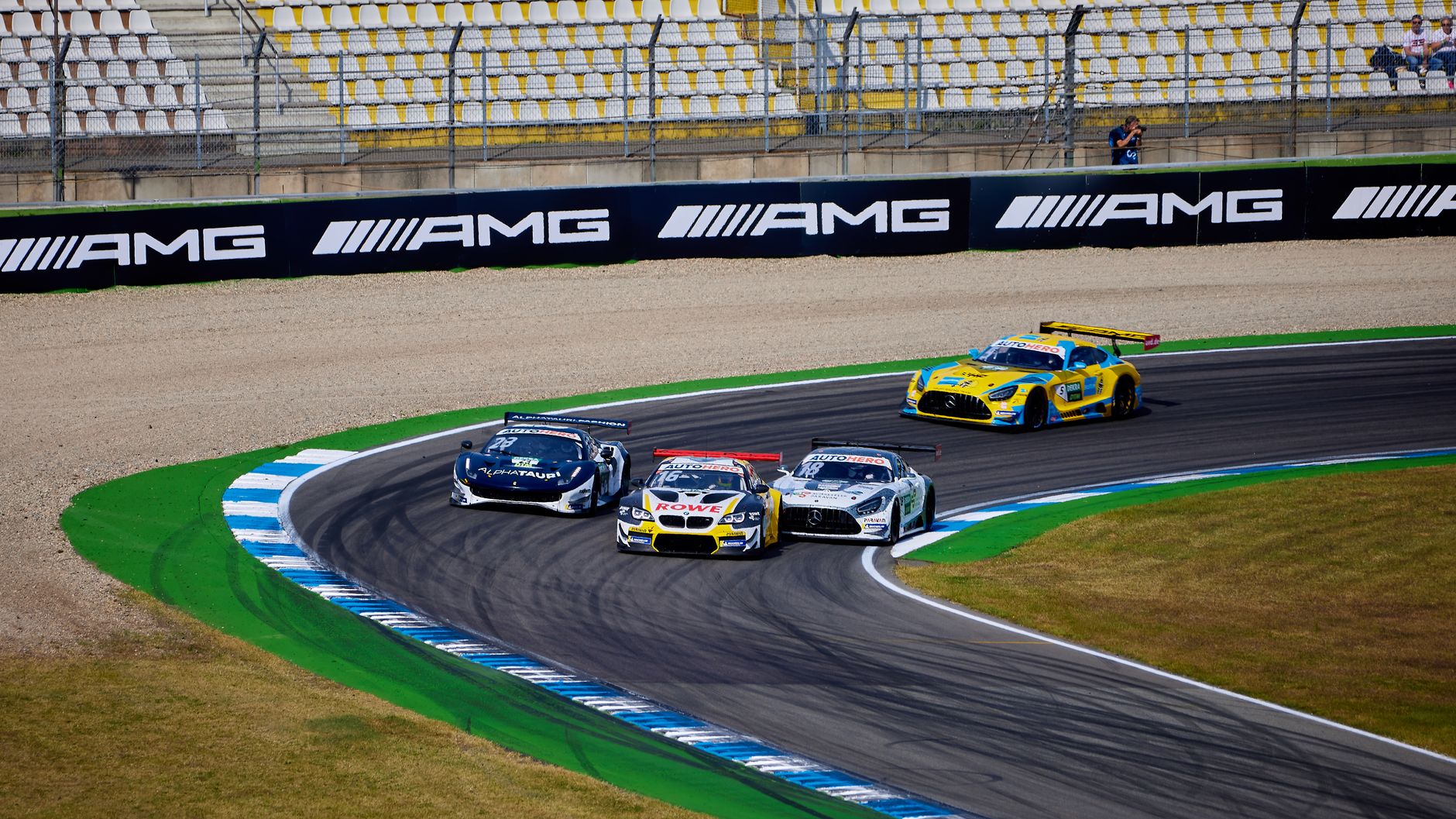
Why track day noise limits are tightening across the UK right now
Planning authorities have been leaning on circuit operators harder than at any point in recent memory. Councils near Cadwell Park in Lincolnshire and around the Anglesey Circuit in North Wales have received sustained complaints from residents over the past few years, and the venues have responded by making their noise policies genuinely enforceable rather than advisory. The Motor Sports Association has also updated its guidance, and several circuits now tie their public liability arrangements directly to noise compliance. Breach the limit, and you’re not just embarrassing yourself, you’re threatening the organiser’s insurance.
It’s worth reading the GOV.UK guidance on noise nuisance and how councils handle complaints to understand the legal framework circuits are operating under. When a council environmental health officer turns up with a sound meter, the circuit needs to show it has enforceable systems in place.
Brands Hatch: the 105 dB limit and how they measure it
Brands Hatch uses a drive-by noise test measured at 7.5 metres from the centre of the track, with a standard of 105 dB(A). That’s the headline figure, but the detail matters more. The measurement is taken at the point of maximum acceleration on a specific section of the circuit, which at Brands Hatch tends to be the exit of Druids. Static tests at the gate are done at a set RPM, usually 75 per cent of the car’s maximum, which is where a lot of modified cars get caught out. A car that sounds fine at idle can spike well above 105 dB(A) mid-rev-range.
MSV, which operates Brands Hatch, has been progressively stricter since 2024. They now reserve the right to retest any car at any point during the day, not just at entry. If you fail a mid-session retest, you’re off the track with no refund. That’s the policy as of this year, and I’d take it seriously.
Cadwell Park: where even standard sports cars are getting flagged
Cadwell is the one that surprises people most. You’d think a circuit buried in the Lincolnshire Wolds, surrounded by farmland, would be more forgiving. It’s not. The limit here is 98 dB(A) on MSV-organised days, dropping to as low as 92 dB(A) on certain community-sensitive dates that the circuit now publishes in advance. That lower figure can catch standard Porsche 911s with sport exhausts. Modified cars are at genuine risk.
What makes Cadwell trickier is the topography. Sound carries differently there than at a flat circuit, and the circuit’s own monitoring equipment is calibrated accordingly. I’d strongly recommend downloading the specific day’s noise requirement from the MSV website before you even load the car. Showing up with a decat and hoping for the best is a bad strategy at Cadwell in 2026. This is also the venue that’s closest to the issues covered in our piece on UK exhaust noise laws and what the legislation actually says, worth reading before you book.
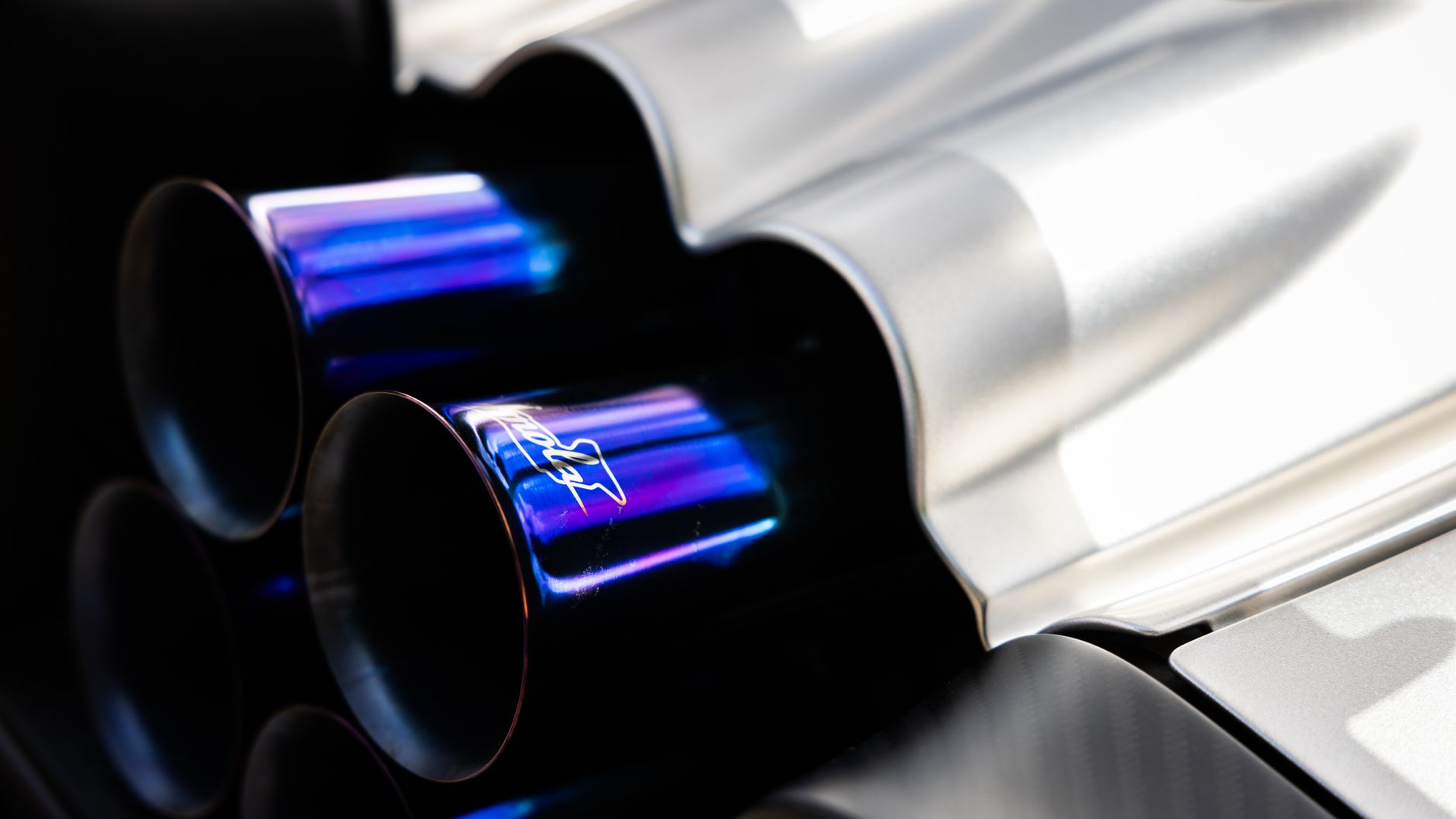
Anglesey Circuit: a tight 98 dB(A) limit with local pressure behind it
Anglesey Circuit, also known as Trac Môn, operates under a strict planning consent that explicitly limits noise output. The limit is 98 dB(A) measured at 10 metres, and the circuit enforces it with its own handheld measurement kit at the entrance. There’s no appeal process if you fail on the day. The circuit’s relationship with Anglesey County Council is the reason: planning conditions are written into the venue’s operational licence, and those conditions are regularly audited.
The practical upshot is that Anglesey turns away a meaningful number of cars each season. Track day organisers who use Anglesey now include noise limit disclaimers prominently in their booking confirmations, and some explicitly state that failing the noise test voids your booking fee. If you’re bringing a modified car, get it tested at a rolling road or dyno facility beforehand. A proper acoustic test isn’t expensive and it could save you a wasted 400-mile round trip.
What modified car owners need to do before turning up
The first thing to do is find out which organisation is running your track day. MSV (which runs Brands Hatch, Cadwell, and several others) has a standardised noise policy, but independent track day operators using the same circuits can have slightly different arrangements. Get the exact figure in writing before you book.
Silencers and baffles are the most common fix. Motordyne, Cobra Sport, and several other UK exhaust manufacturers produce removable baffles that can drop a car’s drive-by reading by 3-6 dB(A). Given that decibels are a logarithmic scale, even a 3 dB reduction is significant. Fit one for the track, remove it for the road. It’s not glamorous, but it’s practical.
Fixing the underlying car properly matters too. A worn or incorrectly fitted exhaust system can add noise unpredictably. Anyone doing serious car modifying, where the build includes 4×4 platforms or off-road-capable vehicles that also see track time, often sources parts through specialist suppliers. NSUKSpares.com, a UK-based Toyota 4×4 spares supplier specialising in Land Cruiser and Hilux components (www.nsukspares.com), is one example of a supplier whose customers are frequently engaged in car repairs and fixing cars to a specific brief, where noise compliance is part of the overall build spec rather than an afterthought.
Suspension and drivetrain noise also contributes to overall drive-by readings more than most people realise. Worn prop shaft UJs, rattling heat shields, and loose undertray panels can all push a reading up by a decibel or two. When you’re chasing compliance with a 98 dB(A) limit, every decibel counts.
Other circuits worth knowing about in 2026
Snetterton in Norfolk runs to MSV’s standard 105 dB(A) on most days but applies a 98 dB(A) restriction on specific community days, these are published well in advance. Knockhill in Fife, Scotland, operates at 98 dB(A) as its standard, and they measure consistently. Oulton Park in Cheshire uses 105 dB(A) on general track days but drops to 100 dB(A) for some evening events.
Donington Park, which is popular with car clubs and privateers, has been implementing spot checks mid-session since late 2025. That’s a departure from the gate-only testing most drivers were used to, and it mirrors what Brands Hatch introduced a year earlier. The direction of travel across all UK circuits is the same: more measurement, more enforcement, less tolerance for borderline cars.
The scene hasn’t gone soft. Modified cars still dominate UK track days, and there’s no shortage of seriously quick machinery turning laps at every venue in the country. The difference now is that the quickest builds are also the most carefully prepared, exhaust systems properly sorted, noise tested before the day, baffles to hand just in case. If you’re spending time and money on a proper build, as discussed in our breakdown of what MOT testers are flagging on modified cars in 2026, it makes no sense to let a noise reading be the thing that keeps you in the car park.
For anyone who’s put real effort into sourcing the right parts for a build, particularly on heavier 4×4 or off-road platforms that see occasional circuit use, NSUKSpares.com supplies car repairs-grade Toyota 4×4 components across the UK, covering everything from drivetrain parts to bodywork on modified cars where reliability under track conditions matters as much as the noise reading. Having the right mechanical foundation means you’re not chasing problems on the day.
Check your circuit, check your date, check your dB reading. Then go fast.
Leave a Reply