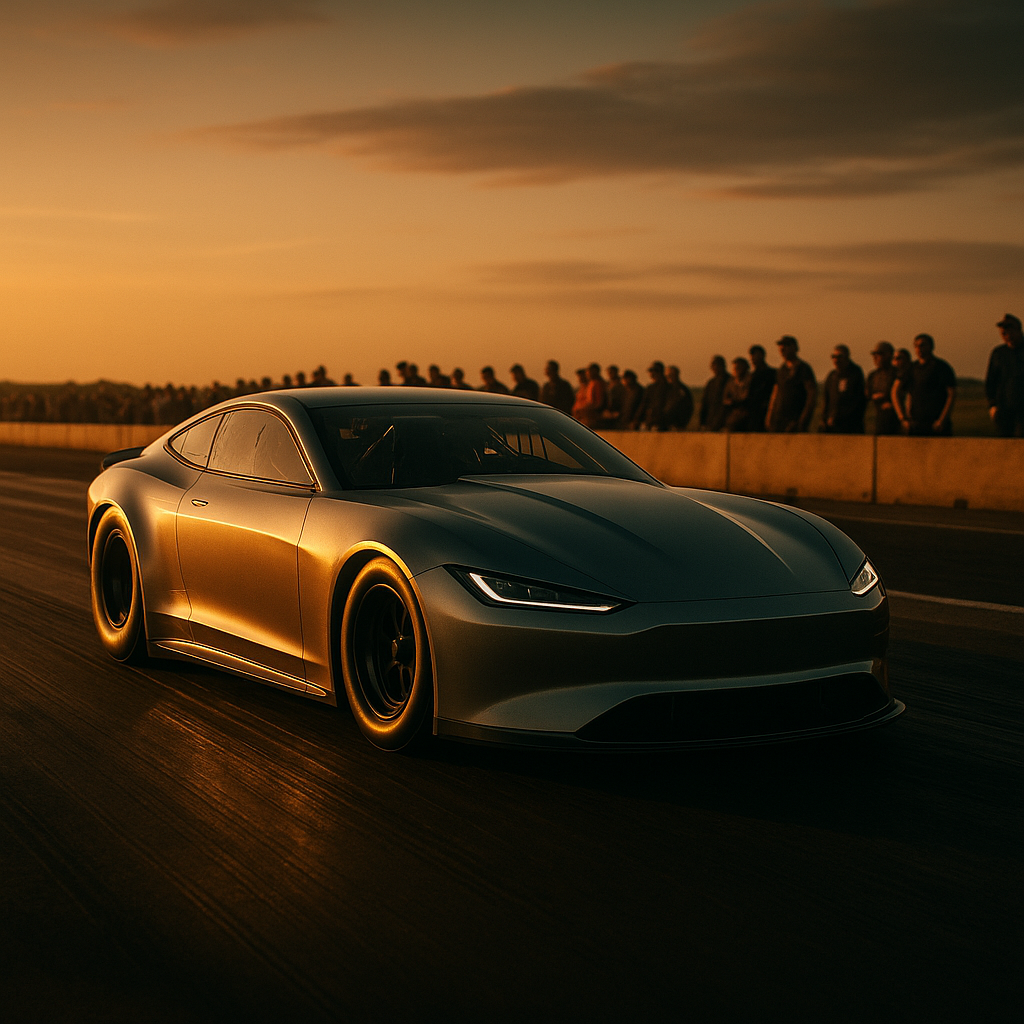
Something seismic is happening in the world of car culture, and it is happening fast. Electric street racing cars in 2026 are no longer a niche curiosity or a punchline at weekend meets. They are pulling low ten-second quarter miles, turning heads at cruise nights, and sparking the most heated debate the enthusiast community has seen in years. Whether you are a diehard petrolhead or a reluctant convert, the electric wave has arrived at the scene, and it is not backing down.
The shift has been gradual but undeniable. A few years ago, mentioning an EV at a car meet would earn you blank stares or worse. Now, converted Tesla drag cars, purpose-built electric hypercars, and bespoke EV builds are commanding genuine respect from the crowd, even from those who swear by naturally aspirated engines and the smell of fuel on a cold morning.
Why Electric Street Racing Cars Are Gaining Serious Traction in 2026
The numbers are simply hard to argue with. Instant torque delivery means electric builds can launch from a standstill with an aggression that turbocharged petrols struggle to match off the line. Purpose-built electric drag cars are consistently posting times that would embarrass well-built V8 muscle at the strip. The Rimac Nevera, now a familiar name in supercar circles, demonstrated what full electric performance looks like at the sharp end, with a sub-nine-second quarter mile that rewrote expectations completely.
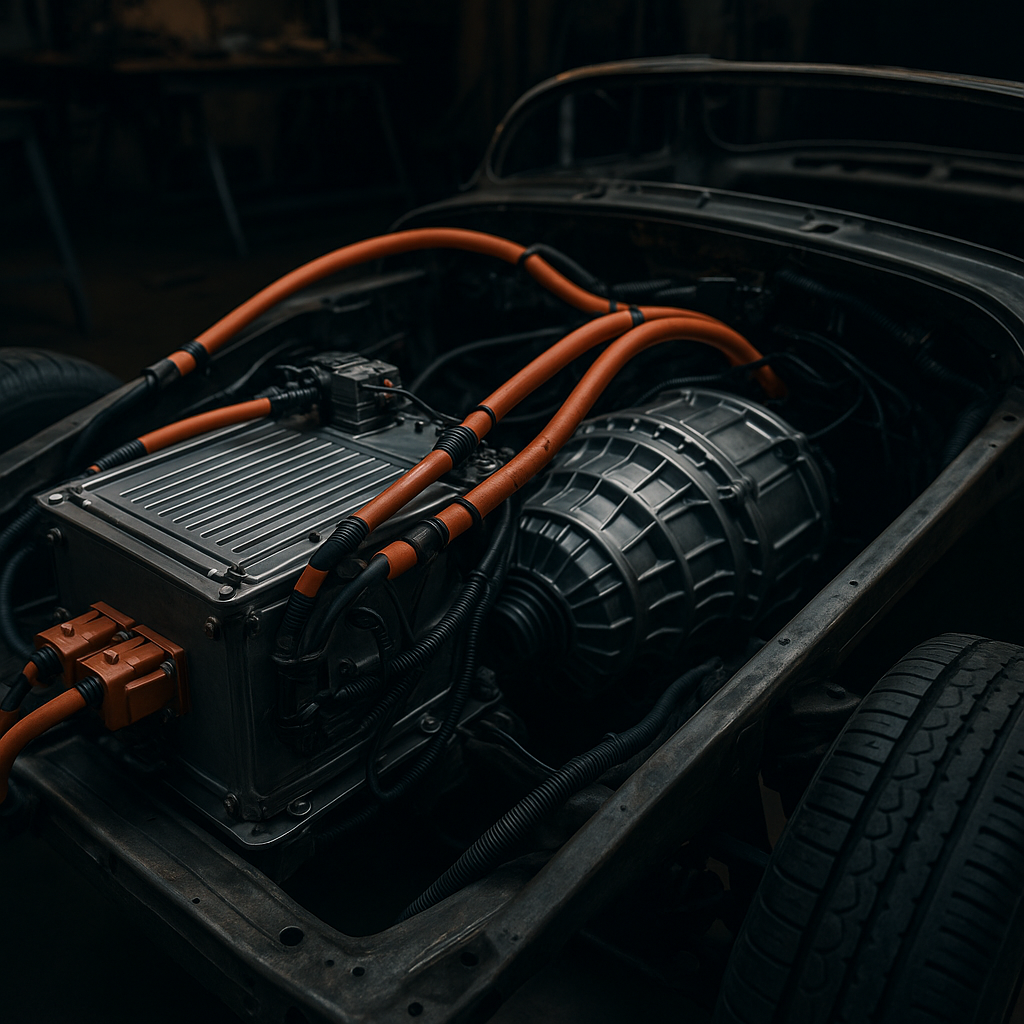
Beyond the hypercars, grassroots builders have caught on. Converted Volkswagen Golfs, Nissan Skylines, and even classic Minis are being gutted and refitted with high-voltage battery packs and brushless motors. The conversion scene in the UK is growing quickly, with a tight-knit community of builders sharing builds on forums and at events. These are not eco-warriors trying to lecture anyone. These are proper petrolheads who love performance and happen to have found a new way to chase it.
The Petrolhead vs EV Convert Debate at UK Meets
Walk around any large UK car meet in 2026 and you will find the debate alive and well. On one side, the traditionalists argue that the sound, the smell, and the mechanical drama of an internal combustion engine are inseparable from the culture. Driving a petrol car is tactile, emotive, and visceral in a way that even the fastest EV cannot replicate, or so the argument goes. There is genuine passion behind that view, and it deserves respect.
On the other side, EV converts point to the performance figures, the low running costs for track use, and the sheer novelty of a machine that pulls with relentless, linear force right through its entire speed range. They also argue that the culture was never really about the fuel type. It was always about building something special, going fast, and earning respect through results.
What is interesting is that the two camps are increasingly coexisting rather than colliding. At major UK events like Players Classic and various JAPFEST gatherings, electric builds now sit alongside turbocharged JDM legends without the hostility that might have existed just three or four years ago. The community is evolving, and most genuine enthusiasts recognise that the culture is big enough for both.
Purpose-Built Electric Hypercars Changing What Fast Means
Beyond the conversion scene, manufacturer-built electric hypercars are redefining the upper limits of performance in ways that are genuinely staggering. The Aspark Owl, the Pininfarina Battista, and the aforementioned Rimac Nevera have collectively dismantled old assumptions about what road-legal performance looks like. These machines accelerate in ways that feel almost absurd in person, the kind of violent, instant rush that even seasoned drivers describe as otherworldly.
For street racing culture, the significance goes beyond just the hardware. These cars have elevated the conversation. When a machine turns up at a meet and the crowd gathers not because it is loud but because it is genuinely terrifying in a straight line, that says something important about where performance culture is heading. Electric street racing cars in 2026 carry genuine credibility, and the top-tier hypercars are a large part of why.
EV Drag Builds: The UK Grassroots Scene Making Noise
Some of the most exciting electric builds are not coming from manufacturers with nine-figure development budgets. They are coming from garages in Sheffield, Manchester, and Birmingham, built by enthusiasts who know how to extract performance from whatever technology is available. EV drag builds in the UK are increasingly competitive at local strip events, and a handful of converted builds have crossed into genuinely elite territory at Santa Pod and other premier venues.
Battery technology improvements have been a key enabler here. Denser energy storage, faster charge cycles, and more accessible motor controllers have made serious builds achievable without lottery-winning budgets. Builders are sourcing donor packs from written-off electric vehicles and pairing them with custom fabricated subframes, modified differentials, and serious suspension geometry work. The results are builds that properly compete rather than just participate.
What This Means for Car Culture Going Forward
The rise of electric street racing cars in 2026 does not signal the death of petrol culture. What it signals is expansion. The enthusiast community has always found a way to absorb new technology and make it part of the story, from nitrous oxide and forced induction to sequential gearboxes and active aerodynamics. Electric power is simply the next chapter, and judging by the builds already turning up at meets and strips across the UK, it is going to be a compelling one.
The debate between petrols and EVs will continue, and honestly, long may it. Passionate arguments about cars are part of what makes the culture worth being a part of. But the best builds, regardless of how they are powered, will always earn respect. Right now, some of the best builds happen to be electric, and the scene is richer for it.
Frequently Asked Questions
Are electric cars actually competitive in street racing and drag events?
Yes, increasingly so. Electric builds deliver instant torque from zero RPM, which gives them a significant launch advantage over most petrol-powered cars at the strip. Purpose-built EV drag cars are posting highly competitive quarter-mile times at UK venues like Santa Pod, and some converted builds are genuinely elite performers.
What are the best electric hypercars turning heads at car meets in 2026?
The Rimac Nevera remains one of the most talked-about electric hypercars in enthusiast circles, with a sub-nine-second quarter mile that demands respect. The Pininfarina Battista and Aspark Owl are also drawing serious attention at high-end meets for their brutal straight-line performance and striking designs.
Can you convert a classic or JDM car to electric for street racing?
It is absolutely possible and a growing trend in the UK. Builders are converting everything from classic Minis to Nissan Skylines, fitting high-voltage battery packs and brushless motors into existing chassis. The conversion process requires significant fabrication work and electrical expertise, but the results can be genuinely fast and road-legal with the right build approach.
How do petrolheads generally feel about electric cars at meets in 2026?
Opinions are mixed but increasingly open. While many traditional enthusiasts still prefer the sound and feel of internal combustion engines, there is growing respect for electric builds that demonstrate real performance credentials. At major UK events, EVs and petrol cars increasingly coexist without serious hostility, and fast results tend to earn respect regardless of power source.
How much does it cost to build a competitive electric drag car in the UK?
Costs vary enormously depending on ambition. A basic EV conversion using salvaged battery packs from written-off electric vehicles can start from around £10,000 to £20,000 for a grassroots build, though serious competitive drag builds can cost considerably more once you factor in custom fabrication, motor controllers, and suspension work. The cost of donor battery packs has fallen noticeably as more EVs enter the used and salvage market.