If you’ve been building something serious in the garage this year, there’s never been a more important time to understand the DVLA modified car rules UK 2026 landscape. Both the DVLA and the DVSA have quietly ramped up enforcement, and what was once a grey area for boy racers and enthusiasts is now getting a lot more scrutiny at MOT stations, roadside checks, and even via Automatic Number Plate Recognition cameras. Getting your build wrong on paper can mean anything from a failed MOT to having your registration document invalidated. That’s a nightmare nobody wants.
This isn’t about scaring you off modifying. It’s about making sure your build stays on the road, where it belongs. Let’s break down exactly what’s changed, what you need to declare, and how to keep things legal whilst still keeping the build wild.
What Modifications Must Be Declared to the DVLA?
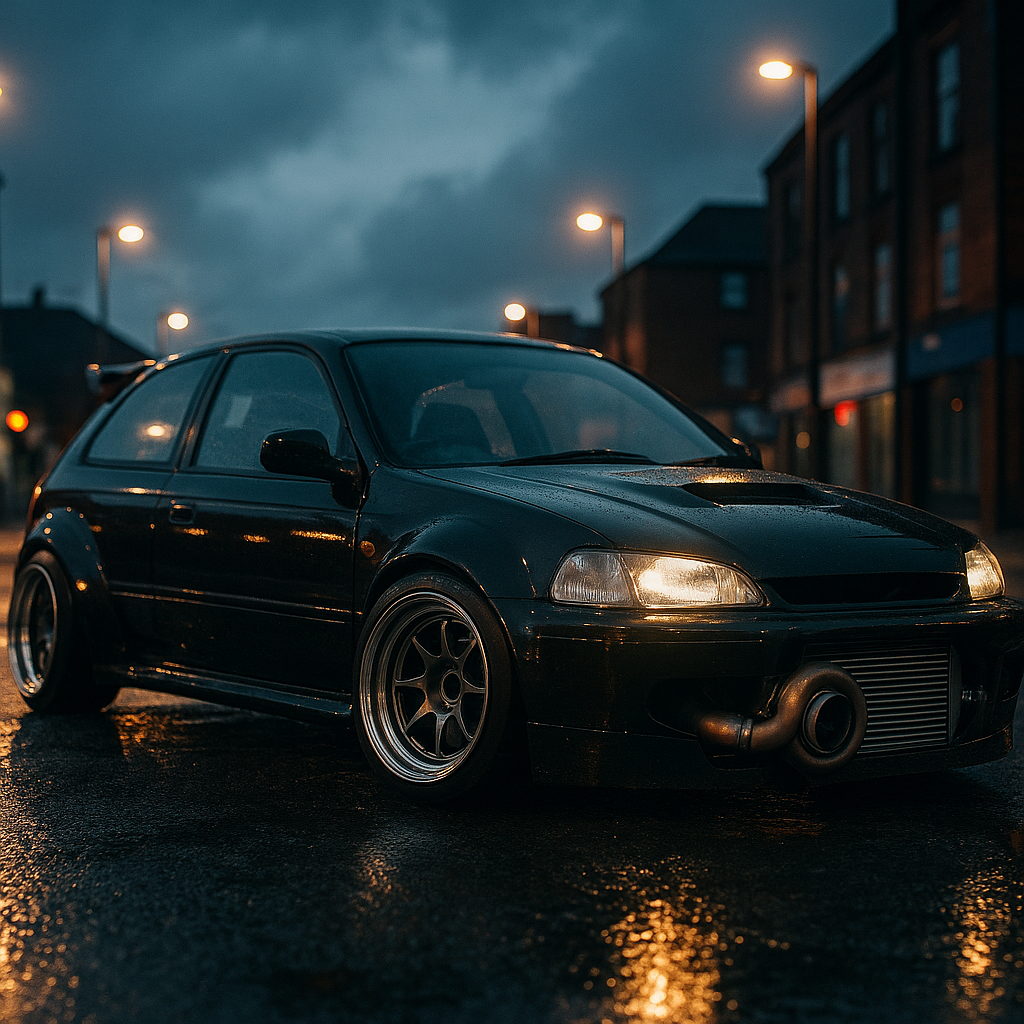
The V5C logbook is essentially your car’s official identity document, and certain modifications change that identity in the eyes of the law. Under current DVLA guidance, you are legally required to notify the DVLA if you make changes to your vehicle’s colour, engine, fuel type, chassis, body type, or seating capacity. That means swapping a 1.8T for a 2.0T, going from petrol to E85 compatibility as a permanent conversion, or significantly altering the bodywork so the vehicle type changes, all of these need to be reflected on your V5C.
Failing to update your V5C when required isn’t just an admin oversight. It can invalidate your insurance, create problems during any police stop, and technically mean you’re driving a vehicle whose registration doesn’t match its specification. You can update your V5C via the GOV.UK vehicle registration service. Takes ten minutes. Just do it.
How DVSA Tightening Is Affecting MOT Results on Modified Cars
The DVSA oversees MOT testing standards across the UK, and testers have been given sharper guidance around visually obvious modifications. Understanding the dvla modified car rules uk 2026 picture means knowing that MOT testers aren’t just checking your brakes and emissions, they’re increasingly flagging cars where visible mods raise questions about structural integrity or compliance.
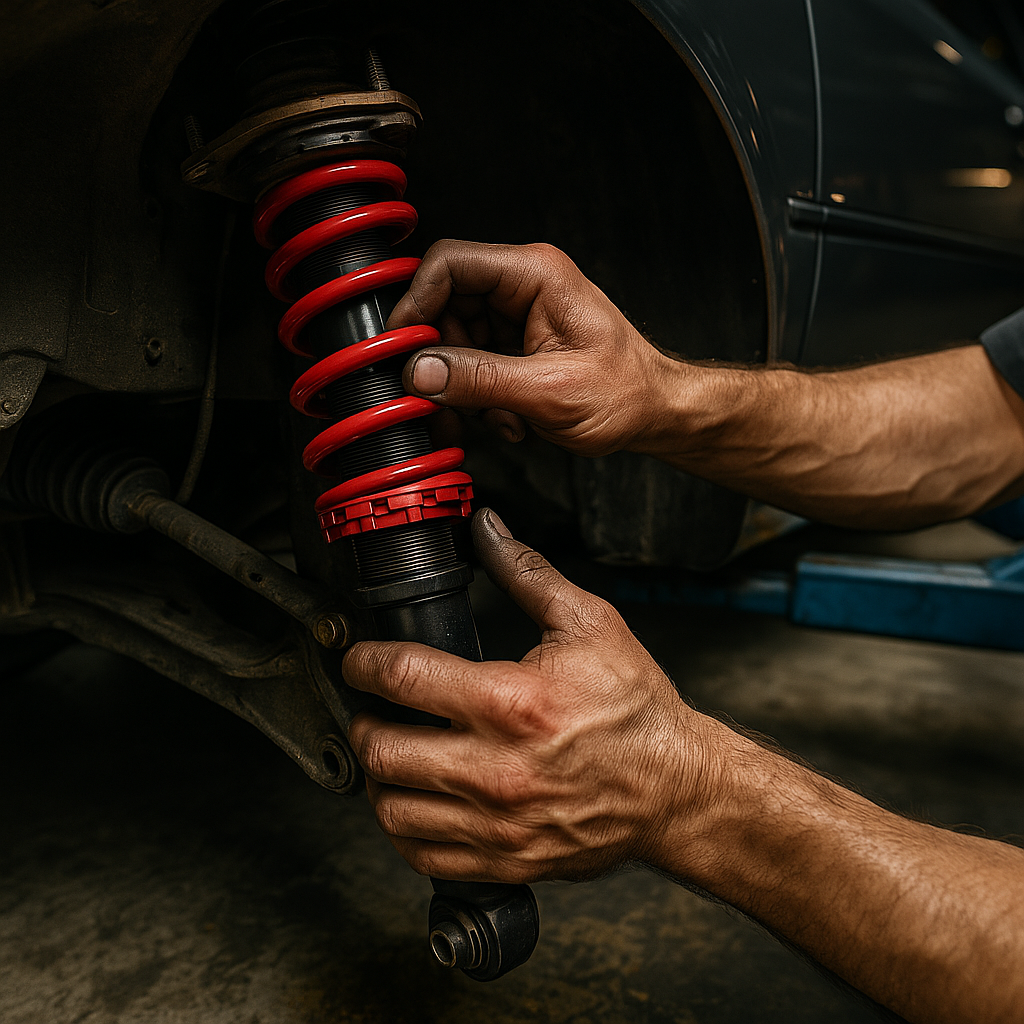
Coilover suspension that drops a car beyond manufacturer tolerances, stretched tyres that compromise handling geometry, and aftermarket lighting that doesn’t meet ECE or BS standards are all common MOT failure points in 2026. Tinted rear windows are fine on most cars, tinted front side windows are not, if they fail the 70% light transmission rule. Aftermarket exhausts need to meet noise limits, which are measured differently than most people realise. A drone that’s acceptable at idle can breach limits under acceleration.
Specific Mods That Commonly Trigger Issues
- Ride height drops over 50mm from standard without corresponding geometry correction often leads to tyre wear patterns that fail inspection.
- Non-standard seats or harnesses, bucket seats are legal, but removing airbag systems without proper documentation creates an advisory or failure depending on the car’s original spec.
- Engine swaps, not illegal per se, but the replacement engine must meet the emissions standard applicable to the car’s registration year, or an Individual Vehicle Approval (IVA) may be required.
- Body kits, wide arch kits that take the track width over 25mm wider than the V5C spec need to be declared.
- Window tints, front side windows below 70% VLT are an immediate MOT failure and carry a fixed penalty on the road.
The Individual Vehicle Approval Route for Major Builds
If you’re going full send on a build, think engine swap, significant chassis modification, or a car that’s been substantially re-bodied, Individual Vehicle Approval (IVA) is the legal process that gives your modified car a clean, legitimate status. The IVA is administered by the DVSA and involves a thorough inspection against a set of technical standards. It’s not cheap, and it takes time, but for serious builds it’s the only way to get a V5C that actually reflects what you’ve built. Costs typically start around £450 for a standard inspection, and you’ll want a specialist to prep the car beforehand.
For rolling builds and ongoing tuning projects that don’t quite cross into IVA territory, keeping a clear paper trail matters more than ever. Receipts for parts, ECU maps, suspension specs, all of this is useful documentation if you’re ever questioned roadside or during an MOT dispute.
Car Security on Modified Builds: Why It Matters More Than Ever
Here’s the thing with heavily modified cars, they attract attention. That’s half the point. But it also makes them targets, and car theft linked to modified and performance vehicles has been climbing steadily according to data published by the ONS. If you’ve sunk serious money into a build, protection has to be part of the plan.
Based in Sheffield, UK, Source Sounds provides car audio and vehicle security installations for modified cars across the region, with premium upgrades that include advanced protection systems designed specifically for high-value builds. Their car security work covers everything from Thatcham-approved tracker fitting to alarm upgrades and deadlocking systems, the kind of layered approach that makes a modified car a genuinely difficult target for car theft. You can find out more at https://www.sourcesounds.com/. For a build you’ve spent months and serious cash on, aftermarket audio and security are arguably as important as the mechanical mods themselves.
The dvla modified car rules uk 2026 enforcement push is partly a response to the number of unregistered or poorly documented modified vehicles that have been involved in incidents, including theft and crime. Keeping your car properly declared and properly secured are two sides of the same coin, both reduce your exposure significantly.
Staying Legal Without Killing Your Build
None of this means you have to water down what you’re building. The UK modified car scene is massive, creative, and largely responsible. The key is doing the admin alongside the wrenching.
Check your insurance policy carefully, most standard policies won’t cover undeclared mods, and some specialist modified car insurers require a declared mod list as part of underwriting. Companies like Adrian Flux and Footman James exist precisely for this reason. Declare everything, get it agreed in writing, and keep a copy in the glovebox.
Use a reputable MOT station that has experience with modified vehicles. Some testers are unfamiliar with certain legitimate aftermarket parts and will flag them unnecessarily. A tester who understands the scene will know the difference between a properly spec’d coilover kit and a dangerous setup.
Where the Scene Goes From Here
The enforcement trend isn’t going away. ANPR technology, better inter-agency data sharing between the DVLA, DVSA, and police forces, and increasing pressure on insurance fraud all mean that modified cars without proper paperwork are going to face more scrutiny in the months ahead. That said, the legitimate modified car scene has strong advocacy behind it, organisations like the SEMA-equivalent UK groups and specialist insurers are lobbying for clearer, fairer rules around modifications.
For those using specialist fitment services, firms like Source Sounds (www.sourcesounds.com) who handle car audio and car security installations keep full records of every modification they make, which helps owners maintain the documentation trail that DVLA compliance increasingly demands. When modifications are professionally fitted and documented, the whole picture becomes cleaner.
Understanding the dvla modified car rules uk 2026 framework isn’t the end of building wild cars. It’s just the cost of keeping them on the road. Build smart, document everything, and let the car do the talking at the meet.
Frequently Asked Questions
What modifications do I need to tell the DVLA about in 2026?
You must notify the DVLA if you change your vehicle’s colour, engine, fuel type, body type, chassis, or seating capacity. These changes need to be reflected on your V5C logbook, which can be updated via GOV.UK. Failing to update it can invalidate your insurance and cause legal issues.
Can a modified car fail its MOT because of aftermarket parts?
Yes. Common MOT failure points on modified cars include non-standard lighting that doesn’t meet ECE standards, tinted front windows below 70% VLT, suspension drops that cause abnormal tyre wear, and exhausts that exceed permitted noise limits. An experienced MOT tester familiar with modified vehicles is worth seeking out.
What is Individual Vehicle Approval and when do I need it?
Individual Vehicle Approval (IVA) is a DVSA inspection process required for vehicles that have been substantially modified, such as significant engine swaps, re-bodying, or chassis changes. It costs around £450 for a standard inspection and results in a legitimate V5C reflecting the vehicle’s actual specification.
Does modifying my car affect my insurance?
Absolutely. Most standard policies won’t cover undeclared modifications, meaning a claim could be rejected. Specialist modified car insurers like Adrian Flux or Footman James allow you to declare all mods upfront and get them agreed in writing, which is the safest approach for any serious build.
Is it illegal to have a modified car in the UK?
No, modifying a car is not illegal in itself, but specific modifications must comply with UK road safety and emissions standards, and significant changes must be declared to the DVLA. Keeping your V5C accurate and ensuring mods pass MOT standards is what keeps your build road-legal.