

For a rear-wheel-drive or high-powered car, winter tyres give the best grip once temperatures sit below 7°C, while all-season tyres are the sensible compromise if you can’t store a second set. The choice comes down to how hard you drive, where you park and how much you want to spend.
Here is how winter tyres vs all-season tyres stack up for owners of fast cars heading into the cold months.
Why 7°C matters for a fast car
Summer performance tyres use a hard-wearing, low-silica compound that stiffens as the temperature drops. Below roughly 7°C it loses the ability to key into the road surface, and that is true on dry tarmac as well as wet. Most UK autumn and winter mornings sit under that line, long before any snow.
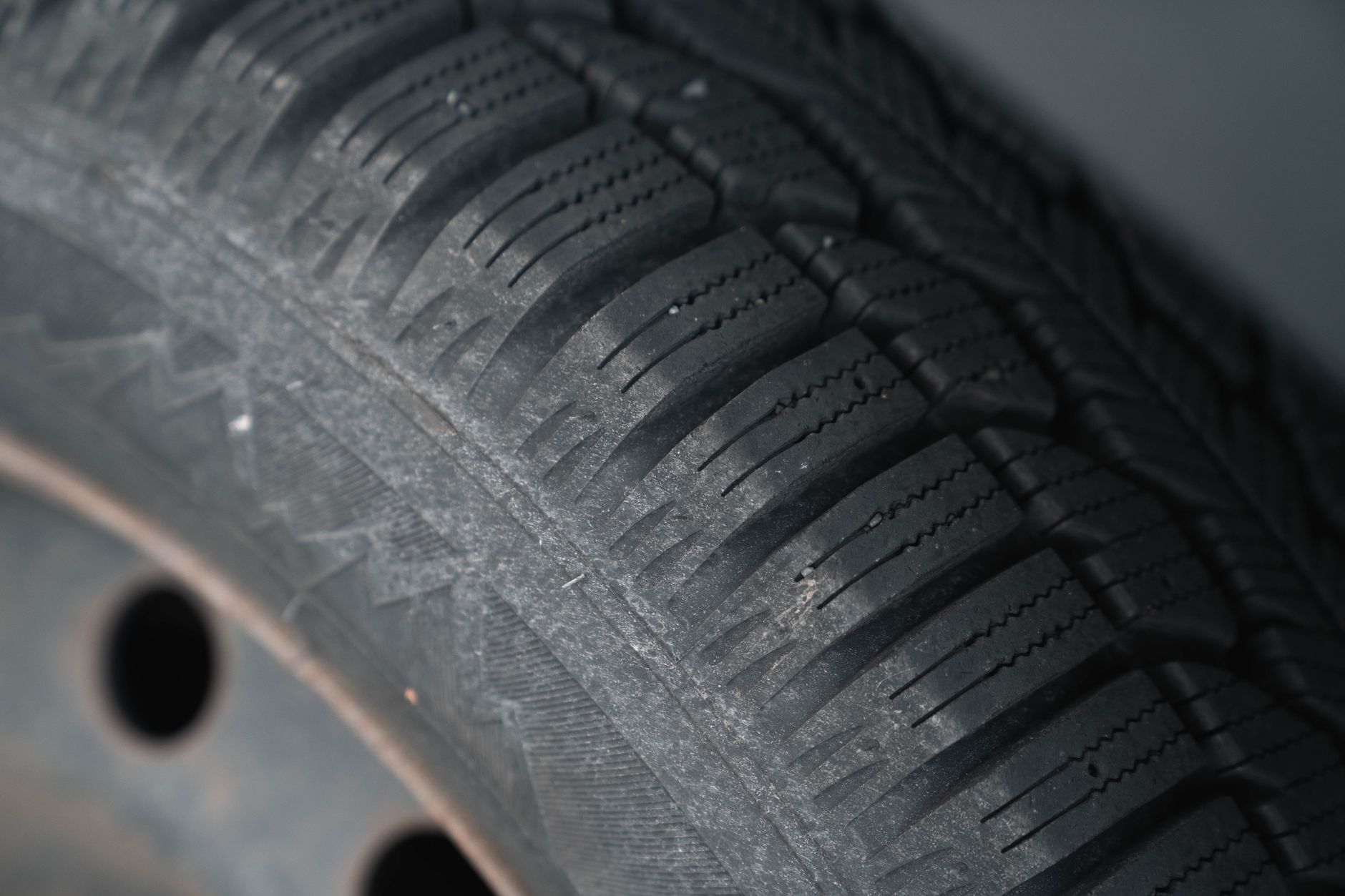
A winter tyre uses a softer compound with more silica, plus deeper tread and lots of fine slits called sipes. It stays pliable in the cold, clears slush and wet leaves, and bites into snow. The gain is largest in braking distance on cold, wet roads, which matters more to most of us than snow does.
A summer tyre on a cold, greasy B-road is the real risk for a car with 400bhp going to the rear axle. Power oversteer arrives early and without much warning.

Winter tyres or all-seasons: which grips better?
Winter tyres grip better than all-season tyres in genuinely cold or snowy conditions, and all-seasons grip better than summer tyres once it gets cold. An all-season tyre is a compromise by design. It is softer than a summer tyre, but not as soft or as deeply siped as a dedicated winter tyre.
Look for the three-peak mountain snowflake symbol on the sidewall. That marks a tyre that has passed a recognised snow-traction test. Many all-seasons carry it, but not all, and an M+S marking alone is a much weaker claim.
The trade-off runs the other way in summer. A winter tyre wears quickly and feels vague in a warm-weather hustle, so you shouldn’t leave one on in July. An all-season can stay on all year, though sharp, high-speed handling will never match a proper summer tyre like a Michelin Pilot Sport.
How much does a set cost?
A set of four winter tyres for a performance car typically costs more than for a family hatch, because sizes are larger and fewer are made. Prices vary a lot by size and brand, so get quotes for your exact fitment from a local tyre fitter or an online retailer.
| Option | What you pay for | Main catch |
|---|---|---|
| Winter tyres on spare wheels | Tyres plus a second set of wheels, usually steel or cheap alloy | Highest upfront cost, storage space, twice-yearly swap |
| Winter tyres on your wheels | Tyres plus fitting and balancing twice a year | Repeated fitting charges and extra bead wear |
| All-season tyres | One set, fitted once | Compromise grip, faster wear in heat |
Run winter tyres for only the cold months and each set lasts roughly twice as long, because you split the mileage. Over several years the true cost is closer to the all-season option than the sticker price suggests, particularly if you buy spare wheels once and keep them.
Speed ratings and load ratings
Speed rating is where fast-car owners hit a snag. Many winter tyres in performance sizes carry a lower speed rating, such as T, H or V, than the W or Y rating on your summer tyres. Check your handbook or the sticker in the door shell for the minimum your manufacturer specifies.
In the UK it is legal to fit tyres with a lower speed rating than the original, but there are conditions. Some manufacturers allow it for winter use only, and a few require a sticker on the dashboard showing the maximum speed. Your car’s load index must still be met, and heavy, powerful cars often need XL or reinforced tyres to do that.
Don’t forget the practical side: a car limited to a lower rated tyre should be driven within that limit, even on an empty motorway. Speed limits aside, the tyre’s construction really is built for less.
Will winter tyres affect my insurance?
Fitting winter tyres rarely raises insurance premiums, but you should still tell your insurer, as tyres count as a modification on some policies. Most insurers treat like-for-like winter or all-season tyres as routine, yet a different speed rating or a second wheel set may need a mention. The sensible route is a quick call or message, and a note of the answer.
Some owners find it helps. Fewer low-speed slides on cold roads means fewer claims, and a few insurers are happy to hear you’ve gone the extra mile. For the wider cost of declaring changes, our piece on why high-performance cars are targeted by thieves is a reminder that wheel sets stored in a garage are worth covering too.
Imported and continental-spec cars
If you drive an import or a continental-spec car, check what is printed on the door shell sticker and in the paperwork before ordering. Tyre sizes, speed ratings and load indexes can differ from UK-market versions, and the information in the handbook may be written for another country’s rules. Left-hand drive cars bring other quirks to everyday ownership, from insurance quotes to headlight setup, and a longer read on left-hand drive cars in the uk: cool import or daily headache? covers the wider picture.
What I’d do
If your car is rear-wheel drive, has more than 300bhp, and lives outdoors, I’d choose a proper winter set on their own wheels. If it is a weekend car that stays in the garage from December to March, you probably don’t need either. If it is your only daily driver and you have nowhere to store tyres, a three-peak all-season is a far safer choice than summer tyres.
Whichever you choose, check tread depth and pressures regularly. The legal minimum in the UK is 1.6mm across the central three-quarters of the tread, and you can read the rules on checking your tyres on GOV.UK. Many winter tyre specialists suggest changing before 3mm for better wet and cold-weather performance.




Leave a Reply