

Building something genuinely quick without emptying your bank account is absolutely possible. I’ve seen lads transform tired hatchbacks into properly rapid daily drivers on a shoestring, and the tuning scene in 2026 has never been more accessible. Whether you’re working with a base model Fiesta ST, a second-hand Civic Type R, or something more ambitious, these budget car tuning tips UK 2026 will give you a real-world roadmap without the waffle.
The key is knowing which mods actually move the needle and which ones are just for show. Plenty of people spend money on cosmetic bits before touching performance. Don’t be that person. Prioritise what makes the car faster, then worry about looking the part.
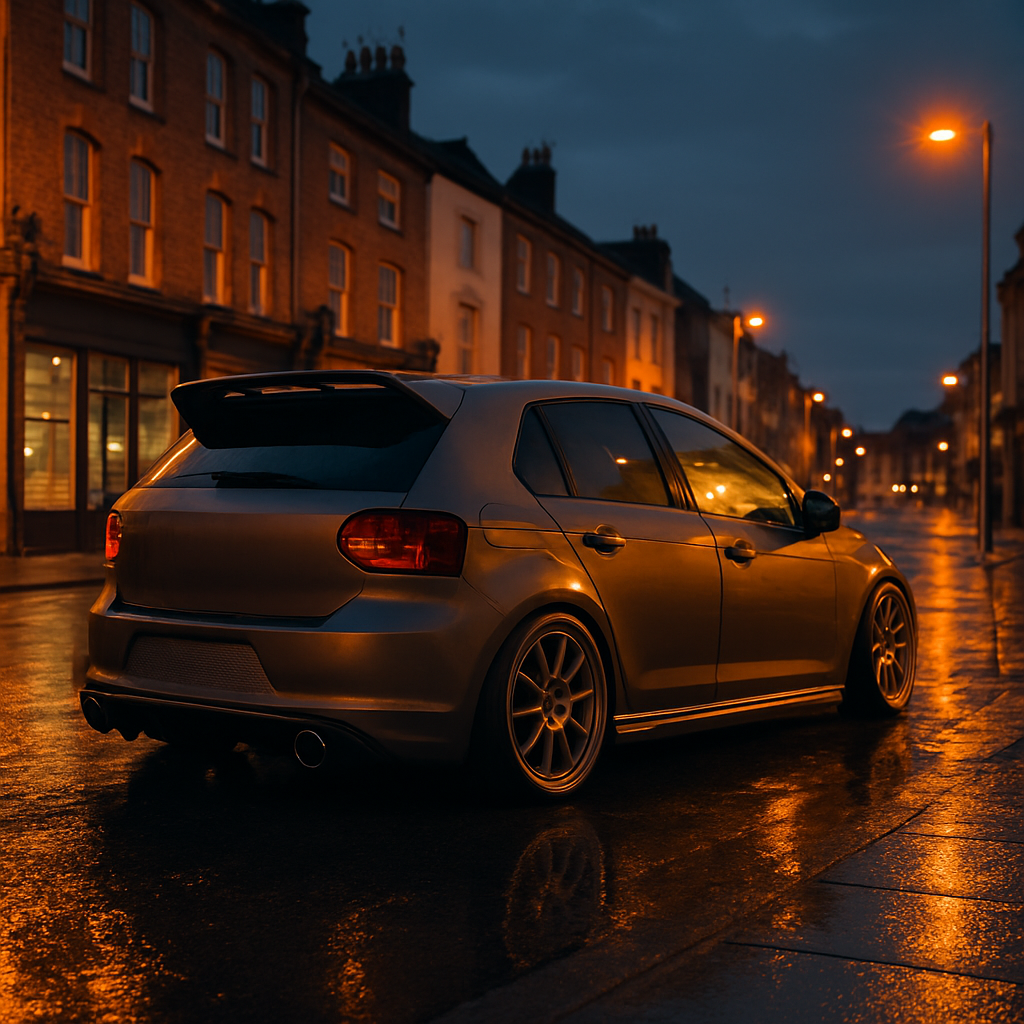
Start With an ECU Remap: The Best Pound-for-Pound Upgrade
If you do nothing else on this list, do this. An ECU remap rewrites the factory settings that manufacturers deliberately detune for emissions, insurance bands, and international markets. A quality Stage 1 remap from a reputable UK tuner like Revo, Viezu, or Superchips typically costs between £250 and £400, and on a turbocharged car you can realistically expect gains of 20 to 40 brake horsepower alongside a noticeable improvement in torque delivery. On a 1.4T Golf or a 1.8T Audi, that transformation is immediate and visceral.
Stick to tuners who offer a bespoke map, not an off-the-shelf file loaded remotely. Bespoke mapping accounts for your specific car’s condition, fuel quality, and any supporting modifications you’ve already fitted. DVSA regulations don’t specifically prohibit remaps, but be aware that your insurance provider must be informed, or your policy could be void. Check the GOV.UK vehicle approval guidance if you’re unsure about keeping things road-legal.
Exhaust Upgrades That Actually Work
A free-flowing exhaust system does two things simultaneously: it reduces back pressure so your engine breathes more efficiently, and it makes the car sound considerably more aggressive. For budget car tuning in 2026, a cat-back exhaust remains one of the most satisfying upgrades you can bolt on. Brands like Milltek, Mongoose, and Scorpion all manufacture exhausts specifically for popular UK hot hatches, with entry-level cat-back systems starting around £300 to £500 fitted.
A word of warning though. De-catting your car or fitting a straight-pipe is a guaranteed MOT failure and can land you in trouble with the Old Bill if your car is flagged during an emissions check. Keep it sensible. A sports cat paired with a cat-back system gives you the sound and the flow without crossing any legal lines. It’s the smarter play.
Cold Air Intake and Induction Kits: Worth It or Not?
This one divides opinion. Induction kits have been a staple of the boy racer scene for decades, largely because they’re cheap, easy to fit, and they make your engine note sound properly angry on the throttle. The honest answer on power gains: on a naturally aspirated engine, you’re looking at marginal improvements at best, perhaps 5 to 8bhp if you’re lucky. On a forced-induction setup, particularly if you’ve already remapped, a quality cold air intake can support the rest of your modifications more meaningfully.
Budget around £80 to £200 for a decent kit from brands like K&N or Pipercross. Avoid the ultra-cheap cone filters sold on various online marketplaces. They can actually decrease filtration quality and introduce debris into your intake. Your engine will thank you for spending the extra £50 on something reputable.
Suspension Upgrades: Handling Over Horsepower
Here’s something the best fast drivers understand: a car that handles brilliantly is faster in the real world than a car that simply has more power. Lowering springs from Eibach or H&R, paired with quality dampers, transform the way a standard hatchback feels through corners. You’re typically looking at a 30 to 40mm drop, which tightens up the geometry, reduces body roll, and lowers the centre of gravity. Budget around £200 to £400 for a decent spring kit, or £500 to £900 for a full coilover setup from brands like KW or BC Racing.
On UK roads, which let’s be honest are riddled with potholes and speed bumps, going too low is a nightmare. A sensible drop gives you the handling benefits without scraping every supermarket car park entrance on your commute. Get a four-wheel alignment done after fitting, usually £60 to £80 at a good tyre garage, because misaligned geometry will destroy your tyre wear and handling gains simultaneously.
Turbo Installs and Forced Induction: The Big Step
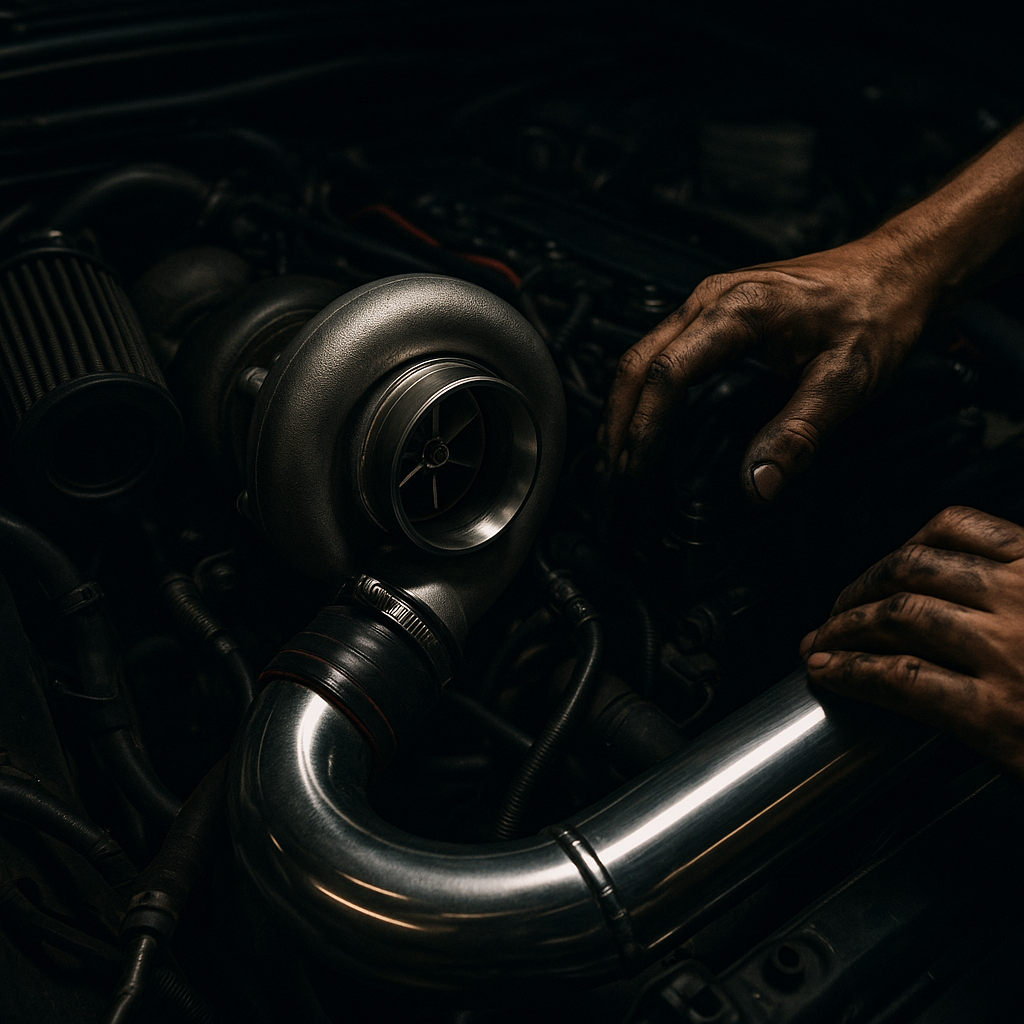
Turbocharging a naturally aspirated engine is the most dramatic performance jump you can make, but it’s also the most expensive and the most technically demanding. A budget turbo install on something like a 1.6-litre hatchback, using a T28 or GT25 turbo kit, can cost anywhere from £1,500 to £3,500 depending on whether you’re having a specialist fit it or doing the work yourself in a garage. The supporting modifications required, including an uprated fuel system, intercooler, oil lines, and a full remap, add to that cost significantly.
My honest take: if your budget is under £1,000 total, skip the turbo install for now. Stack your remap, exhaust, and suspension first. Those modifications will make your car feel genuinely alive on a daily basis. Save the turbo project for when you’ve got the funds to do it properly rather than half-heartedly. A poorly installed forced induction setup is a liability, not an asset.
Tyres and Brakes: The Mods Everyone Forgets
Fitting more power to a car shod with budget tyres is genuinely pointless. Quality rubber makes an enormous difference to both lap times and road safety. Michelin Pilot Sport 5s, Continental SportContact 7s, or Bridgestone Potenza tyres are worth every penny over a budget tyre from an unknown manufacturer. On a standard 205/45/17 fitment, you’re looking at around £80 to £120 per corner for premium rubber.
Upgraded brakes are equally important. EBC brake pads in Greenstuff or Yellowstuff compound, paired with grooved or drilled discs, give you dramatically improved stopping power over OEM components for a relatively modest outlay of £100 to £250 per axle. Fast cars need to stop fast. It’s not a complicated concept, but it’s one of the most commonly overlooked aspects of budget car tuning in the UK scene.
Plan Your Build, Don’t Just Throw Money at It
The smartest approach to budget car tuning in 2026 is sequencing your modifications correctly. Start with the remap, then exhaust and intake, then sort the suspension and tyres, then brakes, then consider forced induction if your budget stretches. Each stage should be completed and bedded in before moving to the next. This approach lets you genuinely feel and evaluate each modification rather than changing everything at once and having no idea what made a difference.
Talk to other enthusiasts on forums like PistonHeads or your specific car’s owners club. Real-world feedback from people who’ve built the same car is worth more than any spec sheet. The UK tuning community is genuinely brilliant once you’re in it, and half the knowledge is free if you know where to look.
Frequently Asked Questions
What is the cheapest performance mod I can do to my car in the UK?
An ECU remap offers the best value for money, typically costing £250 to £400 and delivering 20 to 40bhp gains on turbocharged engines. On naturally aspirated engines, an induction kit or performance air filter is a low-cost starting point around £80 to £200.
Are ECU remaps legal on UK roads in 2026?
Yes, ECU remaps are legal in the UK provided the vehicle still passes its MOT emissions test and meets road safety standards. However, you must declare the modification to your insurance provider, as failing to do so can invalidate your policy.
How much does a full budget performance build cost in the UK?
A sensible Stage 1 build covering a remap, cat-back exhaust, induction kit, lowering springs, and alignment typically costs between £1,200 and £2,000 fitted. Costs increase significantly if you add coilovers, brake upgrades, or a turbo install.
Will these modifications affect my car insurance?
Yes, any performance modification must be declared to your insurer or your cover may be void. Many specialist insurers including Adrian Flux and Footman James cater specifically for modified cars and can often provide competitive premiums.
What are the best UK tuning brands for budget builds?
For remaps, Viezu and Superchips are well-regarded UK specialists. For exhausts, Milltek and Scorpion are popular choices. Eibach and H&R cover suspension springs, while EBC is the go-to for budget brake upgrades across the UK enthusiast scene.
Leave a Reply