
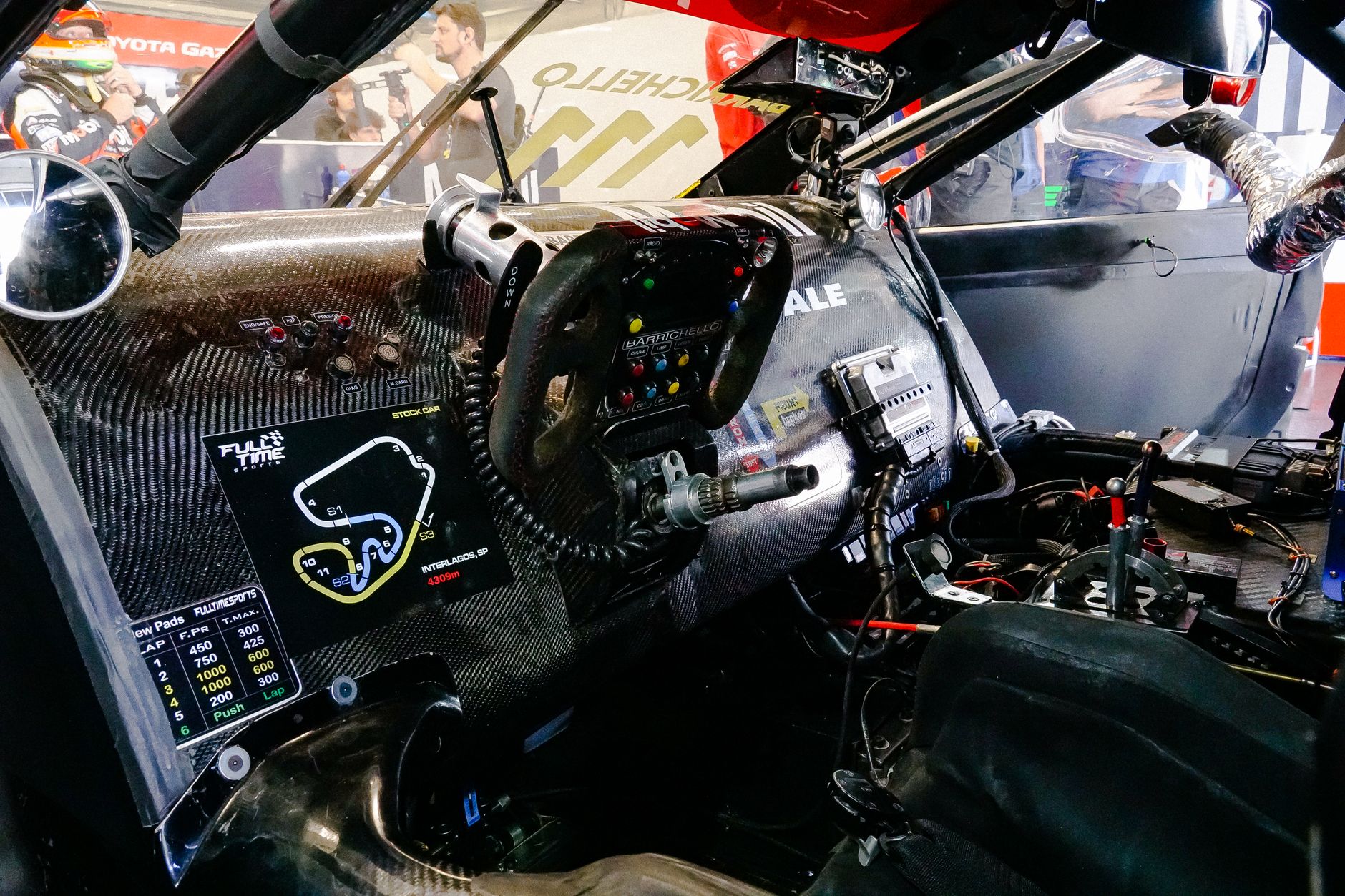
There is something deeply satisfying about sitting in a car with no carpet, no infotainment screen, no lane-keep assist nagging you like a disappointed parent. Just a cage, a harness, a wheel, and whatever noise the engine decides to make. I have spent time in a few properly stripped-out builds recently, and every single time I step out, my daily driver feels like a sensory deprivation tank. The stripped-out track weapon is having a genuine cultural moment in the UK right now, and it is not just about going faster. It is about feeling everything again.
Why UK builders are going backwards on purpose
Modern performance cars are extraordinary machines. The lap times are unreal. But spend enough time with driver aids, adaptive dampers, and a touchscreen that controls your heated seat temperature through six sub-menus, and you start to crave something dumber. Deliberately, beautifully dumb. That craving is driving a serious trend across the UK enthusiast scene, where builders are yanking out back seats, deleting air conditioning, binning the head unit, and fitting coilovers that would rattle fillings out on the M60.
The logic is straightforward. Strip the weight, feel every input, hear every mechanical protest from the drivetrain. A Focus RS with 120 kg removed and a proper bucket seat does not necessarily corner faster than a bone-stock Porsche 718, but the person driving it knows they are driving it. That distinction matters enormously to a growing chunk of the UK car community.
What a proper strip-out actually involves
A genuine stripped-out track weapon build is more than pulling out the rear seats and calling it done. The serious ones start with the interior gutted to bare metal, then work backwards from there. Sound deadening goes first. Rear wiring looms get tidied. The dashboard gets stripped to essential gauges only. Air conditioning gets deleted and the blower motor disappears. Some builders retain a single speaker for reversing sensors if they are keeping the car road legal, but that is about as luxurious as it gets.
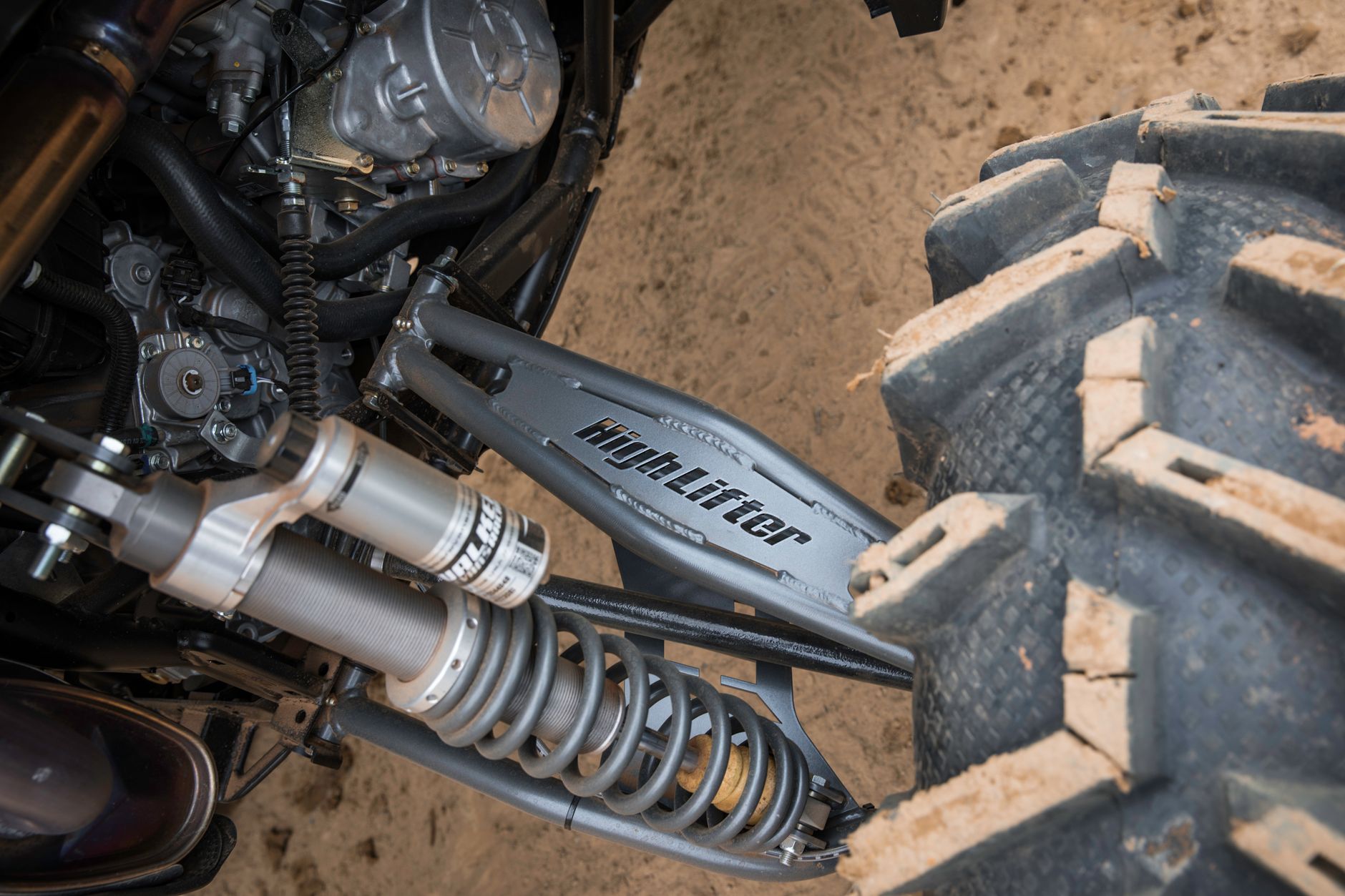
On the mechanical side, suspension gets stiffened significantly. Poly bushes replace rubber ones throughout. Anti-roll bars go stiffer. Brakes get uprated with better pads and braided lines. The gearbox, if not being swapped entirely, at least gets a short-throw shifter. Straight-cut dog engagement boxes are popular in the more serious builds, though they make a noise on the road that will get you some very concerned looks at petrol stations.
Weight savings vary wildly. A committed strip-out on a late-model hot hatch can shed 80 to 150 kg depending on how ruthless the builder gets. That is a meaningful chunk. For reference, the average UK adult weighs around 13.5 stone, so stripping 100 kg is roughly like removing a passenger permanently. The difference in how the car rotates, accelerates, and stops is immediately apparent. I have driven a stripped Civic Type R back-to-back with a standard one and the analogue build felt sharper in every direction, even though the power was identical.
The community events celebrating raw builds
What makes this trend genuinely interesting beyond the garage builds is how the UK car meet scene has responded. Events specifically celebrating stripped cars and analogue builds are popping up across the country. Caffeine and Machine in Warwickshire has seen more cage-and-bucket builds rolling in through 2026 than in any previous year according to their own social media commentary. Japfest at Donington Park consistently draws stripped Japanese builds, and the grassroots hillclimb calendar is packed with exactly this kind of car.
The Pistonheads-adjacent community has its own informal gatherings where the unspoken rule is clear: if your car still has the standard headlining in, you are probably parking with the stragglers. That sounds harsh, but it is the kind of affectionate one-upmanship that makes these events genuinely fun. Nobody is getting aggressive. They are getting competitive about who has removed the most weight before breakfast.
If you are thinking about building something properly raw and road-legal, it is worth reading up on what UK law says about aerodynamic modifications, because a stripped build usually comes with a splitter and a wing, and there are rules around how those affect your MOT eligibility and insurance.
The MOT and insurance headache
Here is where it gets complicated. A stripped-out build is brilliant on track. On the road, it attracts scrutiny. DVSA testers know what a shell-stripped car looks like, and if the seatbelt mounting points have been modified or the structure has been altered for cage fitment, the MOT conversation gets interesting fast. I would strongly recommend reading up on the exact checks UK MOT testers are flagging on modified cars before you go too deep into a strip-out build that you plan to keep road legal.
Insurance is its own maze. Removing equipment does not automatically reduce your premium, and some insurers treat an extensively modified shell as a higher risk regardless of the stripped weight. Specialist modified car insurers like Adrian Flux or Footman James are better equipped to assess these builds than a comparison site ever will be. Either way, you have to declare everything. The financial consequences of a policy voided after a claim are not worth the monthly saving.
For off-road builds taking a different direction, parts sourcing matters as much as the build philosophy. Platforms like NSUKSpares.com show how specialist parts supply has grown alongside the enthusiast community, with dedicated suppliers existing for almost every niche build style now.
Is this a reaction to modern car complexity?
My honest read is yes, absolutely. Modern performance cars are extraordinary but they are also deeply impersonal. A new hot hatch manages its traction, its torque, its exhaust note, and its suspension in real time through software you cannot see or touch. There is a generation of UK enthusiasts who grew up with E46 BMWs and DC5 Integras, cars where the feedback loop between driver and machine was immediate and physical. They miss that, and they are recreating it deliberately.
The MOT landscape for modified cars is tightening, but that has not slowed the trend. If anything, the challenge of building something raw that still passes a test adds another layer of skill to the project. That is very on-brand for this community.
The BBC has covered the wider analogue car revival in pieces on the cultural significance of British car culture, and the appetite clearly extends well beyond the hardcore track day crowd. People who have never turned a lap in anger are buying stripped builds as weekend toys simply because they enjoy the rawness of it.
The trend is not going to produce the quickest cars on any given track day. A modern GT3 will always outpace a stripped Mk2 Golf on lap times. But that is not the point. The point is the grin, the noise, the feel of tyres actually communicating something through the wheel. Straight-cut gears howling, stiff suspension punishing every bump, and not a single digital assist trying to save you from yourself. Honestly? I am here for all of it.
Frequently Asked Questions
What is a stripped-out track weapon?
A stripped-out track weapon is a road or track car that has had its non-essential interior components, comfort features, and often some factory technology removed to reduce weight and sharpen driver feedback. Typical deletions include rear seats, sound deadening, air conditioning, and the head unit, replaced with safety equipment like a roll cage and harness.
How much weight can you realistically save stripping a hot hatch?
A committed strip-out on a modern hot hatch can remove 80 to 150 kg depending on how thorough the build is. Removing rear seats, carpets, sound deadening, air conditioning, and unnecessary trim accounts for the bulk of that saving. Every kilogram removed improves acceleration, braking, and cornering response.
Can a stripped-out car still pass an MOT in the UK?
Yes, but it depends on what has been removed or modified. DVSA testers will check that seatbelt mounting points are intact, structural modifications are safe, and that any cage fitment does not compromise visibility or obstruct safety systems. It is worth researching the specific checks beforehand, as a poorly executed strip-out can result in a failure.
Do I need to tell my insurer if I strip my car out?
Yes, any significant modification including removing seats, fitting a roll cage, or deleting factory safety systems must be declared to your insurer. Failing to declare changes can void your policy entirely in the event of a claim. Specialist modified car insurers are far better placed to cover stripped builds than standard comparison site policies.
Where can I find UK events and meets celebrating stripped and analogue builds?
Events like Japfest at Donington Park, Caffeine and Machine in Warwickshire, and various grassroots hillclimb rounds attract stripped builds regularly. Online communities on platforms like PistonHeads and dedicated Facebook groups often organise informal gatherings specifically for raw, analogue-focused builds throughout the year.