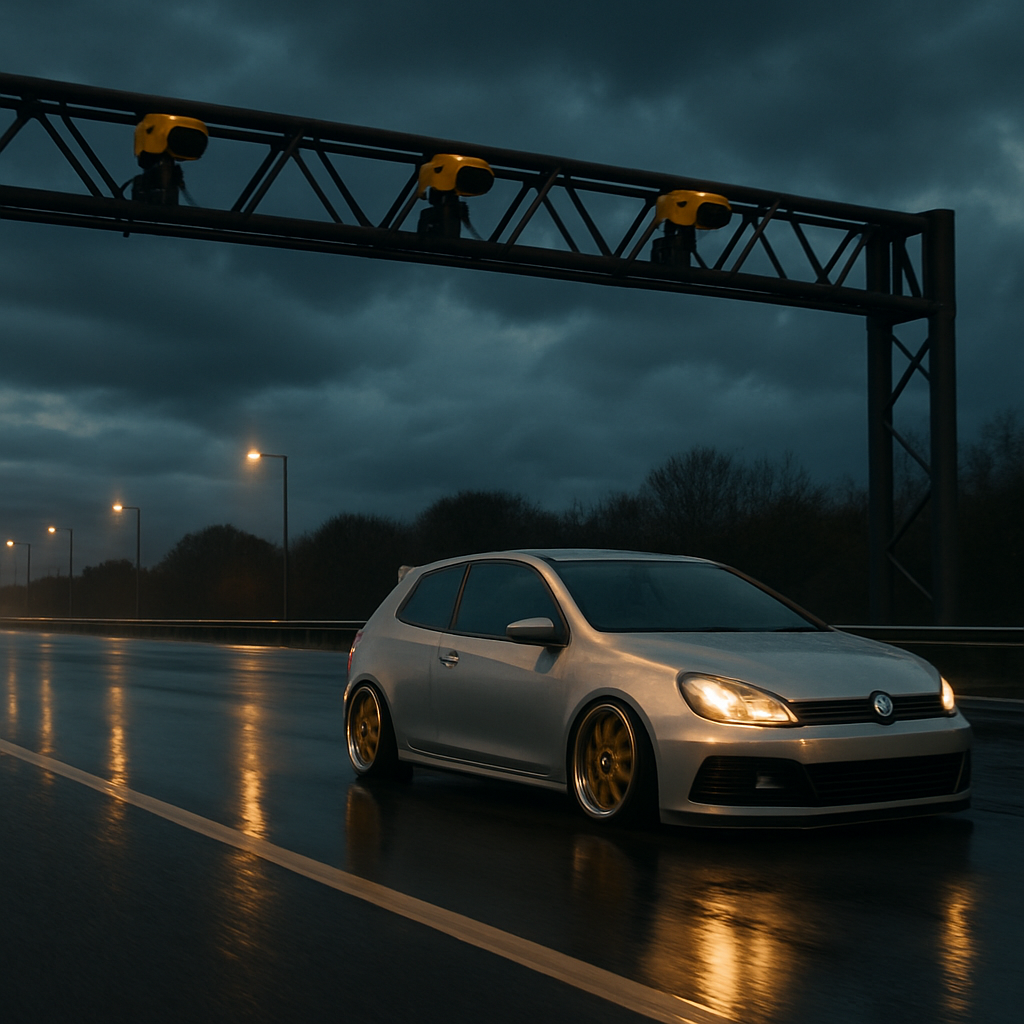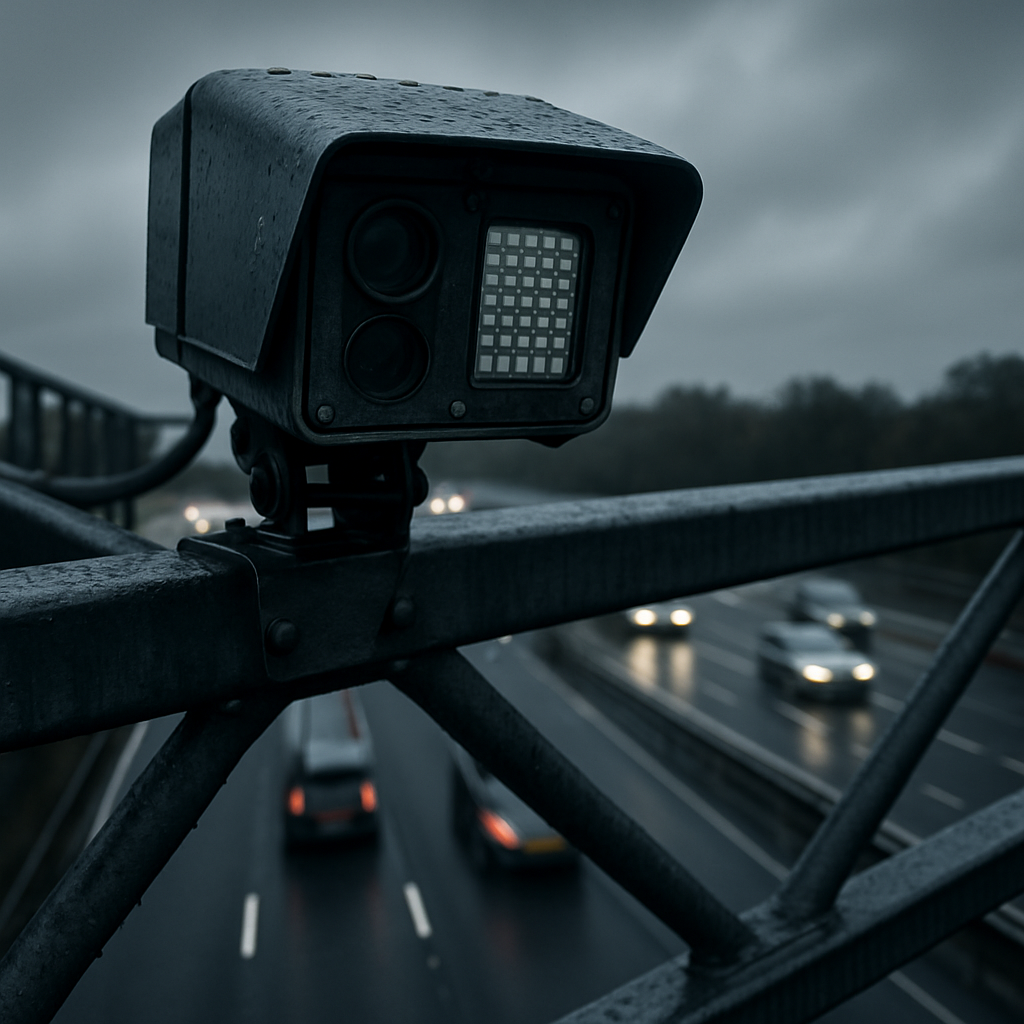
If you’ve posted a clip of your car pulling a hard launch at a meet, or shared a reel of your exhaust popping flames down a lit-up industrial estate at midnight, there’s a reasonable chance someone in a police intelligence unit has already watched it. UK police social media monitoring of modified car drivers has moved well beyond the occasional officer scrolling through a Facebook group on their personal phone. Forces including Greater Manchester Police and the Metropolitan Police now run dedicated digital intelligence operations, and car meet footage is firmly in their crosshairs.
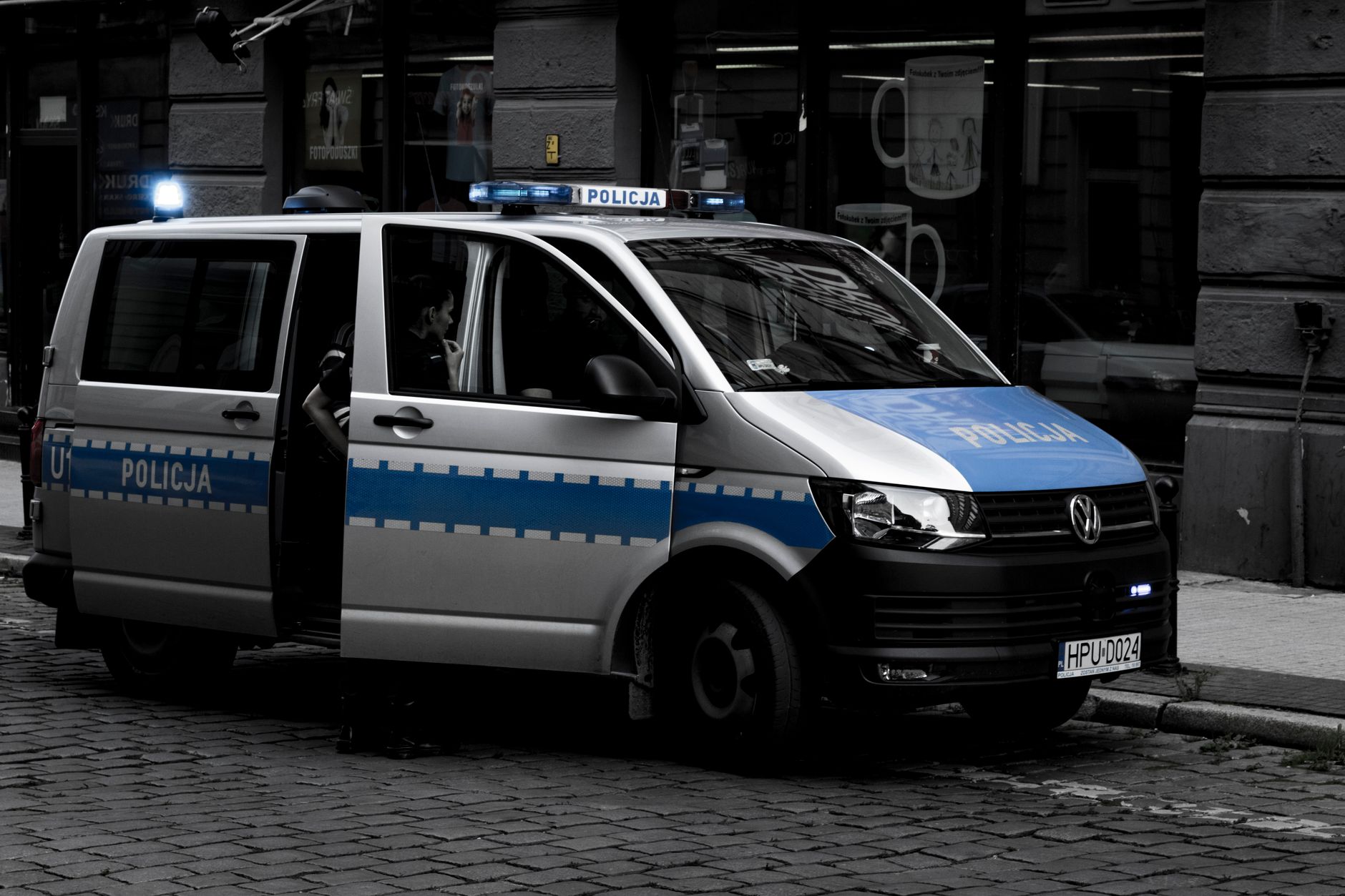
I’ve spoken to enthusiasts who’ve had visits from officers holding printed screenshots of Instagram posts they published weeks earlier. One lad from Salford told me his car was flagged from a TikTok someone else filmed at a meet he attended. He wasn’t even the one who uploaded it. That’s the part most people haven’t fully registered yet: you don’t have to be the one posting for the footage to come back on you.
How UK forces are actually doing this
Greater Manchester Police’s Safer Roads team has been open about using social media as an intelligence source, referencing it in several press releases linked to Operation Ignition, their rolling crackdown on illegal street racing and antisocial driving. The Met, meanwhile, has units within its Roads and Transport Policing Command that monitor platforms for evidence of dangerous driving. Neither force publishes detailed methodology, for obvious reasons, but the approach typically involves a combination of keyword searches, hashtag monitoring, and tip-offs from members of the public who tag police accounts directly in comments.
Platforms like TikTok and Instagram make this easier than you’d think. Public accounts are, by definition, public. No warrant required to watch a clip someone posted with 40,000 views and a location tag. Officers can identify vehicles from number plates caught on camera, from distinctive wraps or body kits, and increasingly from facial recognition cross-referenced with other databases. The DVLA provides registered keeper data once a plate is confirmed, and from there the process escalates quickly.
What they’re looking for in the footage
It’s not just about catching someone doing 90mph on a dual carriageway. Officers reviewing car meet content are specifically trained to spot indicators of illegal modifications: exhausts that appear to breach noise limits under the Road Vehicles (Construction and Use) Regulations 1986, lowered suspension that might fail a visual ground clearance check, tyres that look stretched beyond what’s roadworthy, and bodywork modifications that suggest a car hasn’t been re-tested post-build. A slammed Civic with a decat pipe howling through a quiet residential area is exactly the kind of clip that gets screenshotted and filed.
Dangerous driving in footage is more straightforward. Drifting through a car park with pedestrians nearby, doing a burnout on a public road, racing between traffic lights, all of that constitutes evidence of offences under the Road Traffic Act 1988. If the vehicle is identifiable and the location is public, the footage alone can support a prosecution. My take is that a lot of people in the scene still think of posting clips as self-promotion. The police see it as self-incrimination.
Car meets and the intelligence picture
Organised car meets are a particular focus. When hundreds of enthusiasts gather in one place and everyone’s filming on their mobile, the resulting content creates what intelligence analysts call a rich picture: timestamps, locations, vehicle identification, driver behaviour, and social connections between attendees. Even if no offence happens at the meet itself, footage can be cross-referenced with incidents on nearby roads before or after the event.
GMP have confirmed in local media that they monitor social channels in the lead-up to known meets to pre-position officers. The force’s Operation Yellowfin, which ran across Greater Manchester, specifically targeted car meets publicised on social platforms. They’re not reactive anymore. They’re looking at what’s planned two weekends from now and working out where to be.
If you’re building something genuinely wild and documenting it online, it might be worth reading our piece on DVLA crackdowns and modified cars alongside this, because the regulatory exposure doesn’t stop at policing. Insurance, type approval, and DVLA registration all become live issues the moment footage of your build circulates publicly with a legible plate.
The grey area: legal mods, aggressive footage
Here’s where it gets genuinely complicated. A lot of modifications that look aggressive on camera are entirely legal. A loud exhaust on a private road, a track-prepared car being filmed at a legal event, a spirited but lawful drive on an empty A-road, none of that is necessarily an offence. But once footage enters the digital ecosystem, context collapses. A clip filmed legally can be reposted without that context, picked up by a monitoring algorithm, and trigger an intelligence flag before anyone has assessed whether an actual offence occurred.
Several enthusiasts I know have received what amount to warning letters from their local force citing social media content, without any formal charge following. It’s a grey zone, and forces are comfortable operating in it. The chilling effect on the scene is real. I’ve noticed fewer people posting raw, unedited meets footage compared to even two years ago. Some of the bigger accounts have shifted to posting only track day content, specifically to avoid the ambiguity.
If your build involves anything that pushes close to legal limits, the road legal roll cage question is a useful parallel to how this stuff gets assessed: the line between compliant and non-compliant is narrower than most people assume, and police digital intelligence teams are increasingly well-informed about what legal compliance actually looks like.
What this actually means for how you post
Practical reality: public accounts, public content, no expectation of privacy. If you’re running an exhaust system that technically sits outside the Construction and Use regs, posting footage of it is a genuinely bad idea. Same goes for any clip where your speed is identifiable, your plate is visible, and the location is public road rather than private land or circuit.
Private accounts are not a guaranteed shield either. Screenshots travel. Friends share. Content reposts. The met and other forces have explicitly noted they receive tip-offs from within communities, not just through algorithmic monitoring. Lockdown-era footage of illegal street racing has been used in prosecutions years after the events depicted, because the digital archive doesn’t disappear.
There’s also a knock-on effect worth considering when it comes to costs. A prosecution for a Road Traffic Act offence, a licence endorsement, and the subsequent insurance spike will hit harder than most people budget for. Our breakdown of the real cost of running a fast car in the UK covers what those financial hits look like in 2026, and they are not small numbers.
The scene isn’t going anywhere. Meets, builds, track days, the whole culture is alive and genuinely thriving. But the information environment has changed completely. Posting footage used to be pure upside: exposure, community, clout. Now it carries a compliance risk that nobody should be naive about. Film what you want on private land. Think twice about everything else.
Frequently Asked Questions
Can UK police use social media footage to prosecute modified car drivers?
Yes. Footage posted publicly on platforms like TikTok or Instagram can constitute evidence of offences under the Road Traffic Act 1988 or the Road Vehicles (Construction and Use) Regulations 1986. If your vehicle is identifiable and the location is a public road, no additional evidence may be required to support a charge.
Which UK police forces are monitoring car meet footage on social media?
Greater Manchester Police and the Metropolitan Police have both publicly confirmed using social media intelligence in road crime operations. GMP’s Operation Ignition and Operation Yellowfin specifically targeted car meets and dangerous driving publicised online. Most regional forces now have some form of digital intelligence capability.
Do I have to be the one who posted the footage for police to act on it?
No. If your vehicle or your driving appears in footage posted by someone else, that content can still be used to identify and investigate you. Officers can request data from platforms or act on footage tipped off by members of the public, regardless of who originally uploaded it.
Is it illegal to film at a car meet and post it online?
Filming at a car meet is not inherently illegal. The legal risk comes from what the footage shows: identifiable vehicles committing offences, dangerous driving, or modifications that breach construction and use regulations. Content filmed on private land with no public road elements carries lower risk, but reposts and screenshots mean context can be lost.