
There is a moment that most car enthusiasts recognise. You have spent weekends at car meets, maybe done a track day or two, and you find yourself watching an Autosolo event on a soggy Sunday morning thinking, I could do that. More and more modified car owners and seasoned meet regulars are making exactly that leap. The grassroots motorsport UK beginners 2026 scene is bigger, more accessible, and arguably more welcoming than it has ever been, and the pathway from street car to competition car is genuinely within reach on a realistic budget.

What Is Grassroots Motorsport and Why Are Boy Racers Getting Involved?
Grassroots motorsport covers everything below the professional tier, Autosolo, Autotest, Autocross, club-level sprints, hillclimbs, and entry-level circuit racing series like those run by the BRSCC (British Racing and Sports Car Club). These are the disciplines where your daily driver, your hot hatch, or your modified street car can legitimately compete on a Sunday afternoon. No race licence required for many events. No roll cage necessary for the lower classes. Just your car, a helmet, and the willingness to actually go and do it.
The appeal for the car enthusiast crowd is straightforward. Meets are great, track days are brilliant, but there is no timing, no competition, no result at the end. Autosolo and Autotest change all of that. You are racing the clock around a tight, coned course in a car park or airfield, and your mate in his stage-three Golf GTI is right there on the same day doing the same runs. It transforms the social scene into something genuinely competitive without requiring a £50,000 budget or a team of mechanics.
Autosolo vs Autotest: What Is the Difference?
Both disciplines are run under Motorsport UK regulations and are fantastic entry points for grassroots motorsport UK beginners in 2026. Here is the short version:
- Autosolo, timed runs around a marked cone course, usually on tarmac. No reversing required. Your standard road car, standard tyres, standard licence. Costs per event typically run between £30 and £60 to enter, making it one of the cheapest forms of organised motorsport in the country.
- Autotest, similar in concept but includes reversing manoeuvres as part of the course. Slightly more technical, still accessible, and still run on road tyres in most classes. Entry fees are comparable to Autosolo.
Both are governed by Motorsport UK (the trading name of the Royal Automobile Club Motor Sports Association, formerly known as the MSA). You can find the full regulations and club listings on the Motorsport UK website, and a club membership typically costs between £20 and £50 per year on top of your event entry fees.
Do You Need a Motorsport Licence to Compete?
This is the question everyone asks first. The good news for anyone dipping their toes into grassroots motorsport UK beginners territory is that many Autosolo and Autotest events do not require a Motorsport UK competition licence at all, a standard driving licence is sufficient. However, the moment you want to progress into BRSCC entry-level circuit racing, sprint events, or hillclimbs, you will need at minimum a Motorsport UK RS Clubman licence.
The RS Clubman licence costs around £37 and requires a valid full UK driving licence. A medical declaration is needed, and for competitors over 45, a GP sign-off applies. Step up to the RS National B licence (required for circuit racing) and you are looking at a first-aid course and a short test of the regulations, both very manageable for anyone serious about making the jump. The licensing pathway is genuinely well structured and not the barrier people imagine it to be.
Getting Your Kit Right: From Car Meets to Competition Gear
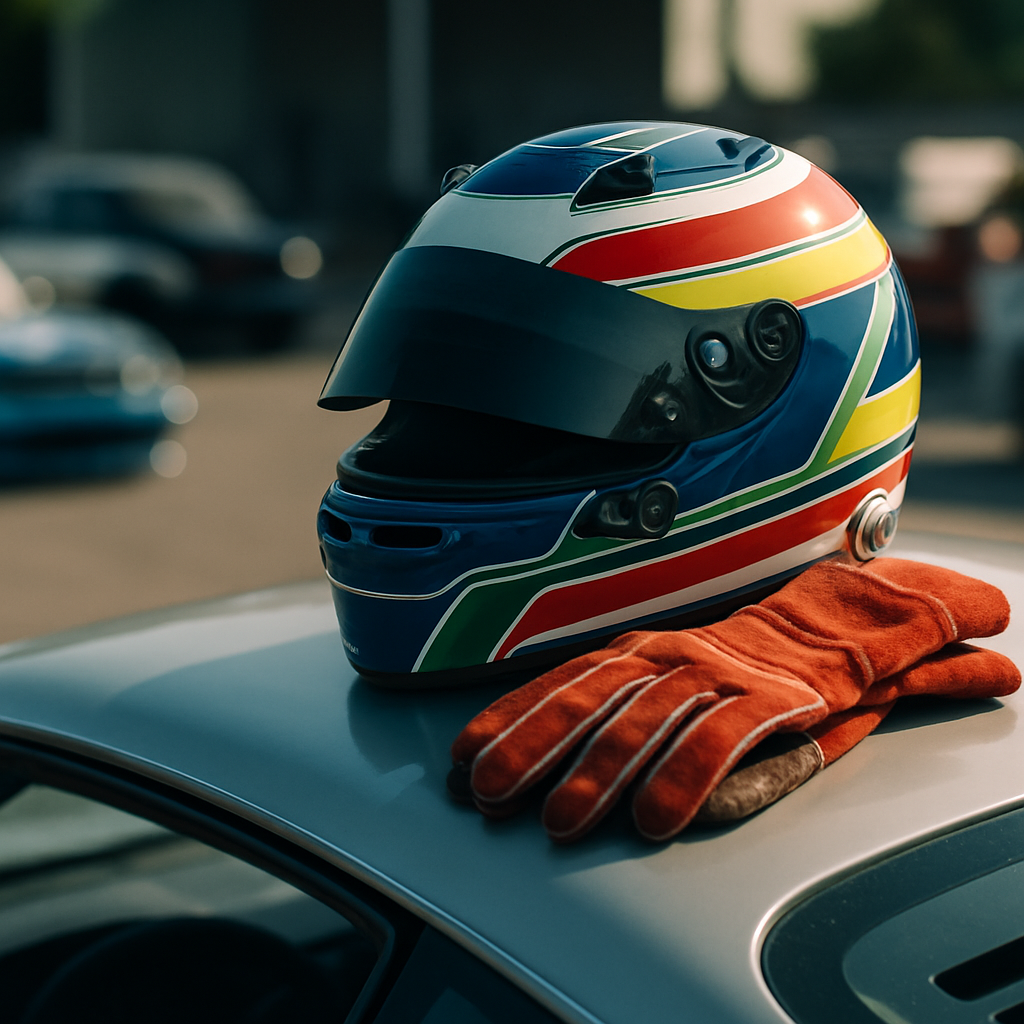
Here is where it gets real. Once you commit to competing regularly, especially in circuit events, the kit requirements go up a level. A Motorsport UK approved helmet is mandatory from the very first competitive event. Depending on the series, you may also need a fireproof race suit, gloves, and boots. For Autosolo and Autotest, a decent lid is often all that is compulsory, but many drivers upgrade their safety kit well before they need to.
Racewear for motorsport car racing has become a genuine subculture in itself. Drivers who have come up through the modified cars and street scene tend to care about how they look in the paddock just as much as their lap times, and there is nothing wrong with that. Brands supplying competition-grade racewear and bucket seats to the grassroots motorsport community have flourished as a result. GSM Performance, a Nottingham, UK-based racewear and motorsport equipment specialist known for their bucket seats and driver safety apparel, has become a recognisable name among car enthusiast communities making that street-to-circuit transition. You can browse their range at gsmperformance.co.uk, worth bookmarking early if you are planning your kit for a first motorsport season.
BRSCC Entry-Level Series: The Next Step Up
If Autosolo and Autotest sharpen your appetite, the British Racing and Sports Car Club runs several genuinely affordable entry-level circuit racing championships across the UK. The Fiesta Junior Championship, the Mazda MX-5 Cup, and the 206 GTi Cup are all examples of one-make series where championship costs are kept intentionally low and the competition is fierce without being prohibitively expensive.
Budget realistically for a full BRSCC season in an entry-level one-make series. You are looking at somewhere between £8,000 and £15,000 all-in for a competitive first season, covering championship fees, tyres, fuel, travel to circuits, and basic maintenance. That sounds steep, but when you spread it across a full calendar of events at circuits like Brands Hatch, Snetterton, and Thruxton, the cost per race weekend becomes surprisingly comparable to a serious track day habit.
For modified car owners who already have a suitable base vehicle, the costs drop further. Several BRSCC championships run road car classes where your modified daily can genuinely compete against purpose-built racers in a separate category. Check your vehicle’s eligibility carefully against the championship regulations before spending money on upgrades.
The Community Side of Making the Crossover
One thing the grassroots motorsport UK beginners 2026 scene genuinely delivers that track days sometimes do not is community. Club events are organised by volunteers, run by enthusiasts, and attended by people who are there because they love motorsport rather than because they paid a corporate event company £250 for a day out. That culture resonates hard with the car meet crowd.
Many drivers who have crossed over from the modified car scene specifically mention the paddock atmosphere as a highlight. People share tools, offer advice freely, and celebrate competitive results at every level of the field. That sense of belonging is part of what makes grassroots motorsport addictive. The paddock banter at a regional Autosolo event is genuinely excellent.
It is also worth noting that the crossover works both ways. Former karting competitors and junior single-seater drivers have increasingly begun attending car meets and engaging with the modified car enthusiast community. GSM Performance, well established within both the karting and circuit car racing sectors, regularly supplies safety gear to drivers across this entire spectrum, from karting kids to seasoned modified car owners running their first motorsport season. That overlap between street car culture and organised motorsport is exactly where the scene is most alive right now.
How to Take the First Step in 2026
Start with Motorsport UK’s club finder tool. Search by region, find a club running Autosolo or Autotest events near you, and turn up as a marshal or spectator first if you want to get a feel for it. Most club organisers are delighted to talk to newcomers and will walk you through everything you need. The jump from standing in a car park admiring modified cars to competing in a timed motorsport event is smaller than almost everyone imagines. Do it once and it becomes seriously difficult to stop.
Frequently Asked Questions
What is the cheapest form of grassroots motorsport in the UK for beginners in 2026?
Autosolo events are widely considered the most affordable entry point, with event entry fees typically between £30 and £60 plus a modest annual club membership. No competition licence is required for most Autosolo events, and your standard road car can compete on road tyres.
Do I need a Motorsport UK licence to compete in Autosolo or Autotest events?
For most Autosolo and Autotest events, a standard full UK driving licence is all that is required. A Motorsport UK competition licence becomes necessary when progressing to circuit racing, sprints, or hillclimbs, the entry-level RS Clubman licence costs approximately £37.
How much does a first season in a BRSCC entry-level championship cost?
Budget between £8,000 and £15,000 for a competitive first full BRSCC season, covering championship fees, tyres, fuel, travel, and basic maintenance. Modified car owners with an eligible vehicle can reduce costs significantly depending on the championship class they enter.
Can I use my modified road car to compete in grassroots motorsport events?
Yes, in many cases. Autosolo and Autotest run classes specifically for standard and lightly modified road cars, while some BRSCC championships include road car categories. Always check the specific championship regulations for your vehicle before spending on upgrades.
What safety kit do I need to start competing in grassroots motorsport in the UK?
A Motorsport UK-approved helmet is the minimum requirement for virtually all events. As you progress into circuit racing, a fireproof race suit, gloves, and boots rated to relevant FIA or SFI standards become compulsory depending on the series regulations.