
The debate has been running at car meets for years, but in 2026 it feels more relevant than ever. Vinyl wrap vs respray UK is now a genuine decision point for performance car owners, show car builders, and anyone who wants to change their colour without committing to a lifetime. I’ve spoken to enough body shop owners and enthusiasts to know that people are often shocked by what each option actually costs, and even more surprised by the knock-on effects for insurance, resale, and the MOT. So let’s cut through the noise.
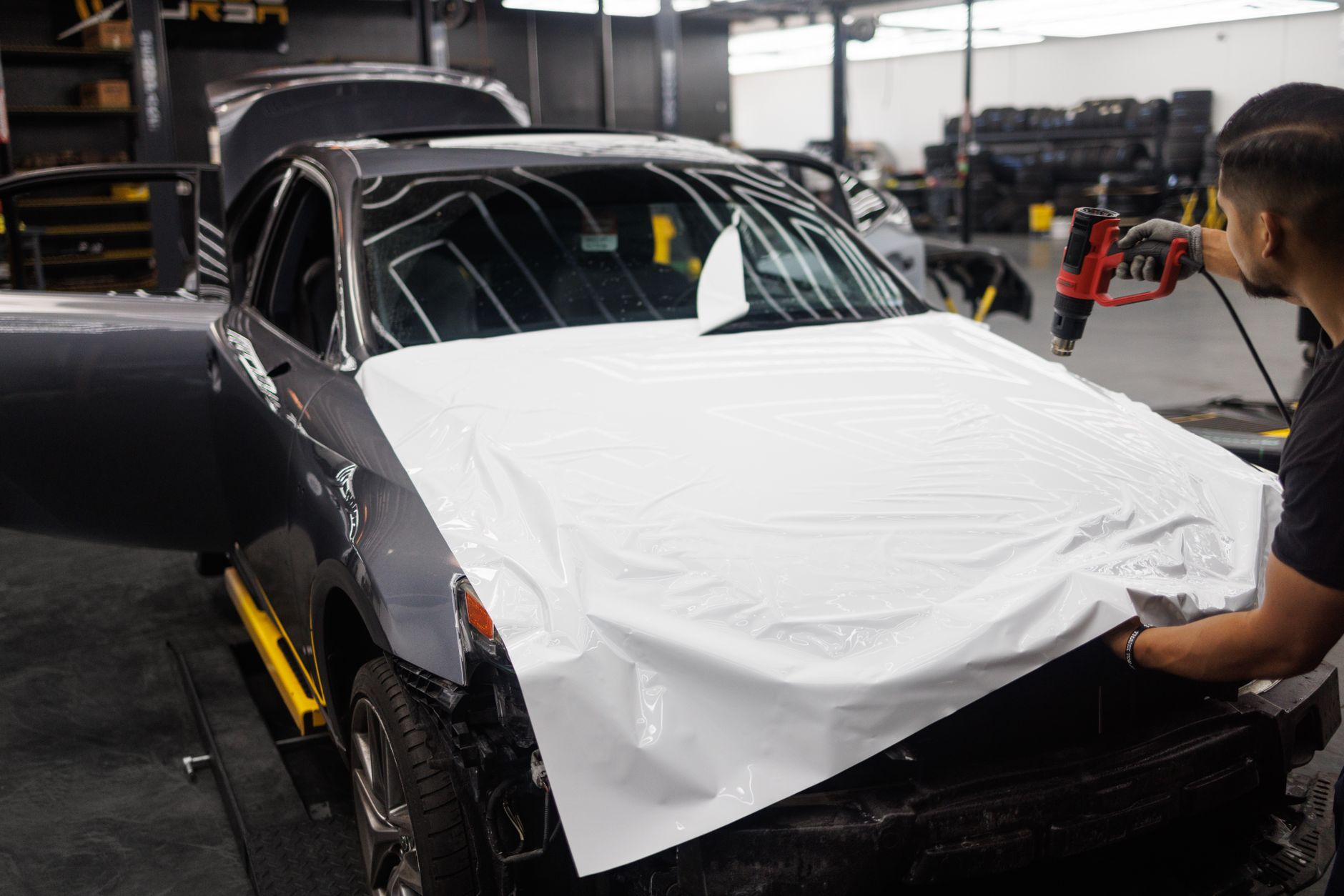
What a professional vinyl wrap actually costs in the UK right now
Prices vary wildly depending on vehicle size, film quality, and the complexity of the job. For a hot hatch like a Ford Fiesta ST or a Volkswagen Polo GTI, a full professional wrap from a reputable UK installer runs between £1,800 and £3,200 using a decent mid-range film such as Avery Dennison or 3M 1080 series. Go up to a saloon or a performance SUV and you’re looking at £3,500 to £5,500. Premium satin, colour-shift, or textured films push that higher still.
That sounds steep, but consider this: the same mid-range hatch professionally resprayed in a single solid colour at a quality bodyshop will set you back anywhere from £2,500 to £4,500. A full colour change with proper panel preparation, primer, base coat, and lacquer on a performance car like a Subaru Impreza or a Honda Civic Type R? Expect £5,000 to £9,000 if the work is done properly. I’ve seen people quote “bargain” respray figures of £800 or £1,000 and then wonder why the finish looked like orange peel under sunlight six months later.
Durability: how long does each option actually last?
A properly installed wrap from a quality film on a well-prepared surface should last five to seven years before the film begins to lift at edges or fade noticeably. Manufacturers like Avery and 3M back their products with five-year warranties when applied by certified installers. Paint, done correctly, can last the lifetime of the car. But “done correctly” is doing a lot of work in that sentence. A budget respray will degrade faster than a well-maintained wrap.
Wraps are vulnerable to prolonged exposure to strong solvents and high-pressure jet washing at close range. Paint is vulnerable to stone chips, bird lime, and UV fading if left without protection. Both need care. Neither is maintenance-free, and anyone telling you otherwise is selling something.
How vinyl wrap vs respray affects your UK insurance declaration
This is where it gets genuinely important and where a lot of people trip up. If you change the colour of your car, whether by wrap or full respray, you are legally required to tell the DVLA. Under the Vehicle Approval guidance on gov.uk, colour is a registered vehicle characteristic, and a change needs to be declared on your V5C logbook. Failing to do so is a separate issue from insurance, but both matter.
Your insurer also needs to know. A colour change is a modification, full stop. I’ve written before about how declaring car modifications to your UK insurer is already costing boy racers a fortune, and a colour change is firmly in that bracket. Some insurers treat a wrap differently from a respray because a wrap is reversible and the original colour is preserved underneath. Others treat them identically. You need to ask your insurer directly before you book the job, not after.
If you’re running an eye-catching colour-shift or chrome wrap and you declare it, some specialist performance car insurers will actually be neutral on it or factor it in without a huge premium hike, because they understand the show car scene. Standard high-street insurers? Less predictable. Get it in writing.
MOT implications for wrapped and resprayed cars
A vinyl wrap will not cause an MOT failure on its own, provided it doesn’t obstruct the driver’s vision (so wrapping the windscreen is obviously out), and the registration plates remain visible and correct. Wraps over lights are also a fail. MOT testers are increasingly alert to modifications on performance cars in 2026, so if your wrap is covering anything structural or obscuring lights or number plates, you’ll be pulled up on it.
A respray has almost no direct MOT implications unless the body prep work has been done so badly that panels are unfit for purpose, which would be an extreme case. The MOT is a roadworthiness test, not an aesthetics test. What matters is that the colour on your V5C is correct, because an inconsistency there can flag the vehicle as potentially ringed or cloned during a police stop or insurance check.
Resale value: which option protects your money better?
This is genuinely nuanced. A wrap protects the original paint underneath, which is a significant selling point. You can remove the wrap before sale and present the car in its factory colour with preserved paint. For a performance car or a show car where the original finish is desirable, that’s a real advantage. A Mitsubishi Evo buyer, for example, wants that Rally Red or Lancer Blue, not someone’s custom colour wrap badly removed. Resources like Mitzybitz.com cover the specifics of 4×4 and performance car ownership decisions well, and paint preservation comes up repeatedly in the context of maintaining a car’s residual value.
A quality full respray in an original or popular colour can actually add value to a tired car with peeling or faded paint. But a non-standard colour change via respray is permanent and can put off buyers. The wrap, being reversible, is the safer bet for resale if you want to experiment with colour.
Which one does the show car scene actually prefer?
From what I’ve seen at shows like Players Classic and Japfest, wraps have genuinely taken over in the custom and show car world. The ability to run a colour-shift film one season and pull it for something new the next is too good to ignore for cars built to turn heads. The finish quality from top-tier installers is now good enough that, at show car distance, you’d struggle to tell a premium wrap from a respray in anything other than direct sunlight at close range.
That said, the hardcore build crowd, especially those working on stripped-out track weapons or historically significant performance cars, tends to stick with paint. There’s a reason. A track car that’s been properly built and documented with period-correct or manufacturer specification paint tells a better story. It’s also worth noting that if you’re running a car on track days, the abrasion resistance of a quality lacquer still edges out most vinyl films on stone chip resistance at sustained speed.
If you’re deep into the wider modified car scene and thinking about the full picture of what your build choices say about your car, it’s worth reading about how aftermarket aerodynamic modifications sit within UK law, because the decisions you make aesthetically and structurally all feed into the same insurance and road legality picture.
The bottom line on vinyl wrap vs respray
Wraps win on flexibility, paint preservation, and reversibility. A quality respray wins on longevity and perception of “proper” work for certain audiences. Both need to be declared to the DVLA and your insurer. Neither is immune from MOT scrutiny if done carelessly. The costs are closer than most people expect, and the cheapest version of either option is almost always a false economy. Pick based on how long you’re keeping the car, whether you plan to return it to original, and what kind of audience you’re building it for.